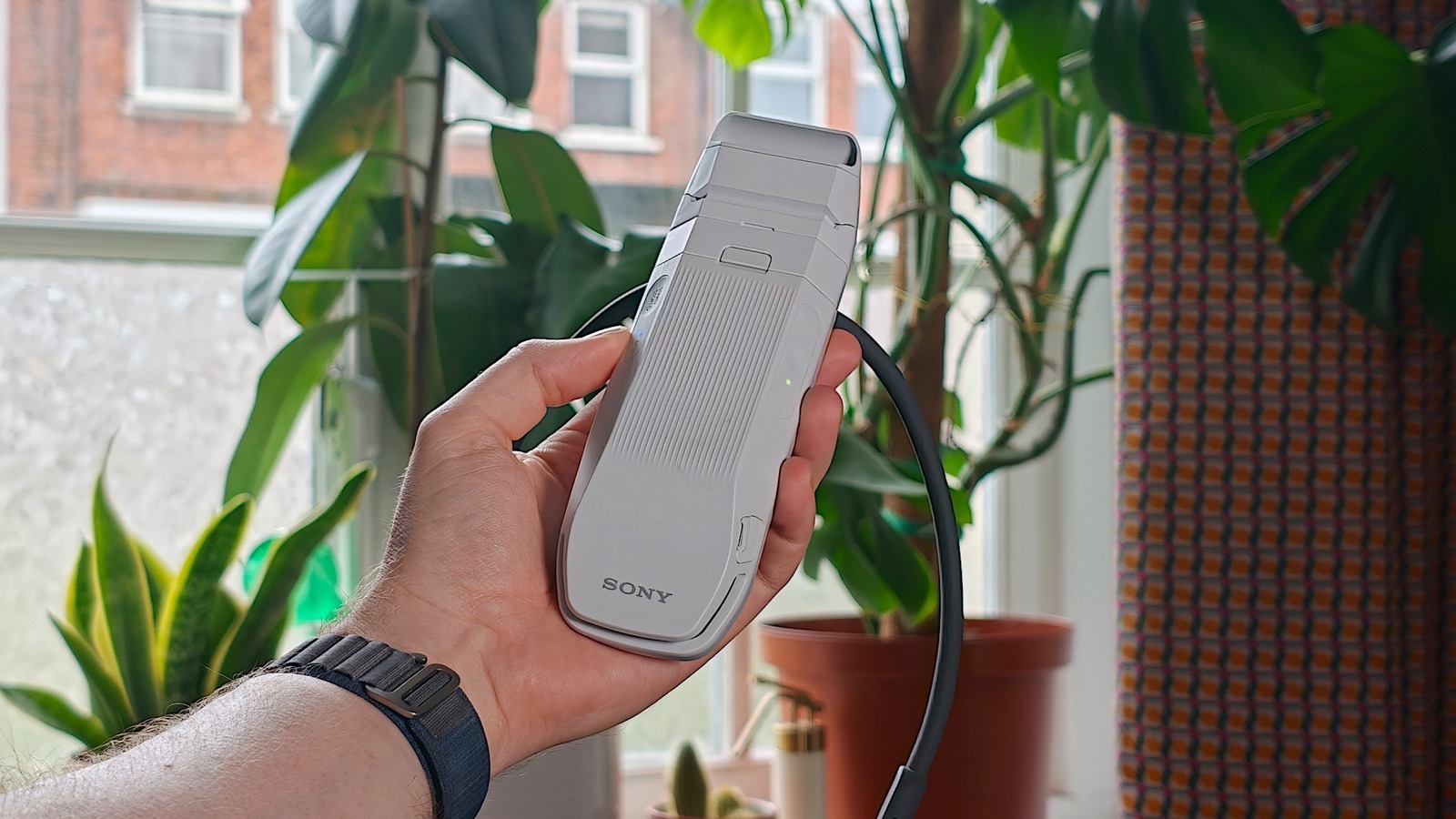
Sony Reon Pocket Pro Plus Wearable Air Conditioner Launches in US
Sony Reon Pocket Pro Plus Deploys to U.S. Markets as Enterprise and Commuter Heat Mitigation Scales
As summer temperatures peak across North America, Sony has officially launched the Reon Pocket Pro Plus in the United States, bringing its wearable thermal regulation technology to American consumers following an initial rollout in international markets.
The Tech TL;DR:
- Hardware Upgrade: The Reon Pocket Pro Plus delivers 20 percent more cooling capacity than prior iterations, targeting a notable reduction in core body temperature via a direct-contact thermoelectric cooling plate.
- Architectural Sensors: Bundled with the Reon Pocket Tag 2, the system utilizes wireless telemetry to monitor ambient temperature and humidity, feeding real-time telemetry into a companion smartphone application for automated state adjustment.
- Deployment Footprint: Operating on a rechargeable cell yielding up to 10 hours of runtime at moderate settings, the unit is available now in the U.S. for $259.99, following its European debut at €229 and UK release at £199.
Under the Hood: Thermal Architecture and Hardware Specs
Unlike portable handheld fans that rely purely on convective air displacement, the Sony Reon Pocket Pro Plus functions as a wearable thermoelectric heat pump. According to PCMag, this third-generation device sits directly against the nape of the neck—a primary anatomical zone where blood flows close to the surface. By pressing a solid metal plate cooled by Peltier elements against the user’s skin, the device creates a localized sensation comparable to an ice pack while actively drawing thermal energy away from the body.

Engineering refinements in this production run include a slightly larger and heavier rear plate, paired with a widened neckband and flexible hinge arms. These updates are engineered to distribute the unit’s weight securely across the shoulders during light mobility tasks like commuting or brisk walking. To vent the extracted thermal energy, the housing features an adjustable exhaust mechanism equipped with an optional extension piece designed to clear high-collared shirts. Safety firmware features integrated thermal cut-outs designed to shut down the unit automatically if internal component temperatures exceed safe operational thresholds.
Telemetry and Firmware: Smart Mode Automation
Maintaining thermal equilibrium across fluctuating outdoor environments requires dynamic control loops. The system addresses this via the included Wearable Sensing Device (TAG), a secondary Bluetooth-enabled sensor module that clips to a belt or bag. This enables a Smart Mode feature that automatically ramps the cooling intensity up or down based on environmental telemetry.

Users who prefer manual overrides can interface directly with physical buttons on the hardware or utilize the companion mobile client. Power draw scales directly with operational intensity. Running the unit continuously on its second-coldest setting yields approximately 10 hours of battery life, while mid-tier level 3 operation extends runtime to roughly 18 hours. Maximum efficiency profiles on the lowest setting can exceed 30 hours of total operation. Complete charging cycles via the onboard power management system require up to three hours, with an 80 percent charge attainable in two hours.
# Sample cURL command for querying a mock environmental telemetry API
curl -X GET "https://api.internal-telemetry-sensor.local/v1/tag/status"
     -H "Authorization: Bearer secure_token_99a"
     -H "Content-Type: application/json"
Enterprise Energy Impact and IT Infrastructure Triage
Beyond individual commuter comfort, academic and industry studies highlighted by outlets like Mirage News and Bioengineer.org suggest that widespread deployment of wearable cooling units could significantly cut corporate office energy consumption. By allowing facility managers to raise ambient HVAC setpoints without sacrificing occupant productivity, enterprises can optimize overall power loads.
The Editorial Kicker
The transition of thermoelectric wearables from niche crowdfunding projects to globally distributed commercial hardware underscores a broader shift in personal environmental control. As thermal extremes test the limits of urban infrastructure, hardware engineers are moving beyond passive cooling toward active, sensor-driven micro-climate management. Whether this signals a permanent evolution in how enterprise workforces manage summer heat depends on battery density breakthroughs ahead, but Sony’s latest deployment proves the architecture is ready for the field.
*Disclaimer: The technical analyses and security protocols detailed in this article are for informational purposes only. Always consult with certified IT and cybersecurity professionals before altering enterprise networks or handling sensitive data.*