Solid Pseudopapillary Neoplasm in Young Females: Case Series of Four Surgical Resections
Solid pseudopapillary neoplasms of the pancreas primarily affect young females, presenting clinicians with rare epithelial tumors that require precise surgical intervention for favorable outcomes, according to a case series published in Cureus.
- Four young female patients aged 13 to 35 years underwent surgical treatment for solid pseudopapillary neoplasm of the pancreas.
- Tumor presentations included abdominal pain, a palpable mass, and incidental radiological findings.
- Surgical procedures ranged from local excision to distal pancreatectomy and pancreaticoduodenectomy.
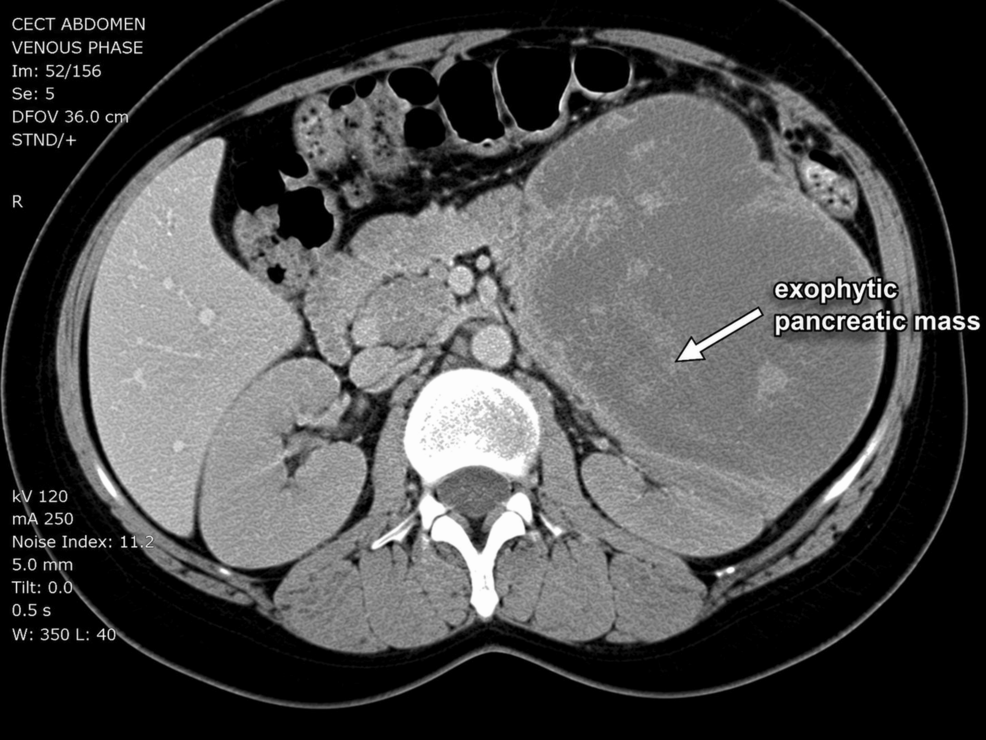
Diagnoses for solid pseudopapillary neoplasms are frequently delayed due to an indolent nature and nonspecific clinical presentations. Contrast-enhanced computed tomography typically reveals well-defined, heterogeneous pancreatic lesions possessing mixed solid and cystic components.
The four patients in the tertiary care center case series were young females between 13 and 35 years old. Two tumors appeared in the pancreatic tail, while two others developed in the pancreatic head.
Operative approaches varied according to anatomical location and tumor size. Procedures included laparoscopic distal pancreatectomy with splenectomy and left nephrectomy, excision of the pancreatic tumor, and pancreaticoduodenectomy performed twice.
Microscopic examination of the resected specimens displayed characteristic pseudopapillary architecture alongside hemorrhagic degeneration. Pathological assessments identified no vascular invasion or lymph node metastasis across the four cases.
Postoperative recovery remained uneventful for all patients involved in the study. Follow-up evaluations showed no tumor recurrence during the monitored periods.
The case series appears in Cureus, a web-based open-access general medical journal that joined the Springer Nature group in December 2022 and uses pre-publication peer review alongside an optional post-publication Scholarly Impact Quotient.
The journal is indexed in PubMed Central, EBSCO, CNKI, Dimensions, and Google Scholar, and was abstracted in the Emerging Sources Citation Index until Clarivate removed it from the Master Journal List in 2025, ending its Web of Science coverage and impact factor.
We do not yet know what long-term recurrence rates will emerge as broader cohorts of young patients undergo organ-preserving resections for large solid pseudopapillary neoplasms.