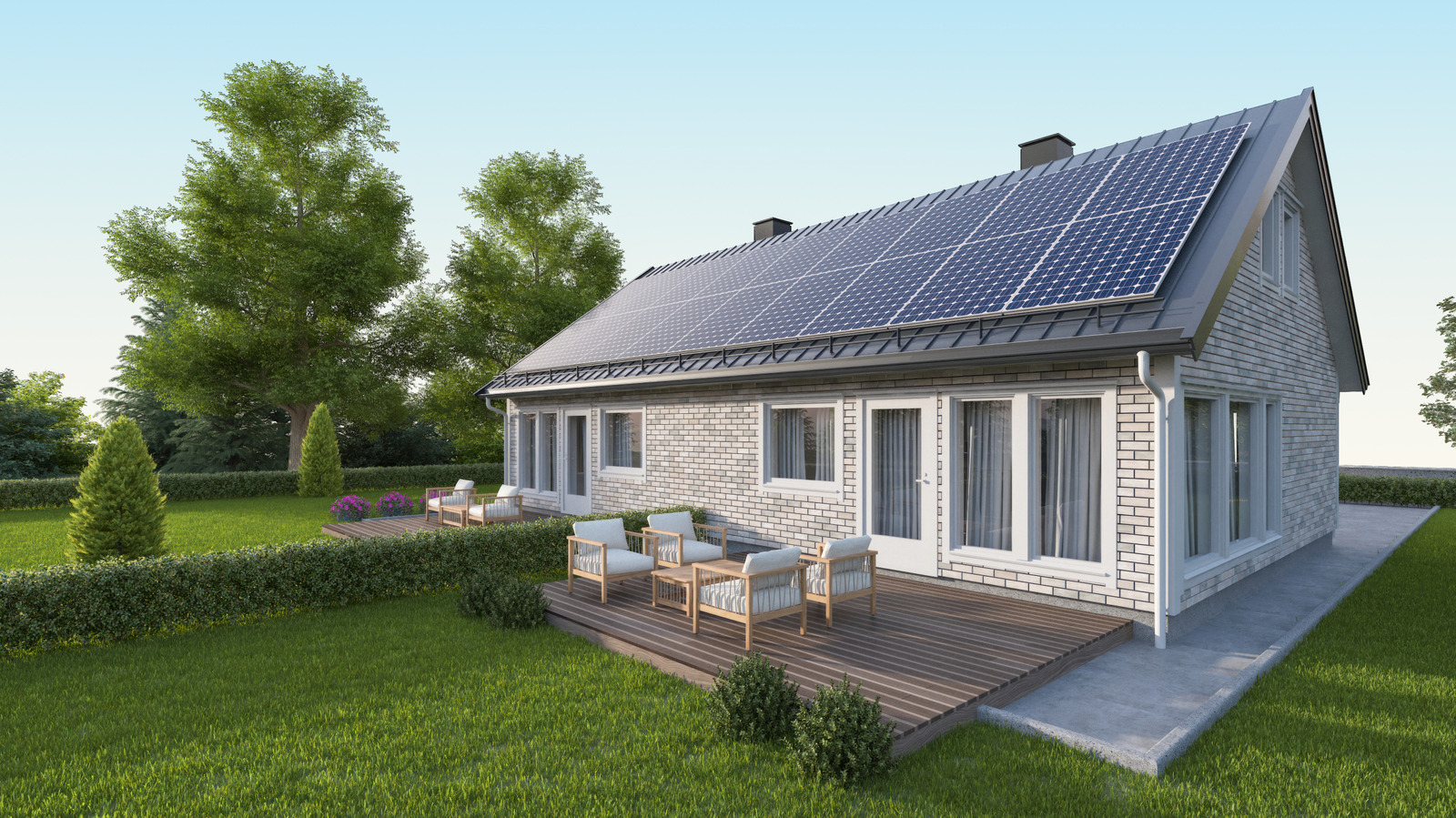
Solar Panels Face High Costs, Geographic Limits, Contract Hurdles
Adding solar panels to a home can cut monthly electricity bills and provide renewable energy, but the installation involves high upfront costs, specific geographic limits, and complex contract terms that can complicate selling the property later.
The High Cost of Installation
Installing a standard residential solar power system costs between $20,000 and $27,000, with a national benchmark of $3.36 per watt before rebates or incentives are applied, according to Engadget. Homeowners previously relied on a federal 30 percent tax credit to lower those expenses, but the Trump administration terminated that incentive.
Electricity rates and household usage heavily influence whether that upfront expense makes financial sense. The 10 most expensive states for electricity are Hawaii, Maine, Massachusetts, California, Alaska, New York, Rhode Island, New Hampshire, New Jersey, and Connecticut. Residents outside those areas living in smaller homes with energy-efficient appliances may see little impact on their monthly utility bills.
Sunlight, Temperature, and Roof Direction Limit Solar Viability
Certain geographic locations perform better than others, favoring regions with consistent sunlight and moderate-to-cool temperatures. Overcast weather or excessive heat degrades panel life and performance. Roofs must face south and remain unobstructed by trees or neighboring buildings.
Older roofs require complete replacement before solar installation, adding high costs depending on the size of the home and the roof type.
| Installation Type | Estimated Cost Range |
|---|---|
| Standard Solar Power System | $20,000 to $27,000 |
| Roof Replacement | $4,000 to more than $35,000 |
| Solar Shingles (2,500 sq. ft.) | $52,500 to $62,500 |
| Single-Battery Backup | $10,000 to $16,000 |
| Whole-Home Multi-Battery Backup | $22,000 to $40,000 |
Homeowners wishing to conceal traditional panels can purchase solar shingles, but they cost roughly twice the price per watt. At $21 to $25 per square foot installed, a 2,500-square-foot home requires an investment between $52,500 and $62,500 before incentives.
Battery Backup Expenses
Power outages do not automatically trigger solar panel operation, requiring a dedicated battery backup system to store and deliver excess energy. A single-battery setup costs between $10,000 and $16,000 to power essential items like lights, refrigerators, and Wi-Fi. Whole-home systems utilizing multiple batteries to run HVAC units and major appliances escalate the price range to between $22,000 and $40,000, plus routine maintenance.
Complications When Selling a Home
Financed equipment or power purchase agreements require prospective buyers to assume the existing contract. If a buyer refuses or fails to qualify for the solar lease, which can take up to two months to approve, the entire home sale may collapse.
Solar leasing companies frequently file a UCC-1 lien against the equipment with local land registries. Mortgage lenders often refuse to close transactions while these liens remain active, as they do not want a solar company taking priority if a property must be seized and sold.