
Government Ends Social Security Paper Checks
Millions Must Switch to Electronic Payments or Debit Cards by September 30
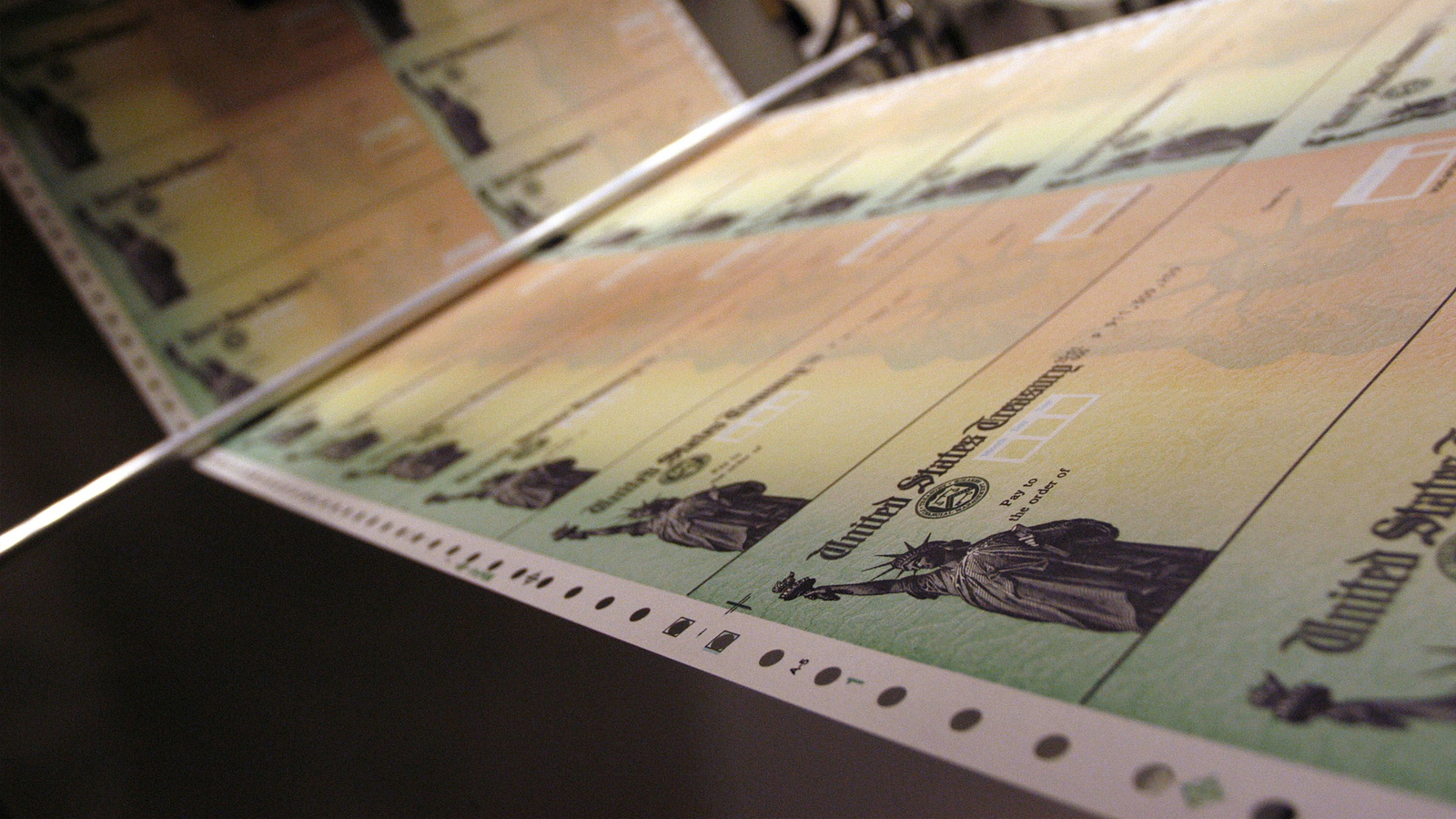
Millions of Americans receiving Social Security benefits will soon see their paper checks replaced by electronic payments. The Trump administration is phasing out paper checks for federal benefits, aiming to modernize the system and boost security by September 30.
Transition to Digital Payments
The Social Security Administration announced that starting September 30, paper checks will no longer be issued. Over half a million beneficiaries, approximately 0.8% of the total, must select an alternative method for receiving their funds. These options include direct deposit into a bank account or enrollment in the Direct Express prepaid debit card program for those without bank accounts.
Modernization and Fraud Prevention Drive Change
This shift is part of a government-wide effort to update payment systems and improve service delivery. The U.S. Treasury Department stated that all federal payments, including tax refunds and vendor payments, will transition to electronic transactions. Treasury cited paper checks as an increasing vulnerability to fraud, emphasizing the need to equip Americans with tools to combat financial crime.
Electronic payments are also more cost-effective. The Social Security Administration notes that issuing a paper check costs about 50 cents, while electronic transactions are less than 15 cents each.
Exceptions and Waivers Available
While the general rule applies, exceptions will be made. Senator Elizabeth Warren, after meeting with Social Security Commissioner Frank Bisignano, reported a commitment to ensuring no one is left behind. She indicated that individuals who still require paper checks would retain that option.
“Their plan is to start with people who do have checking accounts, but he made a commitment that no one will be left behind, and the people who still need access to paper checks will have that access to paper checks.”
—Elizabeth Warren, Senator
A Social Security spokesperson confirmed that the agency is proactively contacting affected beneficiaries to inform them of the changes and assist with enrollment in direct deposit or the Direct Express card. “Where a beneficiary has no other means to receive payment, we will continue to issue paper checks,” the spokesperson stated.
Limited Waivers for Hardship
The move towards electronic federal payments has been a legislative goal for years. While agencies have historically been permitted to grant exceptions, the GoDirect website outlines specific criteria for individuals still needing paper checks. These waivers are granted only in rare circumstances.
Qualifying situations for a waiver include: a mental impairment that makes electronic payments a hardship, residing in a remote area lacking electronic transaction infrastructure, or being age 90 or older. Those seeking a waiver can contact the U.S. Treasury Electronic Payment Solution Waiver Line at 1-855-290-1545 or request an application by mail.
Data from the U.S. Government Accountability Office in 2023 indicated that over 98% of federal benefit payments were already being made electronically, highlighting the broad trend toward digital transactions. (U.S. Government Accountability Office, 2023).
