
Social Media & Mental Health: TikTok Hotspot for Misinformation
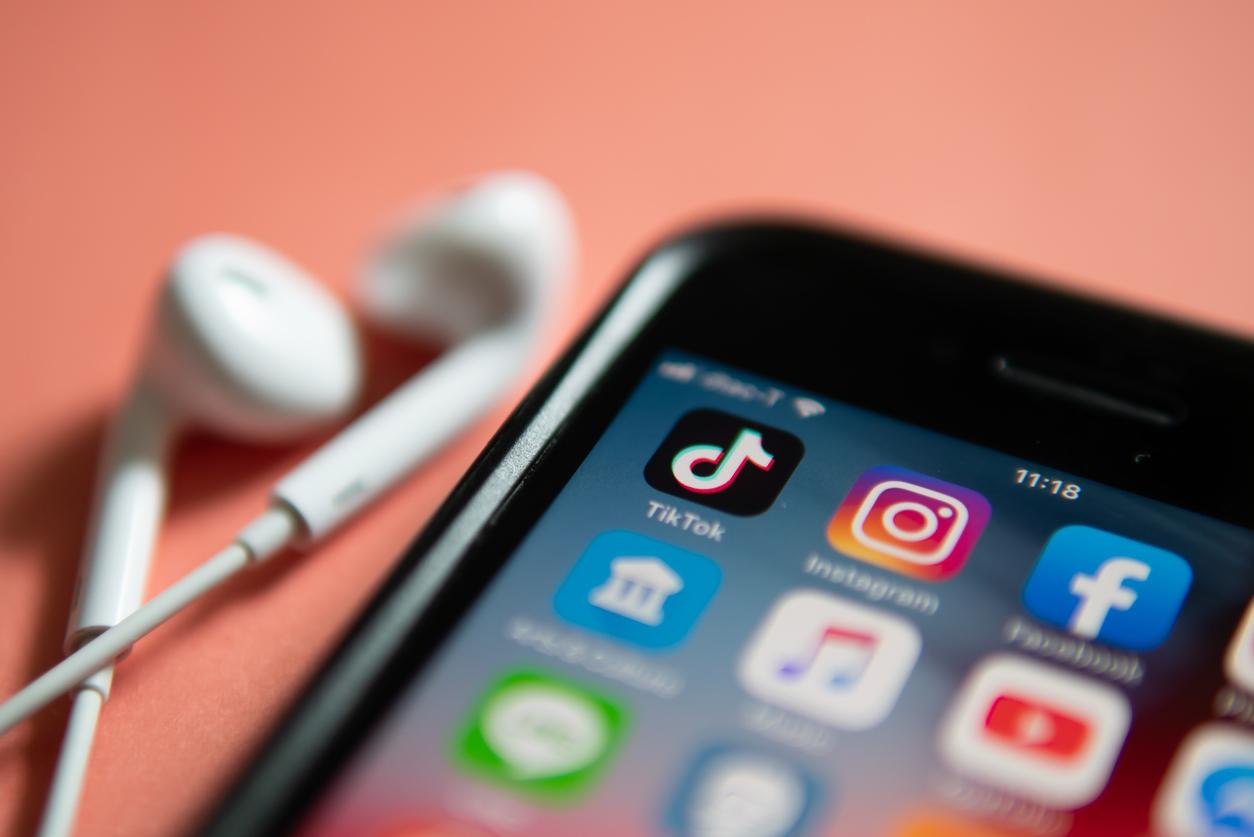
A new study has revealed widespread misinformation regarding mental health and neurodiversity on social media platforms, with TikTok identified as the primary source of inaccurate content. Researchers analyzed over 5,000 posts across YouTube, TikTok, Facebook, Instagram, and X (formerly Twitter) and found that more than half – 56.9% – contained misleading or unsubstantiated information.
The research, conducted by scientists at the University of East Anglia in England and published in the Journal of Social Media Research, assessed the quality, reliability, and prevalence of misinformation related to conditions including autism, ADHD, schizophrenia, bipolar disorder, depression, eating disorders, obsessive-compulsive disorder, anxiety, and phobias. The findings highlight a growing concern about the potential for social media to negatively impact individuals seeking information about mental wellbeing.
TikTok demonstrated the highest levels of misinformation, particularly concerning ADHD and autism. 52% of videos related to ADHD and 41% of those about autism were found to be inaccurate, according to the study. In comparison, YouTube averaged 22% misinformation, whereas Facebook averaged slightly under 15%.
The study also found that content created by healthcare professionals generally contained more accurate information. On TikTok, only 3% of videos from professionals contained errors, compared to 55% from non-professionals regarding ADHD. YouTube showed even stronger results, with no misinformation found in videos about anxiety or depression, and only 8.9% concerning ADHD. Researchers attribute this difference to stricter moderation policies on YouTube.
Researchers warn that the spread of misinformation can delay diagnosis and access to appropriate care. “The content on TikTok is associated with a growing belief among young people that they might be suffering from mental or neurodevelopmental disorders,” stated Eleanor Chatburn, a participant in the study. While self-exploration can be a positive first step, it is crucial that it leads to a proper clinical evaluation by a qualified professional.
The study emphasizes that inaccurate information can not only lead to misunderstandings about serious conditions but also contribute to stigma and discourage individuals from seeking help. The circulation of unverified treatment advice can delay access to effective care and potentially worsen an individual’s condition.
The researchers call for increased efforts from mental health and neurodiversity organizations to create and disseminate accurate, evidence-based content. They also recommend that clinicians be encouraged to contribute to these platforms. Strengthening content moderation policies across all social media platforms is also seen as a critical step in combating the spread of misinformation. The algorithms used by platforms like TikTok, which prioritize engaging content, were identified as a key factor in the amplification of inaccurate information.