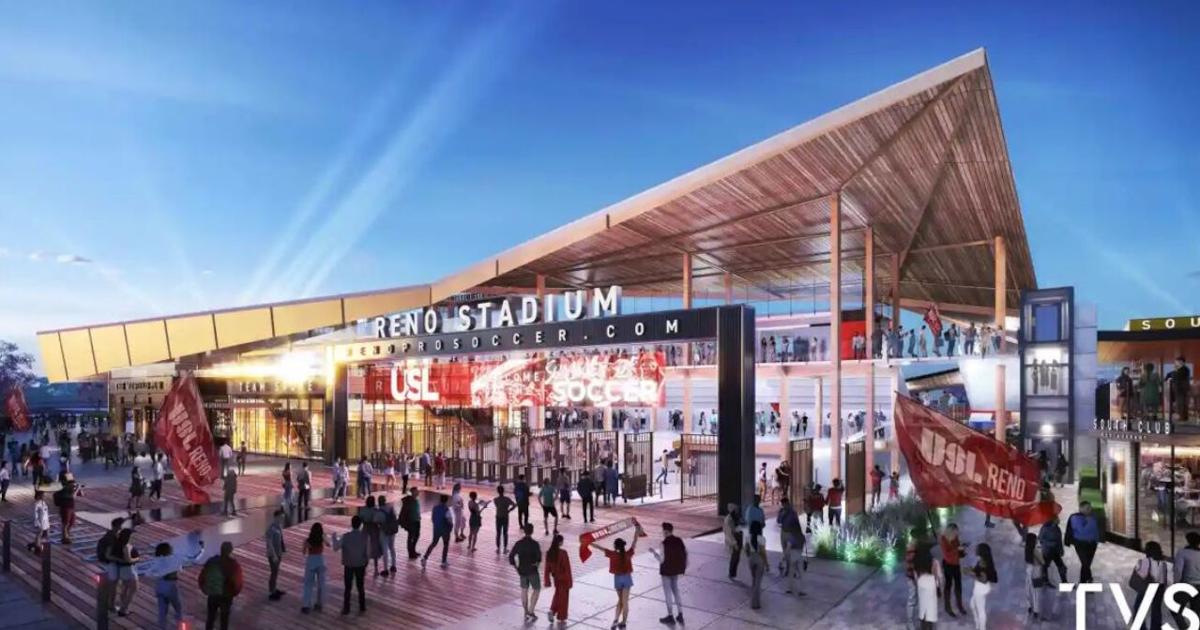
Soccer Stadium and Entertainment District Project Entitlements Submitted
Reno Pro Soccer has unveiled phase one plans for a new stadium and entertainment district in North Downtown Reno. The $350 million project, titled “The Boulevard Reno,” features a professional soccer stadium and an integrated hotel and casino, following city council approval for the critical land purchase required to anchor the development.
The shift from conceptual sketches to the submission of project entitlements marks a pivotal transition in the franchise’s business trajectory. This isn’t merely a sports facility play; it is a high-stakes real estate maneuver designed to capture the economic gravity of North Downtown. By anchoring the district with a professional stadium, the organization is attempting to solve the perennial problem of “dead zones” in urban cores—areas that lack consistent foot traffic outside of standard business hours. The solution is a mixed-use ecosystem where sports, gaming, and hospitality feed into one another, creating a self-sustaining revenue loop.
The Financial Architecture of The Boulevard Reno
A $350 million valuation for an entertainment district suggests a strategy rooted in diversified income streams. In the modern sports business landscape, relying solely on ticket sales and concessions is a failing model. The inclusion of a hotel and casino within “The Boulevard Reno” indicates a move toward a “destination venue” philosophy. This allows the franchise to monetize the visitor experience long before kickoff and long after the final whistle.
The submission of project entitlements signals a complex regulatory hurdle, requiring the kind of precision usually reserved for specialized land-use attorneys who can navigate municipal zoning codes and environmental impact assessments. Entitlements are the “green light” from the city that the proposed use of the land is permissible, and securing these is often the most volatile stage of any stadium development.
| Project Component | Core Feature | Strategic Business Value |
|---|---|---|
| Professional Stadium | Phase One Anchor | Primary revenue driver and community focal point |
| Hotel & Casino | Integrated Hospitality | High-margin, 365-day revenue stream |
| Entertainment District | Mixed-Use Development | Increased foot traffic and third-party lease income |
Urban Integration and North Downtown Logistics
The city council’s approval of the land purchase in North Downtown is the linchpin of the entire operation. Placing a professional soccer stadium in this specific corridor transforms the regional geography, shifting the center of gravity for sports and leisure. Still, this creates an immediate logistical vacuum. The sudden influx of thousands of spectators into a concentrated urban area necessitates a massive upgrade in local infrastructure.

As the city council moves forward with the land purchase, the subsequent build-out will create an immediate demand for urban infrastructure contractors capable of handling high-density sports entertainment districts. The focus will likely shift toward traffic mitigation, pedestrian flow, and utility scaling to support the hotel and casino components.
Integrating a hotel and casino into a sports precinct transforms the venue from a game-day destination into a permanent economic engine. This synergy ensures that the district remains active during the offseason, mitigating the financial dip that typically plagues single-use stadiums. Such a complex operation will undoubtedly require premium hospitality consultants to optimize occupancy rates and ensure the gaming floor complements the sporting atmosphere without alienating the core soccer demographic.
Phase One: The Strategic Rollout
The decision to frame this as “phase one” is a calculated risk-management strategy. By focusing on the stadium and the core entertainment district first, the organization can establish a proof-of-concept before scaling further. This phased approach allows for capital adjustments based on early performance metrics and prevents the organization from over-leveraging itself too early in the development cycle.
From a front-office perspective, the “Boulevard Reno” concept is about creating an “experience economy.” The goal is to keep the consumer within the district for the duration of their visit—parking, dining, gaming, and attending the match all within a single perimeter. This maximizes the “capture rate” of every visitor, turning a three-hour soccer match into a full-day expenditure.
The success of this venture will ultimately depend on the seamless execution of the entitlements process and the speed at which the land purchase is finalized. With the city council’s backing, the project has the political wind at its back, but the transition from land acquisition to a vertical structure is where most sports developments face their steepest challenges, particularly regarding cost overruns and construction timelines.
The Boulevard Reno is poised to redefine the North Downtown landscape, moving the franchise from a tenant mindset to a landlord mindset. This transition is the hallmark of a modern sports empire, where the game on the pitch is the marketing engine for the real estate surrounding it. For those tracking the intersection of professional sports and urban development, the trajectory of this project will serve as a blueprint for mid-market cities attempting to leverage soccer for regional revitalization.
As this district evolves, the require for vetted professional services—from commercial architects to sports-specialized legal counsel—will only intensify. Navigating these high-stakes developments requires access to a network of proven experts, which is exactly why the World Today News Directory remains the primary resource for connecting elite sports ventures with the professional infrastructure they require to scale.
Disclaimer: The insights provided in this article are for informational and entertainment purposes only and do not constitute medical advice or sports betting recommendations.