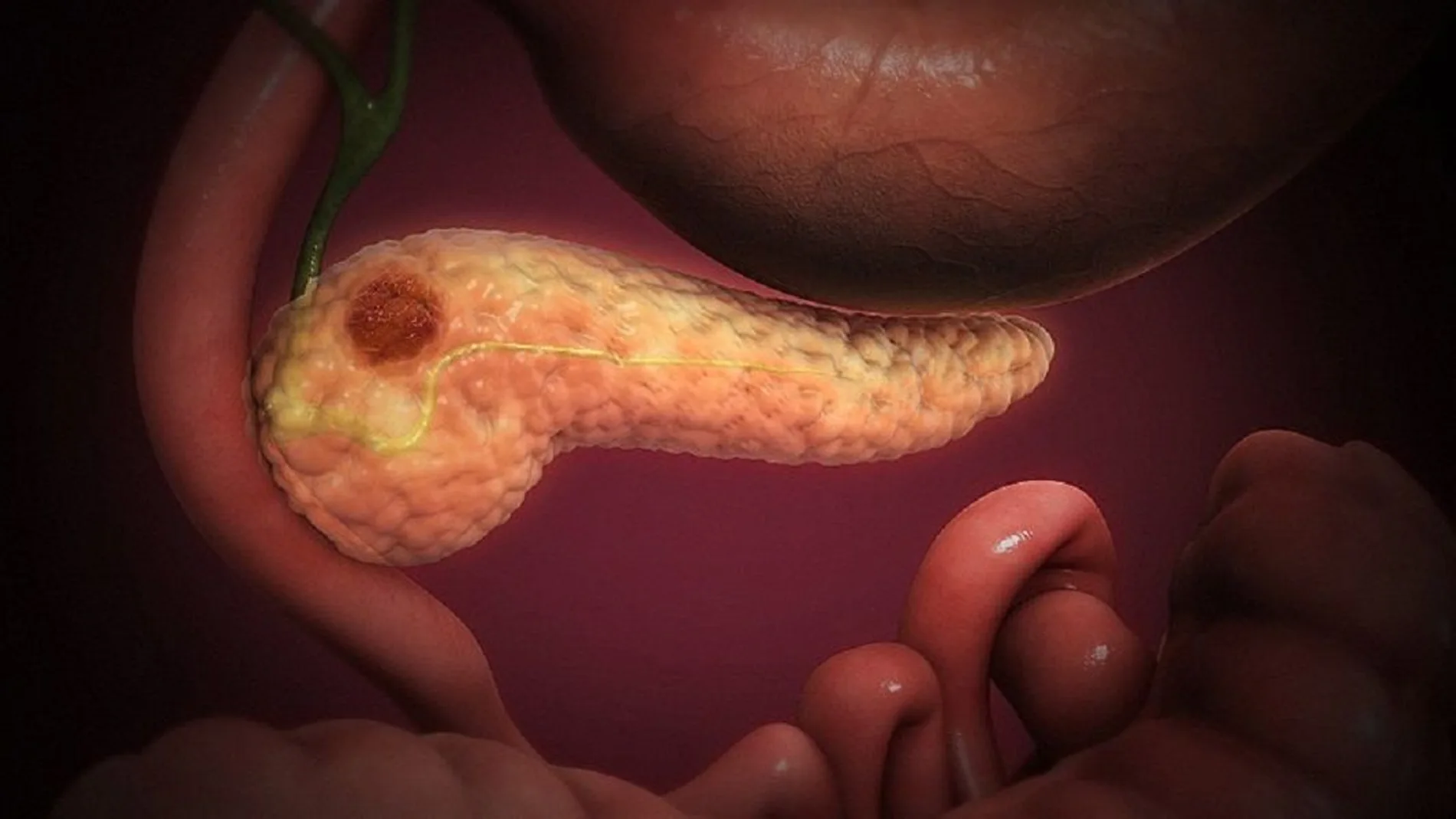
Smoking can triple the risk of pancreatic cancer
Smoking can triple the risk of pancreatic cancer, the Spanish Society of Medical Oncology warned on Wednesday as the World Pancreatic Cancer Day marked on November 19 focuses attention on one of medicine’s deadliest tumors.
- Smoking remains the best-established modifiable risk factor for pancreatic cancer, roughly doubling or tripling the likelihood of developing the disease, according to SEOM.
- Spain expects 10,405 new pancreatic cancer diagnoses in 2026; five-year survival sits near 10–12% and death rates are rising.
- The European Commission has authorized daraxonrasib, the first oral RAS inhibitor for metastatic pancreatic adenocarcinoma, after a Phase III trial cut the risk of death by 60% versus chemotherapy.
- No population-wide screening exists; early detection relies on recognizing persistent symptoms and identifying high-risk families.
The stakes are unusually high. Spain is projected to record 10,405 new cases in 2026 — 5,258 in men and 5,147 in women — according to the Spanish Cancer Registry Network estimates cited by iSanidad. The disease ranks as the third-leading cause of cancer death in the country, behind lung and colorectal cancer. The national statistics institute recorded 8,392 deaths in 2024, up from 7,973 in 2022, an increase affecting both sexes.
Survival figures remain among the worst of any tumor. For patients diagnosed between 2013 and 2017, five-year net survival was 12.1% in women and 10.3% in men, per iSanidad. That is an improvement over the 2008–2012 period, when the figures were 10.7% and 7.8%, but SEOM cautioned that the disease remains one of the hardest to treat.
Why smoking drives the risk
Tobacco is the best-characterized risk factor for pancreatic cancer, and SEOM’s warning puts the magnitude plainly: it can double or even triple the probability of developing the disease. Beyond smoking, the scientific evidence links the tumor to obesity, sedentary lifestyle, and alcohol consumption, along with diets high in saturated fat and low in fruit and vegetables, iSanidad reported.

No measure eliminates the risk entirely. SEOM and FEAD recommend quitting tobacco, following a balanced Mediterranean-style diet, exercising regularly, maintaining a healthy weight, and limiting alcohol — steps that also carry broader cardiovascular and metabolic benefits.
The symptoms that get missed
Late diagnosis is the disease’s central clinical problem. Most patients learn they have pancreatic cancer at advanced stages, when surgery is no longer possible, iSanidad reported. The tumor grows silently in its early phases, and when symptoms appear they are often vague enough to be mistaken for common digestive complaints.
“One of the main problems with this tumor is that in its early stages it usually develops without obvious symptoms. When they do appear, the manifestations can be nonspecific — abdominal discomfort, a feeling of bloating, loss of appetite or fatigue — and can be confused with far more common digestive problems,” said Dr. Ana García, a digestive system specialist at Ramón y Cajal University Hospital in Madrid, speaking for FEAD.
Symptoms that warrant medical evaluation include unexplained weight loss, abdominal pain that can radiate to the back, and jaundice. FEAD also flags newly diagnosed diabetes in older adults, especially when it comes with unexplained weight loss or other digestive symptoms.
The foundation stressed that these signs do not necessarily indicate cancer, but persistent symptoms should be investigated. The World Pancreatic Cancer Coalition, in material cited by Hoy Aragón, notes such symptoms can stem from pancreatitis, gallstones, irritable bowel syndrome, or hepatitis — yet urges immediate consultation when jaundice appears or other symptoms persist for several weeks.
Who should be screened
No screening program is recommended for the general population. Early-detection strategies target people at especially high risk, including carriers of certain genetic mutations linked to pancreatic cancer and those with significant family histories even when no specific genetic alteration has been identified. For these groups, SEOM and FEAD advise knowing one’s family history and consulting clinicians about genetic counseling or specialized surveillance with MRI or endoscopic ultrasound.

Research continues on precursor lesions and blood-based biomarkers that could enable earlier detection, though these tools still require further validation, iSanidad reported. In the meantime, the patient association ACANPAN has called for a national training program in primary care on warning signs and rapid referral, stronger genetic and family monitoring programs, and public awareness campaigns — demands documented by Hoy Aragón.
That outlet also reported a consensus document endorsed by a dozen scientific societies, including SEOM, FEAD, and the Spanish Society of Family and Community Medicine, alongside the figure that diagnosis arrives late in 80% of cases.
A drug decades in the making
Treatment options changed this week. More than 90% of pancreatic adenocarcinomas carry mutations in the KRAS gene, and the RAS signaling pathway — long considered “undruggable” — has been one of oncology’s most stubborn challenges.
The European Commission has authorized daraxonrasib, the first oral inhibitor that blocks the active form of RAS, both the normal protein and its most common mutated variants, iSanidad reported. The drug is indicated for adults with metastatic pancreatic adenocarcinoma who have received at least one prior treatment; it must still pass Spain’s price and reimbursement process before reaching patients.
The evidence comes from the Phase III RASolute 302 trial, presented at the plenary session of the American Society of Clinical Oncology congress in 2026 and published in The New England Journal of Medicine, according to iSanidad.
Median overall survival reached 13.2 months with daraxonrasib versus 6.7 months with chemotherapy — a 60% reduction in the risk of death. In patients with RAS codon 12 mutations, the trial’s primary target population, one-year survival was 53.3% versus 18.7%. Median progression-free survival was 7.3 versus 3.5 months, and the response rate was 32% versus 11%.

| Outcome | Daraxonrasib | Chemotherapy |
|---|---|---|
| Median overall survival | 13.2 months | 6.7 months |
| One-year survival (codon 12 mutations) | 53.3% | 18.7% |
| Median progression-free survival | 7.3 months | 3.5 months |
| Response rate | 32% | 11% |
| Grade 3+ treatment-related adverse events | 43.6% | 57.5% |
| Discontinued for toxicity | 1.2% | 11.2% |
The tolerability profile also favored the new drug: fewer patients experienced grade 3 or higher treatment-related adverse events, and only 1.2% discontinued treatment because of toxicity, compared with 11.2% in the chemotherapy arm. Daraxonrasib is now being studied as a first-line option in metastatic disease and in other RAS-altered tumors.
Where the advances are being tested
Hospital Clínic Barcelona reported that its specialists view the RAS inhibitors as a turning point. “The new RAS inhibitors are showing very promising results and represent one of the therapeutic revolutions of recent years for this disease,” said Dr. Teresa Macarulla, head of the Medical Oncology Service at the Clínic and head of the translational oncology group for upper gastrointestinal cancers at IDIBAPS.
Her center is recruiting patients for the RASolute 304 trial, which evaluates daraxonrasib as adjuvant treatment after surgery to reduce recurrence risk.
Surgical advances are running in parallel. Onda Cero reported that specialists at Quirónsalud Torrevieja and Quirónsalud Alicante highlighted high-resolution MRI, advanced endoscopic ultrasound, and artificial intelligence image analysis as tools that can identify smaller lesions before symptoms appear, along with robotic surgery — pioneered in Spain for pancreatic cancer in 2009 by Dr. Pedro Bretcha, head of Surgical Oncology at Quirónsalud Torrevieja — for selected patients.
Both centers stressed that treatment decisions are made in multidisciplinary committees of gastroenterologists, surgeons, oncologists, radiologists, and nutritionists. Hospital Clínic is one of three centers in Spain accredited as a CSUR reference center for surgery on borderline resectable pancreatic tumors.
What remains unresolved
The gains are real but bounded. Daraxonrasib is not yet available in Spanish clinical practice pending pricing and funding decisions, and its benefit has been demonstrated so far in previously treated metastatic patients, not at earlier stages. Biomarkers for early detection remain unvalidated.
Survival in Spain, per Hoy Aragón’s citing of ACANPAN, sits at roughly 8% at five years — a figure that differs from the registry-based 10–12% iSanidad reported, a discrepancy the outlets do not reconcile, though both point the same direction: pancreatic cancer remains one of the deadliest diagnoses in medicine.

Until screening exists for the general population, the practical path for most people runs through primary care: recognizing when vague digestive complaints, jaundice, or unexplained weight loss persist long enough to warrant investigation.
Patients seeking specialist evaluation for persistent digestive symptoms or genetic risk assessment may consult gastroenterology specialists or medical oncologists through their national professional societies’ public resources, and the Union for International Cancer Control maintains global information on pancreatic cancer awareness and care standards.
The next dated milestone is the Spanish pricing and reimbursement evaluation of daraxonrasib, the step that will determine when the first RAS inhibitor actually reaches Spanish patients. As the Digestive Tumor Treatment Group’s registry work put it in material cited by La Razón: “For a patient with pancreatic cancer, time is especially important.”
The decision places daraxonrasib in the hands of the European Commission, the executive arm of the European Union that traces its roots to 1951, when it began as the nine-member High Authority of the European Coal and Steel Community under President Jean Monnet, taking office in Luxembourg City on 10 August 1952.
The institution owes its existence to Robert Schuman’s proposal of 9 May 1950 and adopted the name “Commission” after the Treaties of Rome created the European Economic Community in 1958.
Today the body comprises 27 commissioners — one per member state — advised by an administrative corps of some 32,000 European civil servants. Its current president, Ursula von der Leyen, began her second term in December 2024.
Disclaimer: The information provided in this article is for educational and scientific communication purposes only and does not constitute medical advice. Always consult with a qualified healthcare provider regarding any medical condition, diagnosis, or treatment plan.