
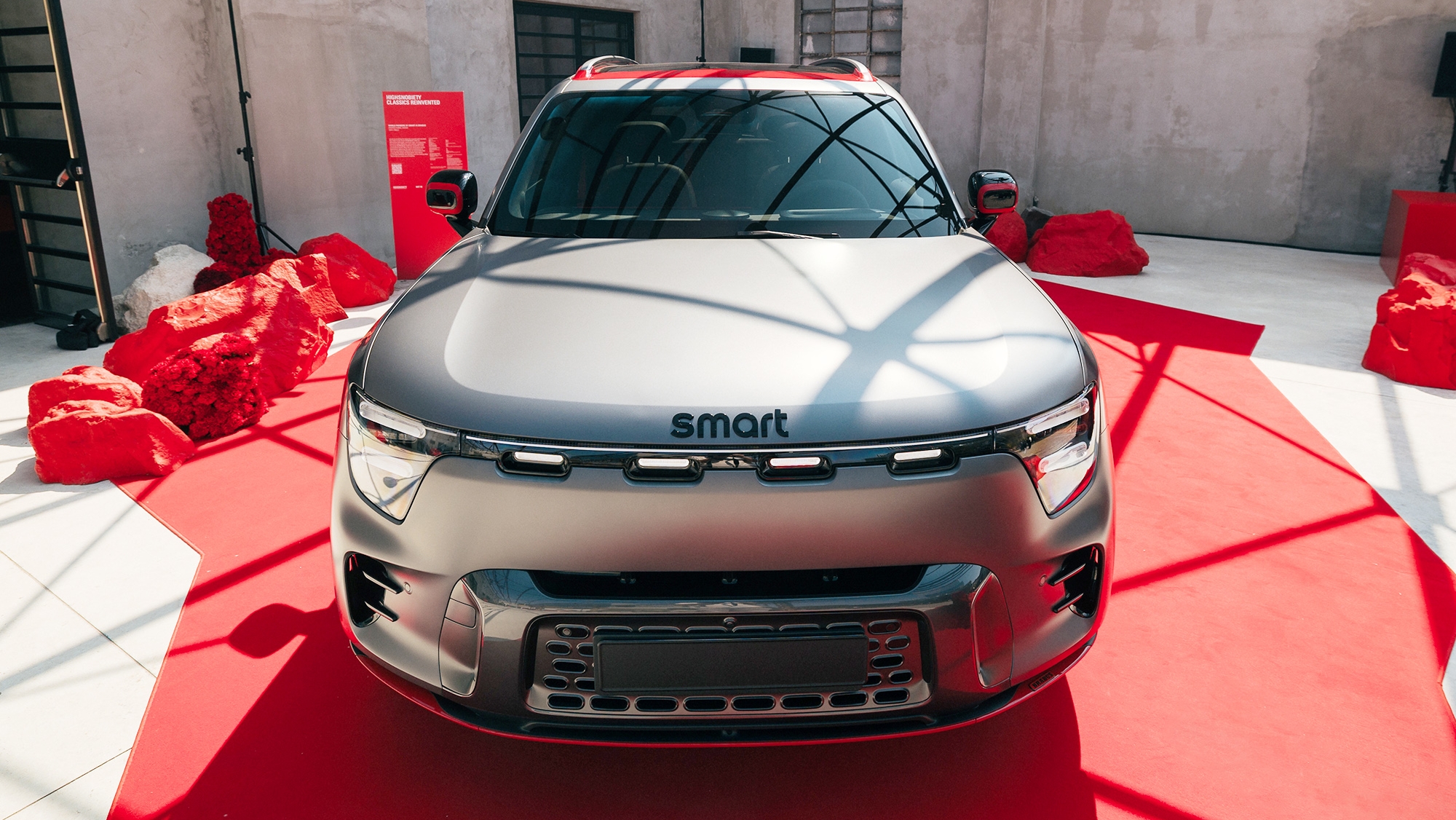
Smart Sales Slump in China as Buyers Wait for Smart #2
Smart, despite being majority-owned by China’s Geely Holding Group, is facing a critical sales slump in its largest market. With just 29,986 vehicles sold over 11 months, Chinese consumers are demonstrating a preference for smaller, more affordable models – specifically awaiting the launch of the Smart #2 – forcing a re-evaluation of the brand’s premium EV strategy and raising concerns about future growth.
The disconnect between Smart’s ambition and Chinese consumer demand exposes a fundamental risk for automakers pivoting towards higher price points in a fiercely competitive landscape. The current situation isn’t merely a sales hiccup; it’s a warning signal about the perils of misjudging market preferences, particularly in a nation where price sensitivity remains paramount. This miscalculation is creating immediate pressure on Smart’s dealer network, leading to substantial discounting and inventory liquidations. Companies facing similar brand repositioning challenges require robust market research and competitive intelligence to accurately gauge consumer sentiment and refine their strategies.
The Shifting Sands of the Chinese EV Market
Smart’s transition from a purveyor of compact city cars to a producer of larger, premium electric SUVs has demonstrably failed to resonate with Chinese buyers. The Smart #1 and #3, intended to spearhead this new direction, are languishing on dealer lots. The #1 accounted for 64% of sales between March 2025 and February 2026, while the #3 and #5 captured only 14% and 22% respectively, highlighting the limited appeal of the larger models. This isn’t simply about size; it’s about value. Competitors like BYD and Xpeng are offering vehicles with comparable technology, greater range and more competitive pricing.
The Chinese automotive market is currently embroiled in a price war, a brutal environment where any vehicle lacking a clear value proposition quickly falls out of favor. According to data from the China Association of Automobile Manufacturers (CAAM) and the China Passenger Car Association (CPCA), the overall EV market is experiencing intense pressure on margins. This necessitates a laser focus on cost control and operational efficiency.
“The Chinese consumer is incredibly discerning. They’re not simply looking for an electric vehicle; they’re looking for the *best* electric vehicle for their money. Brand prestige alone isn’t enough to overcome a significant price differential or a lack of compelling features.” – Dr. Li Wei, Senior Automotive Analyst, HuaTai Securities.
Discounting and the Erosion of Brand Equity
The desperation within the Smart dealer network is palpable. Reports from Yuan Auto indicate that luxury versions of the Smart #5, originally priced at 269,900 yuan (approximately €33,800), are being heavily discounted, with some units selling for around 100,000 yuan (€12,525). This aggressive discounting, while providing short-term relief, risks severely damaging Smart’s brand image and eroding profit margins. The long-term consequences of such tactics could be substantial, potentially requiring significant investment in brand rebuilding efforts.
This situation underscores the importance of effective supply chain management and inventory control. Companies facing similar challenges often turn to specialized supply chain optimization consultants to identify bottlenecks, reduce costs, and improve responsiveness to market fluctuations. A streamlined supply chain is crucial for maintaining profitability in a volatile pricing environment.
The Smart #6 and the Hope for a Turnaround
Smart is pinning its hopes on the upcoming launch of the #6, a plug-in hybrid sedan aimed at competing with the Xiaomi SU7. With an estimated starting price of 200,000 yuan (€25,049), the #6 represents a strategic attempt to address the price sensitivity of the Chinese market. However, the success of this launch is far from guaranteed. The sedan segment is also highly competitive, and Smart will need to differentiate itself through innovative features, superior performance, or a compelling brand narrative.
Simultaneously, Smart is accelerating the development of the #2, a new electric vehicle intended to revive the spirit of the iconic ForTwo. This vehicle is expected to debut at the Beijing Auto Show in April and represents a potential return to the brand’s roots. The timing of the #2’s launch is critical, as it could capitalize on the growing demand for smaller, more affordable EVs.
Navigating the Regulatory Landscape and Legal Risks
The complexities of operating in the Chinese automotive market extend beyond consumer preferences and competitive pressures. Navigating the intricate regulatory landscape and ensuring compliance with local laws is paramount. Automakers operating in China frequently rely on experienced international corporate law firms specializing in automotive regulations to mitigate legal risks and ensure smooth operations. Changes in government policies, such as subsidies or emission standards, can have a significant impact on the industry, making proactive legal counsel essential.
The current situation at Smart highlights the critical need for adaptability and a deep understanding of the Chinese market. The brand’s initial misstep serves as a cautionary tale for other automakers seeking to expand their presence in this dynamic and demanding environment.
Looking ahead, the next two fiscal quarters will be pivotal for Smart. The success of the #6 and the anticipation surrounding the #2 will determine whether the brand can regain its footing in China. However, simply launching new models isn’t enough. Smart must fundamentally reassess its pricing strategy, refine its marketing efforts, and build stronger relationships with its dealer network. For companies facing similar challenges, proactive engagement with specialized B2B partners – from market research firms to supply chain consultants and legal experts – is no longer a luxury, but a necessity. The World Today News Directory provides access to a vetted network of providers ready to help navigate these complexities and secure a competitive advantage.