
Slovenia Election: Roma Community Fears Surge in Anti-Romany Rhetoric & Rights Erosion
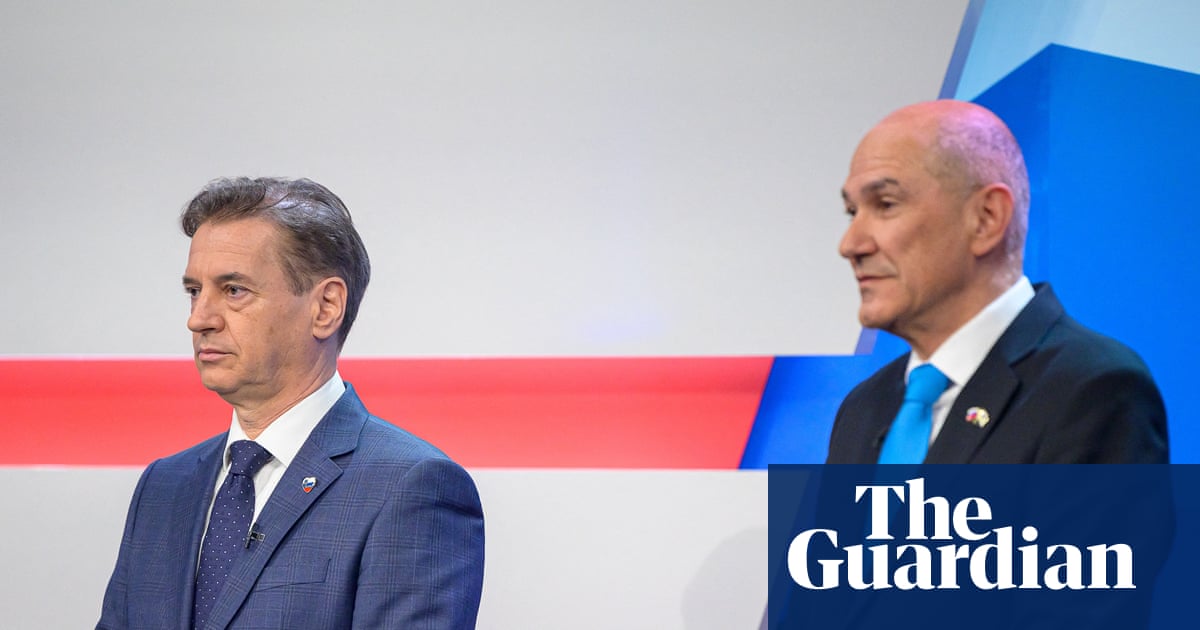
Slovenia heads to the polls on Sunday amid warnings of escalating anti-Romany rhetoric, casting a shadow over an election already focused on accusations of corruption and the direction of the country’s social policies. The vote pits incumbent Prime Minister Robert Golob of the Freedom Movement against right-wing populist Janez Janša, a three-time former prime minister and ally of Hungarian leader Viktor Orbán.
Campaigners have expressed concern that both Golob and Janša have engaged in scapegoating the Romany minority, though for different reasons. Golob’s government faced criticism last year for policies perceived as treating Romany people as a security threat, although Janša has suggested they receive preferential treatment regarding rights and equality. Zvonko Golobič, head of the Association for the Development of the Roma Community in Črnomelj, stated, “We Roma are facing two evils here in the election… So the question is: who is less evil?”
Slovenia’s Romany population, estimated at 12,000 within a total population of approximately 2.1 million, faces significant disparities. A 2020 report by Amnesty International revealed that life expectancy for Roma in Slovenia is 22 years lower than the national average, with infant mortality rates more than four times higher. Many Romany communities lack access to basic services such as clean drinking water, electricity, and sanitation.
A key point of contention has been the passage of a law in November, dubbed the “Šutar law” after the death of Aleš Šutar in an altercation linked to members of the Romany community. The law grants police the power to enter homes in designated “high-risk” areas without a warrant. While Golob maintained the measures target crime, not any specific ethnic group, Amnesty International has argued the law is likely to be applied discriminatorily against the Romany population and coupled with restrictions on social benefits, further marginalizing vulnerable families. Amnesty’s deputy director for research in Europe, Esther Major, said in a statement last November that the rhetoric used to justify the measures raised “serious fears that they would be deployed arbitrarily and discriminatorily against the Roma population.”
Haris Tahirović, president of an umbrella group representing Romany communities, expressed widespread fear within the community regarding the election outcome. “At this moment Roma are really afraid of who will come to power, what the political options will be, and what will happen after the elections,” he said. He accused Golob of introducing the “Šutar law” as a political tactic to deflect from other issues and portray himself as tough on crime.
Janša’s potential victory is viewed with even greater apprehension. Golobič suggested Janša would adopt a more radical approach, potentially expanding the number of “high-risk” areas and imposing harsher sentences on Romany individuals. Janša has too pledged to cut funding for civil society organizations, which could hinder the Romany community’s ability to advocate for their rights. Tahirović emphasized, “We’re not asking for anything other than to be an equal part of this society.”
The election has been further complicated by the emergence of leaked audio and video recordings alleging government corruption, claims Golob has denied. An investigation this week alleged Janša met with individuals linked to the Israeli spy firm Black Cube in December, raising questions about potential foreign interference in the election. Black Cube is known for its work with Harvey Weinstein to allegedly suppress reporting on allegations of sexual misconduct. Janša has denied any wrongdoing.
Commentators have described the election as a pivotal moment for Slovenia, with the outcome potentially determining whether the country remains aligned with democratic welfare states or shifts towards an illiberal model. Robert Botteri, an editor at the magazine Mladina, told Reuters, “These are … perhaps the most important elections ever in Slovenia since they will decide if Slovenia remains a democratic welfare state or it aligns with illiberal democracies.”