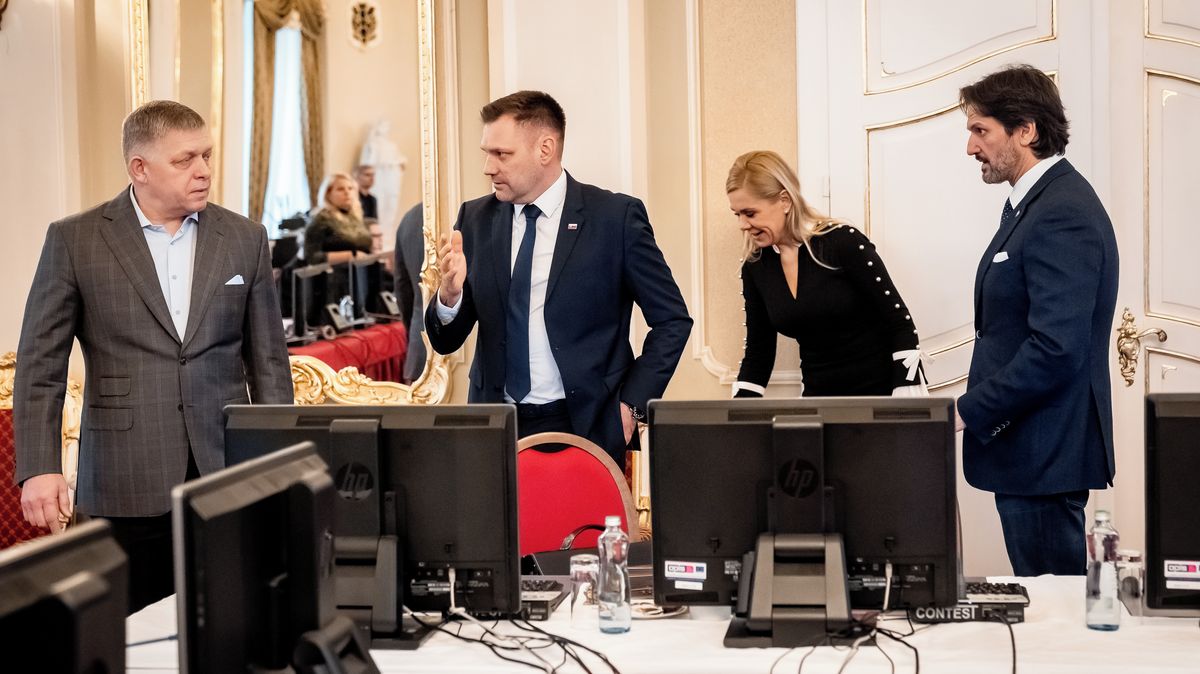
Slovakia Scandal: Air Defense System Sold for Scrap Prices
Slovakia’s Air Defense System Scandal Sparks Regional Security Concerns
Slovakia faces a growing political crisis as revelations surface that its air defense system may have been sold to Russia, raising alarms about national security and EU defense coordination. The controversy centers on a disputed 2023 contract, with critics accusing the government of jeopardizing strategic interests amid rising geopolitical tensions. The scandal risks undermining trust in Slovakia’s defense procurement and complicating NATO’s collective security framework.
The Controversy Unfolds: A Scandal of Alleged Mismanagement
A 2023 contract to sell a functional radar system to a Russian entity has ignited outrage, with opposition lawmakers and media outlets alleging that the deal was struck at a fraction of its market value. According to České noviny, the system—originally procured from a European manufacturer—was reportedly sold for scrap prices, sparking accusations of corruption and negligence. The Slovak government has yet to confirm the details, but the backlash has intensified pressure on Prime Minister Robert Fico’s administration.
The scandal has exposed vulnerabilities in Slovakia’s defense acquisition processes, which have long struggled with bureaucratic inefficiencies and opaque contracts.
“This represents a systemic failure of oversight,” says Dr. Martina Kováčová, a defense analyst at the Slovak Institute for International Affairs. “When critical infrastructure is sold without transparency, it erodes both national sovereignty and regional trust.”
The incident has also reignited debates over Slovakia’s reliance on foreign defense suppliers, particularly in light of its membership in both the EU and NATO.
Regional Implications: A Test for EU Defense Unity
The controversy threatens to strain Slovakia’s relationships with key allies, particularly within the EU and NATO. The sale of advanced defense technology to a non-EU state—especially one with a contentious record on security cooperation—could trigger sanctions or restrictions under EU defense export regulations. NATO has yet to comment, but the alliance’s 2022 Strategic Concept explicitly emphasizes “ensuring the integrity of defense procurement to prevent technology leakage.”
For the EU, the case highlights the challenges of harmonizing defense policies across member states. While the bloc has pushed for a unified defense industry, Slovakia’s actions risk exposing fractures in its collective security strategy.
“This isn’t just a Slovak issue—it’s a warning for the entire EU,” says Dr. Thomas Berg, a senior fellow at the Center for Strategic and International Studies. “When one member state’s procurement decisions undermine shared objectives, it weakens the bloc’s strategic coherence.”
The incident may also complicate efforts to establish a European Defense Fund, which aims to reduce reliance on external suppliers.
Global Market Repercussions: Supply Chains and Investment Risks
The scandal could have broader economic implications, particularly for defense contractors and international investors. Slovakia’s defense sector, though small, is part of a larger European supply chain. The perceived lack of transparency in the deal may deter foreign direct investment (FDI) in the country’s defense industry, as firms seek more stable and secure markets. The World Bank has noted that political instability and regulatory uncertainty are major deterrents for infrastructure and defense-related investments.
For logistics and risk management firms, the case underscores the need for rigorous due diligence in cross-border defense contracts. Logistics providers operating in Central Europe are already advising clients to reassess partnerships with Slovak entities, while international trade lawyers are preparing for potential disputes over contract terms and compliance with EU export controls.
The Road Ahead: Rebuilding Trust and Securing the Future
Slovakia’s immediate challenge is to transparently investigate the contract and hold accountable those responsible for any missteps. The government must also address deeper systemic issues, such as improving oversight of defense acquisitions and aligning procurement policies with NATO and EU standards.
“This is an opportunity to reform, not just a crisis to contain,” says EUI professor Dr. Anna Závadová. “A robust, transparent defense sector is essential for both national and regional stability.”
For the global community, the incident serves as a stark reminder of the interconnected risks posed by opaque defense deals. As Slovakia navigates this turmoil, the need for collaboration among cybersecurity consultants, legal experts, and geopolitical analysts has never been more urgent. The coming months will determine whether this scandal becomes a catalyst for reform or a precedent for further fragmentation in Europe’s security architecture.
Kicker: A Test of Resilience in a Fractured World
The Slovak air defense scandal is more than a national crisis—This proves a microcosm of the challenges facing a world where security, commerce, and geopolitics collide. As the EU and NATO grapple with internal divisions, the lesson is clear: transparency, accountability, and strategic alignment are not just ideals—they are survival tools. For businesses and