
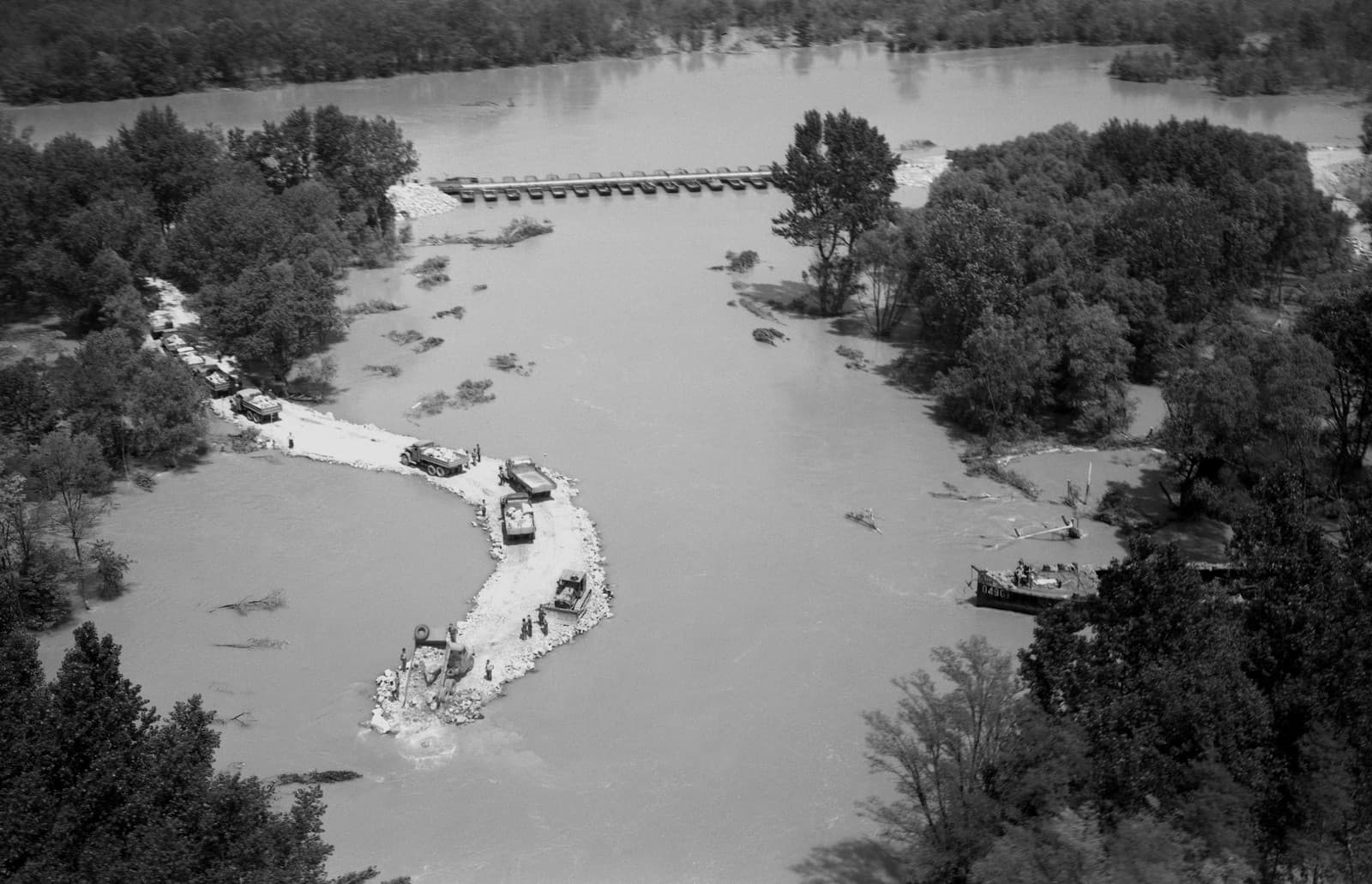
Slovakia Marks 60th Anniversary of Catastrophic 1965 Danube flood
Table of Contents
This June marks the 60th anniversary of the most devastating flood in Slovakia’s history, when the Danube River overflowed in mid-June 1965, inundating 46 municipalities and towns, including Komárno, Dunajská Streda, and Kolárovo. The disaster forced the evacuation of over 54,000 people and caused immense material damage. The flood serves as a stark reminder of the power of nature and the importance of flood preparedness.
The Deluge of ’65: A Nation Underwater
Prolonged rainfall and melting Alpine snow caused the Danube to swell to unprecedented levels in early June 1965. By mid-June, the river in Bratislava reached 910 centimeters, with similar heights in Komárno.The sheer volume of water overwhelmed protective dams, leading to breaches and widespread flooding 1.
Did You Know? The Danube River is the second-longest river in Europe, stretching over 2,850 kilometers (1,770 miles) through 10 countries 2.
On June 15, 1965, disaster struck when a dam near Patince broke, submerging the village within hours. The floodwaters spread rapidly, turning komárno into an island. Two days later, a major breach occurred between Číčov and Key, creating an 86-meter-wide gap in the dam. The Danube’s level reached 915 centimeters, with a flow rate of 9,224 cubic meters per second.
Heroic Efforts and Mass Evacuations
The Czechoslovak People’s Army, along with water management experts and construction crews, worked tirelessly to reinforce the dams. Evacuations on June 12, 1965, were crucial in preventing human tragedies. According to Jiří Brychta, former chief engineer of the czechoslovak People’s Army, the Danube riverbed was simply not prepared for such an extraordinary event. He described it as “century-old water.”
When the dam broke near Číčov, efforts to seal the breach involved using boats loaded with stones and gravel. Over 13,000 truckloads of stone, nearly 200,000 sandbags, more than 1,500 road panels, and nine towed boats filled with stones were deployed to repair the rupture.
The Aftermath: Destruction and Recovery
The flood destroyed approximately 4,000 houses and damaged over 6,000. It also inundated 250 kilometers of roads, 70 kilometers of rails, and 94,000 hectares of crops, devastating the region’s agricultural sector. An estimated 300,000 fruit trees were lost.
Even after the floodwaters receded,the affected areas faced notable challenges. All sources of drinking water were contaminated, requiring water to be imported in tanks. The restoration of the flooded regions was a arduous and lengthy process.
Lessons Learned and Modern Flood Prevention
The 1965 flood led to significant improvements in flood control measures along the Danube. Today, experts believe such a disaster is unlikely to happen again due to enhanced infrastructure and monitoring systems.
Pro Tip: Stay informed about flood risks in your area and have an emergency plan in place. Monitor weather forecasts and heed evacuation orders.
Danube Flood: Key Statistics
| Metric | Value |
|---|---|
| Municipalities and towns flooded | 46 |
| people evacuated | 54,000+ |
| Houses Destroyed | 4,000 |
| Area flooded | 71,000 hectares |
| Damages | 3 billion crowns |
Climatologist Pavol Faško from the Slovak Hydrometeorological Institute (SHMI) noted that the flood was caused by heavy rainfall in the German and Austrian sections of the Danube, as well as in the Czech Republic and Moravia. The high water levels in the tributaries further contributed to the disaster.
The flood situation in Bratislava lasted from March to July 1965. The flow rate exceeded 6,000 m3 for 40 days and 7,000 m3 for 20 days. In comparison, the major Danube flood in 2013 saw high water status lasting only a few days.
Ancient flood markers on buildings in towns and villages along the Danube serve as a reminder of the river’s power and the importance of ongoing flood prevention efforts.
What steps can communities take to better prepare for future flood events? How has flood management technology evolved since 1965?
