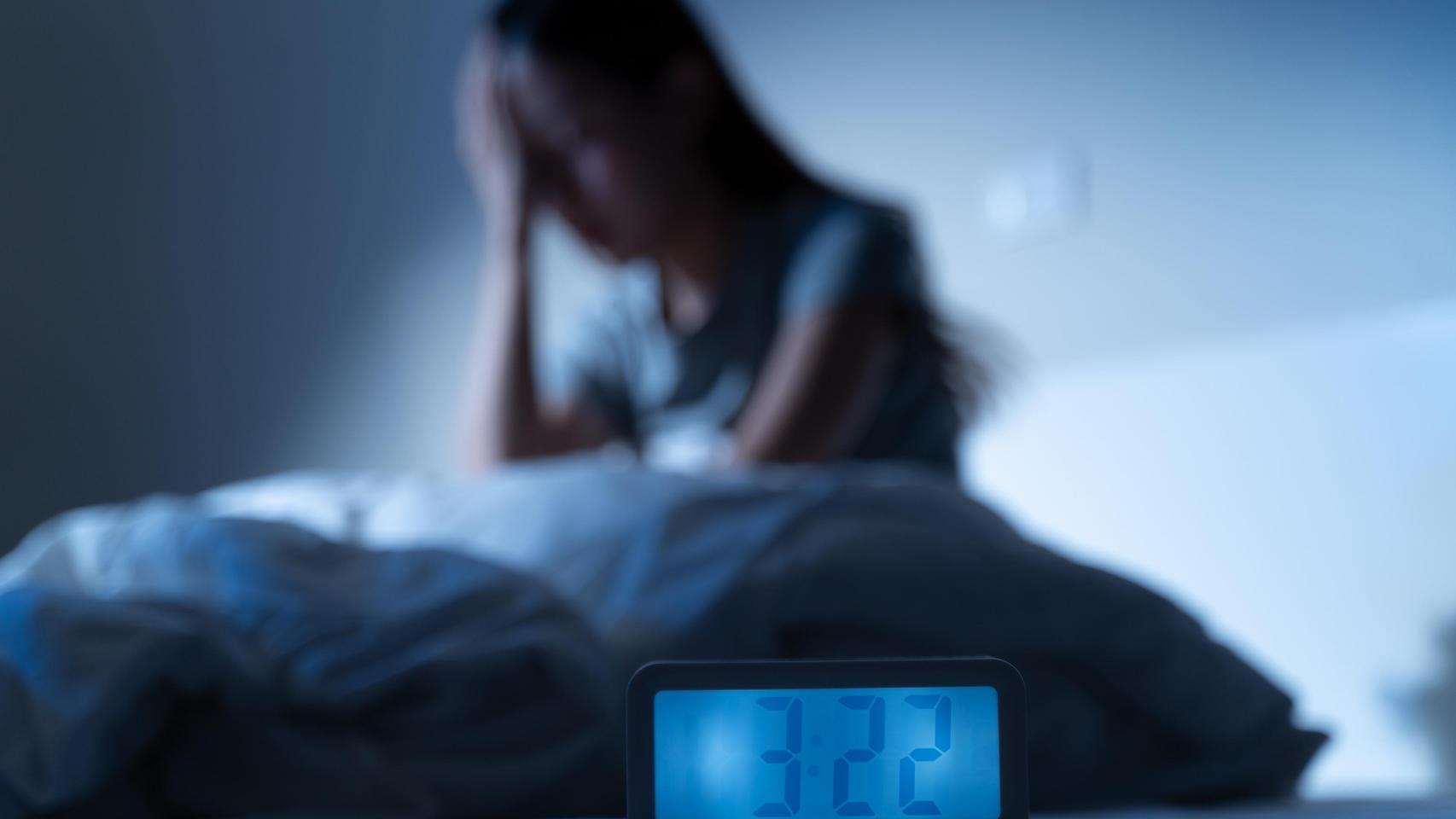
Sleep Quality Decline: How It Affects Your Body
Modern society is currently navigating a silent epidemic of sleep deprivation that extends far beyond mere tiredness. The systemic erosion of sleep quality is no longer just a lifestyle grievance; it is a clinical crisis manifesting as metabolic dysfunction, cognitive decline, and a heightened risk of cardiovascular morbidity.
Key Clinical Takeaways:
- Chronic sleep insufficiency triggers a systemic inflammatory response, increasing the risk of insulin resistance and Type 2 diabetes.
- The “sleep gap” is driven by circadian misalignment caused by artificial blue light and psychosocial stressors.
- Effective intervention requires a multidisciplinary approach combining cognitive behavioral therapy for insomnia (CBT-I) and precise diagnostic screening.
The biological imperative of sleep is often dismissed in the pursuit of productivity, yet the physiological cost is staggering. When we truncate our sleep cycles, we are not simply “losing rest”; we are interrupting the glymphatic system—the brain’s waste-clearance mechanism that flushes beta-amyloid proteins during deep non-REM stages. Failure to complete these cycles leads to a cumulative “sleep debt” that impairs the prefrontal cortex, reducing executive function and emotional regulation. This represents not a subjective feeling of fatigue but a measurable degradation of neurological homeostasis.
The pathogenesis of modern sleep disorders is closely linked to the disruption of the suprachiasmatic nucleus (SCN), the body’s primary circadian pacemaker. Exposure to high-intensity short-wavelength light from digital interfaces suppresses the secretion of melatonin from the pineal gland, effectively tricking the brain into a state of permanent daytime alertness. This misalignment creates a state of “social jetlag,” where the internal biological clock is perpetually out of sync with the external environment, leading to fragmented sleep architecture and decreased REM latency.
“We are seeing a direct correlation between the decline in average sleep duration and the rise in metabolic syndrome. Sleep is not a luxury; it is a primary metabolic regulator. Without it, the body loses its ability to regulate glucose and cortisol, creating a pro-inflammatory state that accelerates cellular aging.” — Dr. Matthew Walker, PhD, Professor of Neuroscience and Behavioral Psychology.
The Epidemiological Shift in Sleep Morbidity
According to longitudinal data published in PubMed Central and supported by World Health Organization (WHO) guidelines, the prevalence of insomnia and obstructive sleep apnea (OSA) has surged globally. This trend is not merely anecdotal. Large-scale epidemiological surveys indicate that nearly 30% of the adult population experiences chronic insomnia, often exacerbated by comorbid anxiety and depression. The funding for these large-scale observations often stems from public health grants, such as those from the National Institutes of Health (NIH), emphasizing the role of sleep as a public health priority rather than an individual failing.

For individuals experiencing chronic fatigue or suspected sleep apnea, the risk of undiagnosed hypertension is significant. It is clinically imperative to move beyond over-the-counter sedatives, which often disrupt sleep architecture further. Patients should seek a comprehensive evaluation from board-certified sleep medicine specialists to undergo polysomnography, the gold standard for diagnosing sleep-wake disorders.
Circadian Disruption and the Metabolic Cascade
The relationship between sleep and metabolic health is bidirectional. Sleep deprivation increases the secretion of ghrelin (the hunger hormone) while suppressing leptin (the satiety hormone), leading to hyperphagia and weight gain. Just one week of restricted sleep can reduce insulin sensitivity to levels seen in pre-diabetic patients. This biochemical shift creates a dangerous feedback loop: poor sleep leads to weight gain, and increased adiposity often leads to obstructive sleep apnea, which further degrades sleep quality.
The standard of care is shifting away from pharmacological dependence. While benzodiazepines may induce sedation, they do not produce natural, restorative sleep. Instead, clinical consensus now favors Cognitive Behavioral Therapy for Insomnia (CBT-I) as the first-line treatment. For those struggling with the psychological barriers to sleep, consulting with licensed clinical psychologists specializing in sleep hygiene can provide the necessary cognitive restructuring to break the cycle of insomnia.
“The clinical challenge today is that patients view sleep as a variable they can control via medication. In reality, we must treat the underlying circadian dysfunction. If the biological clock is broken, no amount of sedative will restore the brain’s glymphatic clearance.” — Dr. Eric Naylor, Sleep Research Fellow.
Regulatory Hurdles and the Future of Somnology
As we move toward 2026, the pharmaceutical landscape is evolving. We are seeing a transition from general sedatives to dual orexin receptor antagonists (DORAs), which target the “wake” system rather than forcing the “sleep” system. These therapies aim to reduce the risk of dependency and cognitive impairment associated with older hypnotics. However, the integration of these new agents requires strict adherence to EMA and FDA guidelines to avoid contraindications with other CNS depressants.
For healthcare providers and clinics integrating these new protocols, the regulatory burden of patient monitoring and reporting is increasing. To ensure compliance with evolving healthcare laws and avoid liability associated with off-label prescriptions, many medical practices are engaging healthcare compliance attorneys to audit their prescribing protocols and patient consent frameworks.
The Path Toward Restorative Health
The trajectory of sleep science is moving toward “precision somnology”—the use of wearable biometric data integrated with genetic screening to tailor sleep environments to the individual’s chronotype. We are moving away from the “eight-hour rule” and toward a model of sleep efficiency and quality. The goal is to restore the synchronization between our internal biological rhythms and the demands of a digital world.
Addressing sleep deficiency is not about adding an extra hour to the night; it is about systemic recovery. Whether through the optimization of the sleep environment, the implementation of CBT-I, or the surgical correction of sleep apnea, the objective is to mitigate the long-term morbidity associated with chronic exhaustion. To begin this process of recovery, we encourage readers to utilize our directory to find vetted, high-authority medical professionals who can provide a data-driven approach to sleep health.
Disclaimer: The information provided in this article is for educational and scientific communication purposes only and does not constitute medical advice. Always consult with a qualified healthcare provider regarding any medical condition, diagnosis, or treatment plan.