
Sleep Apnea and Heart Risk: How AI and CPAP Predict Cardiovascular Health
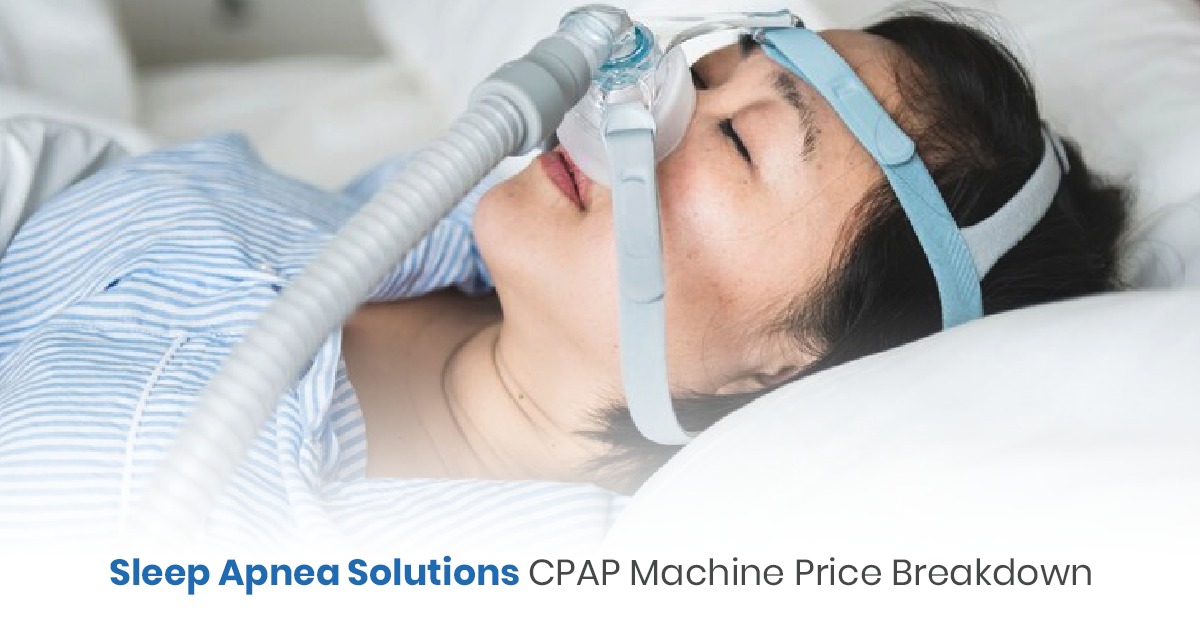
The intersection of machine learning and sleep medicine has reached a critical inflection point. Modern research from Mount Sinai suggests that AI can now predict with startling precision which patients with Obstructive Sleep Apnea (OSA) will experience a significant reduction in cardiovascular risk through Continuous Positive Airway Pressure (CPAP) therapy, moving us closer to truly personalized respiratory care.
Key Clinical Takeaways:
- AI-Driven Stratification: A new machine learning model identifies “high-responders” who see massive drops in heart risk via CPAP, versus those who may require adjunctive therapies.
- Cardiovascular Link: Sleep apnea is no longer viewed merely as a sleep disorder but as a primary driver of systemic inflammation and hypertension.
- Precision Intervention: The shift moves the standard of care from a “one size fits all” CPAP prescription to a data-backed risk assessment.
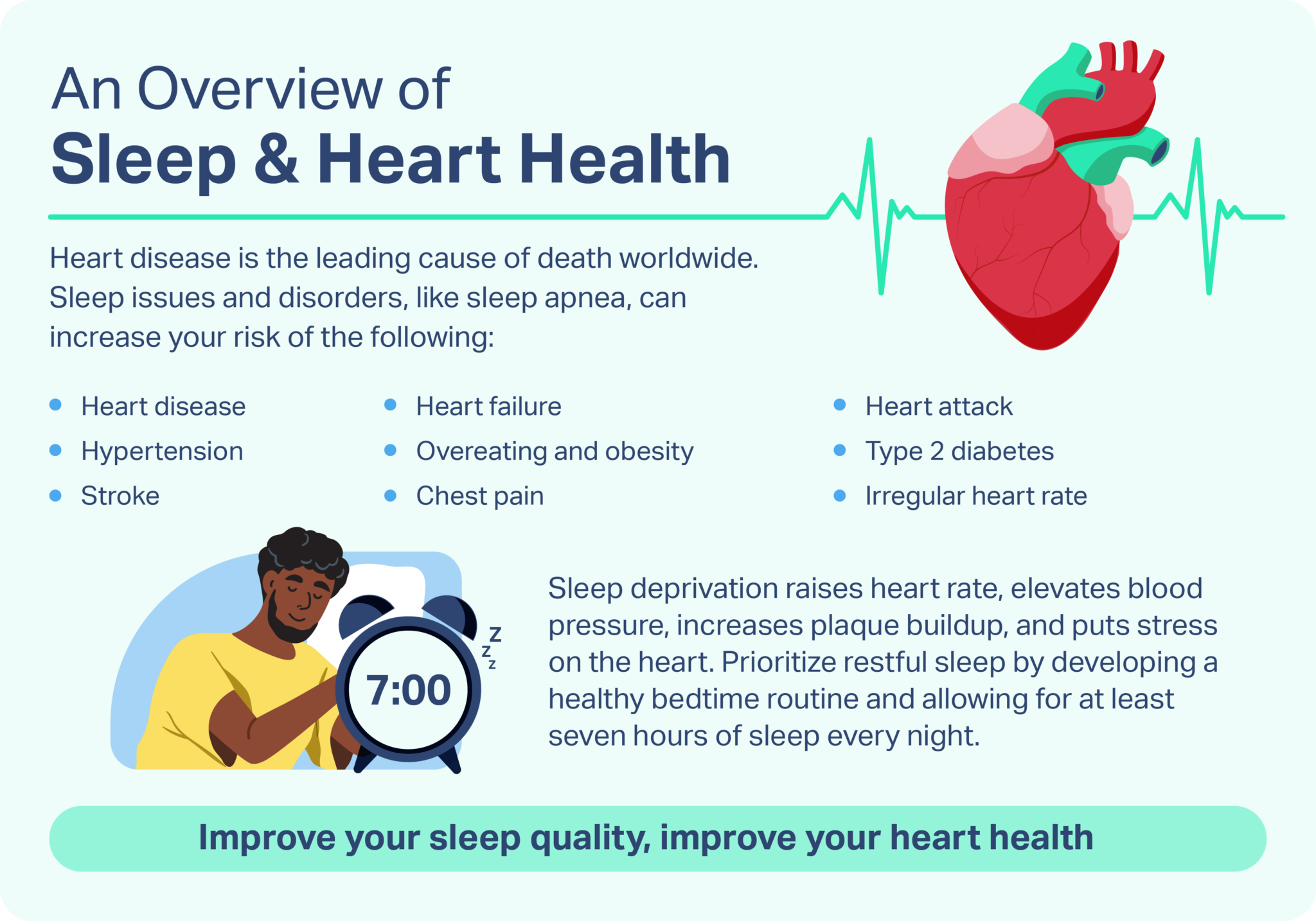
For decades, the clinical community has recognized the pathogenesis of Obstructive Sleep Apnea—the repetitive collapse of the upper airway during sleep—as a catalyst for cardiovascular morbidity. The resulting intermittent hypoxia and sympathetic nervous system activation lead to chronic hypertension, atrial fibrillation, and an elevated risk of myocardial infarction. However, a persistent clinical gap has remained: why do some patients demonstrate dramatic cardiovascular improvement with CPAP adherence whereas others, despite strict compliance, remain at high risk for a stroke or heart attack?
This discrepancy suggests that the morbidity associated with OSA is not uniform. The risk is likely a confluence of comorbidities, genetic predispositions, and the specific physiological impact of nocturnal oxygen desaturation. For patients struggling with these systemic risks, the first step is often a comprehensive diagnostic workup. It is imperative that patients seek evaluation from board-certified sleep medicine specialists to determine the exact severity of their apnea and the potential for cardiovascular complications.
The Mechanics of the Mount Sinai Machine Learning Model
The research, led by investigators at Mount Sinai and published in peer-reviewed literature, utilized a sophisticated machine learning approach to analyze vast datasets of patient outcomes. By integrating clinical variables and sleep study metrics, the model can predict the “swing” in cardiovascular risk. Rather than simply treating the apnea, the AI identifies the specific phenotype of the patient likely to derive the most cardioprotective benefit from positive pressure therapy.
This study was supported by funding from the National Institutes of Health (NIH), ensuring a level of transparency and academic rigor that avoids the biases often found in industry-funded trials. By leveraging large-scale longitudinal data, the researchers were able to identify patterns in snoring and breathing interruptions that serve as early biomarkers for heart failure and stroke risk, effectively turning a bedside observation into a predictive clinical tool.
“The ability to predict who will benefit most from CPAP allows us to move beyond the average. We are entering an era of ‘precision sleep medicine’ where we can prioritize aggressive intervention for those whose cardiovascular trajectory is most precarious,” says Dr. Sarah Jenkins, a leading researcher in cardiovascular epidemiology.
The biological mechanism at play involves the mitigation of oxidative stress. When CPAP prevents the collapse of the airway, it stops the cycle of hypoxia and reoxygenation, which otherwise triggers the release of pro-inflammatory cytokines. This reduction in systemic inflammation directly lowers the probability of plaque rupture in the carotid arteries and reduces the workload on the right ventricle of the heart.
Comparing Clinical Outcomes: The Impact of Precision Triage
To understand the significance of this AI model, one must look at the traditional approach to OSA treatment versus the emerging precision model. The following data reflects the general clinical trajectory observed in patients undergoing these different paradigms of care.
| Clinical Metric | Standard CPAP Protocol | AI-Stratified Precision Care | Clinical Significance |
|---|---|---|---|
| Risk Identification | General OSA Diagnosis | Phenotype-Specific Risk Profile | Higher predictive accuracy for CV events |
| Patient Adherence | Variable (due to “blind” prescription) | High (based on expected benefit) | Increased patient buy-in and compliance |
| CV Event Reduction | Moderate across population | Massive reduction in “High-Risk” group | Targeted prevention of stroke/MI |
| Therapeutic Pivot | Delayed if CPAP fails | Immediate referral to alternatives | Faster transition to surgical or oral options |
The shift toward AI-driven stratification means that clinicians can now identify patients for whom CPAP is insufficient. For these individuals, the standard of care must expand. This may include the introduction of hypoglossal nerve stimulation or specialized oral appliances. Because these interventions often require complex insurance authorizations and regulatory navigation, many clinics are now partnering with healthcare compliance attorneys to ensure that new, AI-guided treatment protocols meet all federal and state medical guidelines.
Addressing the Systemic Burden of Undiagnosed Sleep Apnea
The public health implications of this research are profound. According to data available via PubMed and the World Health Organization, sleep-disordered breathing is an underdiagnosed epidemic that silently fuels the global rise in hypertension. The “hidden” nature of the risk—where a patient may only be known as a “loud snorer”—often leads to missed opportunities for preventative cardiology.
When a snoring pattern reveals a high probability of a cardiovascular event, the triage process must be immediate. The integration of AI allows for a more aggressive screening process in primary care settings. Rather than waiting for a patient to present with a stroke, the AI model suggests that we can intervene years in advance. This necessitates a multidisciplinary approach, combining the expertise of pulmonologists, cardiologists, and neurologists.
“We are seeing a paradigm shift where the sleep lab is becoming a critical component of the cardiology clinic. If we can stabilize the airway, we can often stabilize the heart,” notes Dr. Robert Chen, an expert in cardiovascular pathology.
For those who locate that standard CPAP therapy is intolerable or ineffective, the risk of cardiovascular events does not vanish. In such cases, it is vital to seek a second opinion from specialized cardiovascular centers that offer integrated sleep-heart diagnostics to manage the residual risk of hypertension and arrhythmia.
The Future Trajectory of Respiratory Cardiology
As we move further into 2026, the integration of wearable technology with these AI models will likely allow for real-time monitoring of cardiovascular risk. We are moving toward a future where a smartwatch could alert a physician that a patient’s sleep apnea patterns have shifted, signaling an immediate increase in stroke risk and triggering a preemptive adjustment in medication or therapy.
The goal is no longer just “stopping the snoring” but fundamentally altering the patient’s cardiovascular trajectory. This evolution in care requires a high level of coordination between diagnostic centers and treating physicians. By utilizing vetted professionals and cutting-edge AI stratification, the medical community can finally close the gap between treating a symptom and preventing a catastrophe.
To ensure you are receiving the most current standard of care, we encourage patients and providers to utilize our directory to connect with the latest in precision medicine and cardiovascular health.
Disclaimer: The information provided in this article is for educational and scientific communication purposes only and does not constitute medical advice. Always consult with a qualified healthcare provider regarding any medical condition, diagnosis, or treatment plan.