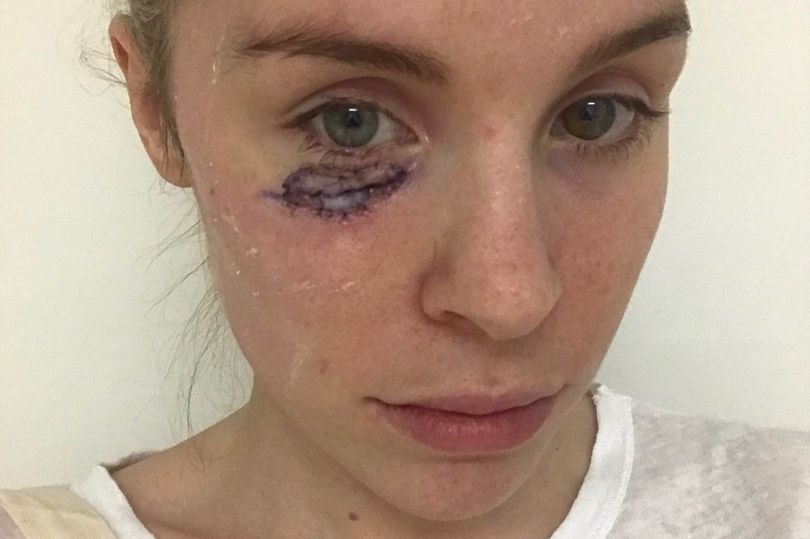
Skin Cancer Survivor Demands End to Unethical Sunscreen Tax
A recent personal account published by AOL.co.uk detailing a skin cancer diagnosis at age 26 has thrust the ongoing economic classification of sun protection products into public view, intensifying pressure on policymakers to reevaluate medical tax policies surrounding preventative oncology care.
Key Clinical Takeaways:
- A 26-year-old skin cancer patient’s testimony highlights the financial barriers surrounding daily preventative oncology measures.
- Dermatological consensus classifies broad-spectrum formulations as critical prophylactic interventions against cutaneous malignancies such as melanoma and squamous cell carcinoma.
- Public health advocates argue that taxation policies treat these medical essentials as cosmetic luxuries rather than standard preventative care.
Epidemiological Burdens and Prophylactic Standards
Cutaneous malignancies represent a significant challenge in modern oncology, with early-onset presentations showing distinct clinical trajectories. According to data tracked across dermatological registries, ultraviolet radiation exposure remains the primary modifiable risk factor in the pathogenesis of both melanoma and non-melanoma skin cancers. Standard guidelines from established health bodies consistently list daily application of broad-spectrum sunscreens with an SPF of 30 or higher as a fundamental component of the standard of care for skin cancer prevention. Despite this clinical consensus, regulatory frameworks in multiple jurisdictions continue to levy standard sales taxes on these formulations, categorizing them alongside discretionary beauty products.
For patients managing high-risk profiles or navigating the aftermath of early-stage excisions, consistent access to medical-grade dermatological care is non-negotiable. To evaluate suspicious lesions or manage persistent dermatological anomalies, individuals should consult with verified board-certified dermatologists to ensure proper surveillance and early detection protocols are established.
Economic Classification and Policy Disconnect
The core argument advanced in the recent AOL.co.uk report centers on the classification anomaly where health-critical prophylactic goods face consumer taxes. Public health analysts point out that while prescription medications and certain medical devices receive exemptions or subsidies, over-the-counter prophylactic agents designed to prevent carcinogenesis are often treated as retail commodities. This financial hurdle can disproportionately affect younger demographics and lower-income households who require consistent, long-term UV protection to mitigate cumulative cellular damage.
Addressing these systemic gaps requires a coordinated approach between patient advocacy groups and healthcare compliance frameworks. When evaluating health expenditures or working to expand coverage for preventative interventions, consulting with specialized healthcare compliance attorneys can help clarify regulatory classifications and support policy reform initiatives.
Future Trajectory of Preventative Oncology Care
As discussions surrounding medical taxation evolve, the medical community continues to emphasize that prevention remains vastly more cost-effective than treating advanced metastatic disease. Future policy adjustments will likely depend on whether regulatory agencies officially reclassify broad-spectrum sunscreens as preventative medicine rather than cosmetics. Until such regulatory shifts occur, maintaining vigilance through regular skin checks and professional oversight remains vital. Patients seeking comprehensive diagnostic evaluations can schedule appointments through vetted diagnostic imaging and oncology centers to maintain proactive health management.
*Disclaimer: The information provided in this article is for educational and scientific communication purposes only and does not constitute medical advice. Always consult with a qualified healthcare provider regarding any medical condition, diagnosis, or treatment plan.*