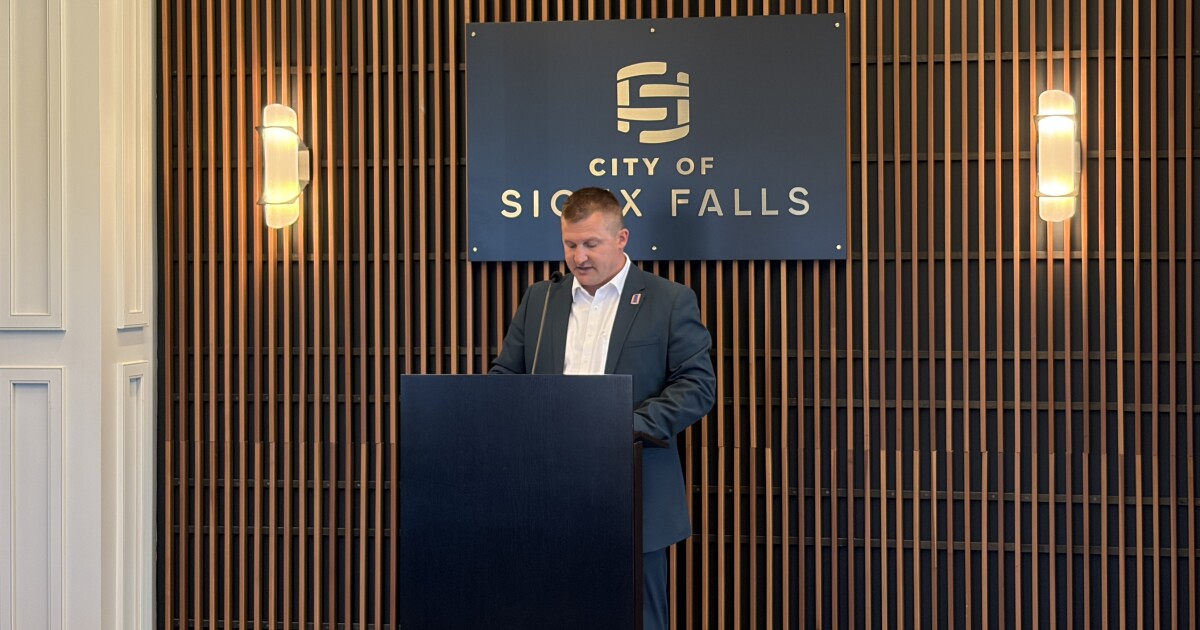
Sioux Falls Parks & Health Initiative: Aligning Recreation Planning with Community Wellness
Sioux Falls is merging its parks and recreation department with public health officials to align green spaces with community health goals, marking a shift toward data-driven urban planning. The collaboration, announced June 25, 2026, aims to address rising obesity rates and mental health challenges by integrating health metrics into park design and programming. City officials cite a CDC study showing parks within a 10-minute walk reduce chronic disease risk by 15%.
Why is Sioux Falls linking parks to public health?
The initiative stems from a 2025 audit revealing Sioux Falls ranked 47th among U.S. cities for park accessibility, with 22% of residents lacking a park within a half-mile. Meanwhile, Minnehaha County’s 2024 health report highlighted obesity as a top concern, with 34% of adults classified as obese—higher than the state average of 30%. The city’s move follows a national trend: APHA data shows 68% of cities with over 100,000 residents now integrate health departments into park planning.
“This isn’t just about adding playgrounds. It’s about designing spaces that move people—literally and metaphorically. We’re mapping stress hotspots and pairing them with active recreation zones.”
How will the collaboration work?
The departments will pilot a three-phase approach:
- Phase 1 (2026–2027): Retrofit three high-traffic parks with health-focused amenities (e.g., walking trails with air-quality monitors, shaded rest areas for heat-vulnerable populations). Cost: $1.2 million, funded by a 2025 bond issue.
- Phase 2 (2028–2029): Launch a “Park Prescription” program, where doctors refer patients to specific parks based on health needs (e.g., seniors to low-impact trails, teens to basketball courts with mental health resource kiosks).
- Phase 3 (2030+):: Expand to 12 parks, incorporating biophilic design (nature-integrated features) to reduce cortisol levels, per a 2019 Nature study.
What challenges does this create—and who can help?
Three hurdles emerge:
- Funding gaps: The $1.2M pilot requires 40% private matching. Sioux Falls is seeking grants from the U.S. Department of Health & Human Services, which awarded $50M in 2025 to similar initiatives.
- Data integration: Merging health records with park usage data raises privacy concerns. The city will partner with healthcare compliance law firms to navigate HIPAA regulations for anonymized datasets.
- Community buy-in: Some residents oppose “government-run” recreation. A focus group in April 2026 showed 62% support but 28% skepticism about “health mandates.” The city will engage community organizers to co-design programs.
How does this compare to other cities?
| City | Collaboration Model | Outcome (3 Years) | Funding Source |
|---|---|---|---|
| Portland, OR | Health department oversees park programming | 18% increase in park usage among low-income residents | City general fund + private donors |
| Atlanta, GA | Parks department hires public health consultants | 12% drop in obesity rates near new parks | CDC grant |
| Sioux Falls, SD | Joint health/parks task force | Pilot phase underway (data pending) | Bond issue + federal grants |
Sioux Falls’ approach stands out for its task-force structure, blending city staff with external experts. “Most cities silo these efforts,” notes Dr. Vasquez. “We’re breaking down walls before the first shovel hits the ground.”
What’s next for Sioux Falls?
By 2027, the city will release a Healthy Parks Index, ranking parks by their impact on physical and mental health. Residents can expect:
- Real-time air-quality alerts at 15 parks via EPA-certified sensors.
- Partnerships with local gyms to offer discounted memberships near parks.
- A public dashboard tracking usage vs. health outcomes, updated quarterly.
The collaboration’s success hinges on scalability. Cities like Sioux Falls, with limited resources, must prove that health-integrated parks deliver ROI. Early adopters like Portland show the model works—but Sioux Falls’ rural context (lower population density, higher car dependency) may require creative solutions. One certainty: the demand for expert urban planners who bridge health and infrastructure will surge as this trend spreads.
“We’re not just building parks. We’re building prescriptions for a healthier community.”
As Sioux Falls pioneers this fusion of recreation and public health, the blueprint may soon become a template for mid-sized cities grappling with aging infrastructure and rising health costs. The question isn’t whether other municipalities will follow—but how quickly they can adapt. For now, residents and officials alike watch to see if the Park Prescription program can turn green spaces into a cornerstone of preventive care.