Singapore’s St John’s Island Lab Renamed National Marine Research Station, Leads Regional Network
Singapore’s primary offshore marine facility has taken on an expanded regional mandate as warming seas drive closer scientific cooperation across Southeast Asia.
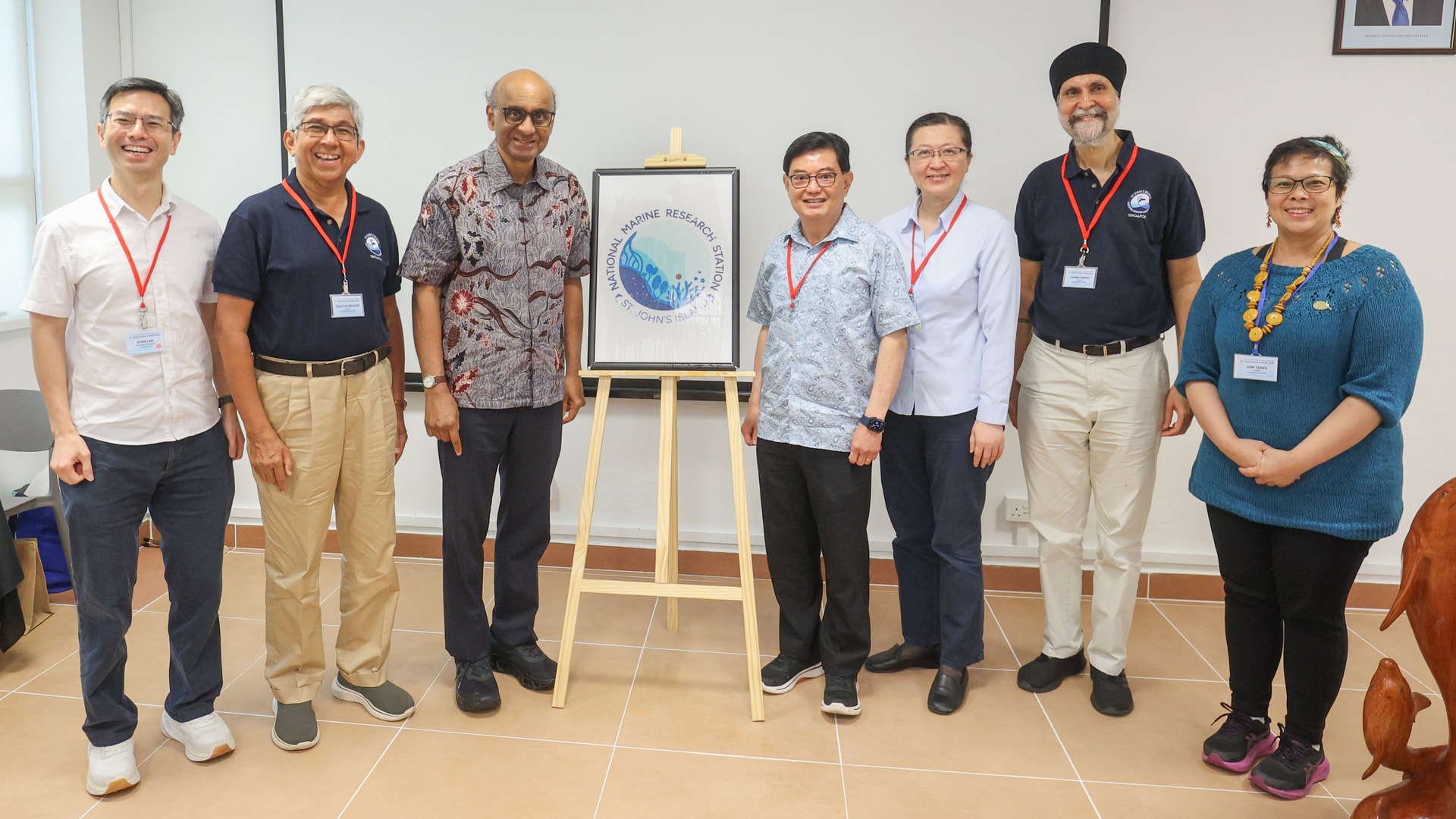
The St John’s Island National Marine Laboratory was officially renamed the National Marine Research Station on Wednesday, November 25, 2026, according to a joint press release cited by The Straits Times. President Tharman Shanmugaratnam officiated the launch ceremony at the start of Marine Science Week, marking a decade of progress for the research base.
Alongside the name change, the facility will lead the newly established Southeast Asia Marine Research Stations network. The initiative brings together more than 10 core member institutions across Indonesia, Malaysia, the Philippines, Thailand, and Singapore, as reported by Mirage News.
“Climate change, the loss of biodiversity and the health of our oceans are not separate problems, but deeply connected,” Tharman said at the event. He added that the network will unite regional scientists to strengthen collective stewardship of local seas.
Former Deputy Prime Minister Heng Swee Keat also spoke at the launch, noting that Singapore’s maritime history ties the health of its marine environment directly to national livability. Heng described the network as a key vehicle for fostering regional trust ahead of Singapore’s ASEAN chairmanship in 2027.
The facility’s expanded scope extends beyond laboratory research and aquaria. NMRS will now operate as a marine observatory, a platform for scientific training, a public outreach hub, and an offshore sentinel monitoring urban waters and climate impacts.
To support these new missions, the station will receive a replacement for its 18-year-old research vessel, the RV Galaxea. The new ship will feature a larger deck, a moonpool, a safer diving platform for rough weather, and improved equipment for seabed sampling and shallow coastal access.
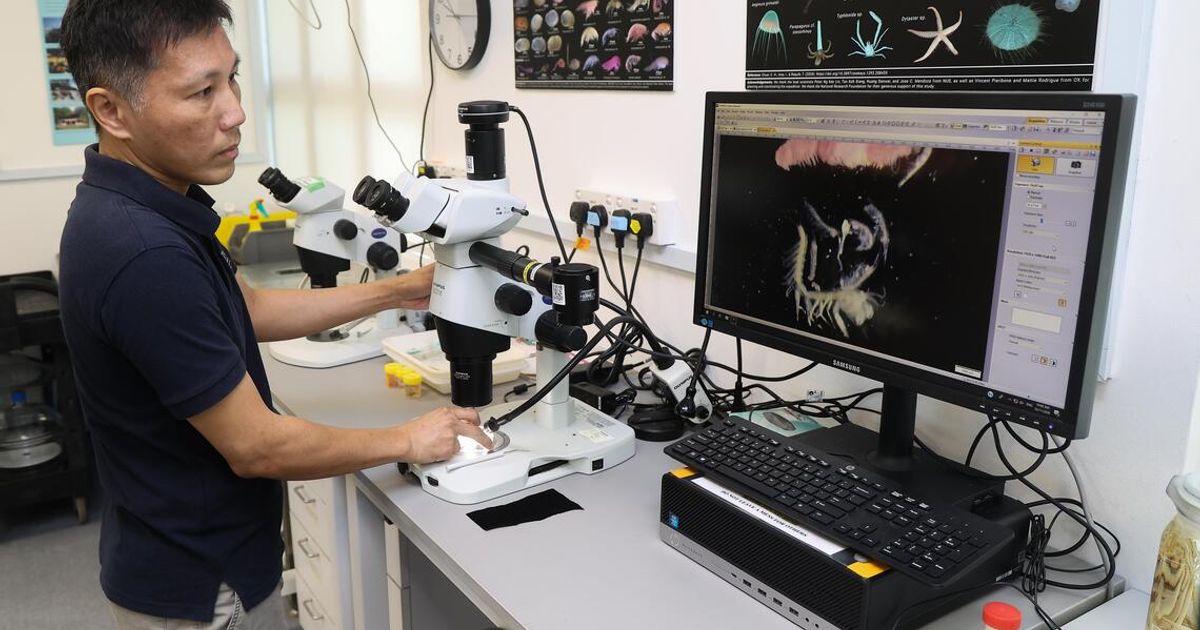
Plankton research will also get a technological boost with two new imaging instruments. The Imaging FlowCytobot will automate continuous phytoplankton imaging, while the FlowCam Macro will capture larger particles to replace slow manual microscopy.
“The renaming to NMRS captures what our facility has naturally grown into over the past decade,” said Dr Jani Tanzil, Director of NMRS, in reporting from Mirage News. “Going forward, NMRS will not only support the best science needed to safeguard Singapore’s marine environment but will also act as an operational nexus for Southeast Asia.”
Regional network sets five cooperation pillars
As the lead institution and current Secretariat host, NMRS will establish working groups around five priority areas, according to Mirage News. These cover advancing regional collaboration and joint research to strengthen science-policy linkages, facilitating shared access to infrastructure and technical expertise, and strengthening the regional marine science community’s visibility and partnership opportunities.
The remaining pillars focus on building capacity through training, exchanges and fellowships, and promoting long-term marine monitoring with harmonised observation systems and open science practices.
Source 1 reports that NMRS will widen access to advanced facilities, expertise and specialised training across Singapore and Southeast Asia to meet evolving environmental needs. The network’s structure is designed to pool resources, share knowledge, nurture talent and build collective action on shared marine and coastal challenges, Dr Jani Tanzil told Mirage News.
Coral restoration reveals scale of reef loss
Research cited by The Straits Times shows that less than 40 per cent of Singapore’s original coral reef area remains today, amounting to about 10 square kilometres after extensive coastal development and climate change effects.
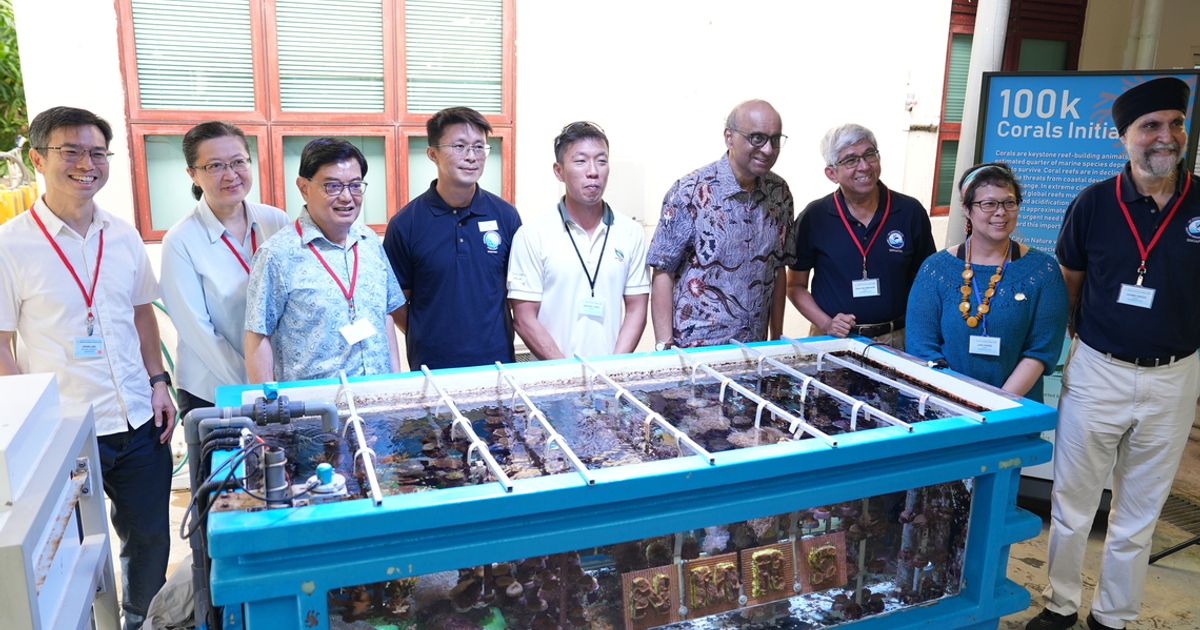
More than 2,500 corals have already been reared at the research station as part of this initiative, The Straits Times reported. The programme operates under Singapore’s Research, Innovation and Enterprise plan, which has seen the offshore lab facilitate over 150 projects spanning manufacturing, trade, human health, urban sustainability and digital economy initiatives.
The St John’s Island National Marine Laboratory, renamed the National Marine Research Station on November 25, 2026, traces its origins to 2002 when the National University of Singapore opened the Tropical Marine Science Institute’s marine laboratory, and to 2016 when it was launched as national research infrastructure for local marine scientists.
Since 2024 the station has also driven Singapore’s first seagrass restoration project, a three-year programme studying reproduction and environmental tolerance to improve coastal transplantation.
The station has supported over 150 research projects under Singapore’s Research, Innovation and Enterprise plan and aids the 100k Corals Initiative to plant 100,000 corals in local waters. While weekday events during Marine Science Week target researchers, public activities are scheduled for the Marine Science Weekend on November 28 and 29.