Singapore Sees Rise in Influenza Cases, Severity Remains Stable: CDA
Singapore public health officials report a notable surge in influenza cases across the community, though authorities confirm there is currently no indication that these infections are more severe than usual. According to a media statement issued on September 1 by the Communicable Diseases Agency (CDA), community swab samples testing positive for the influenza virus climbed to 36.6 per cent for the week of August 16 to 22, rising from 24 per cent the previous week.
Understanding the Current Influenza Positivity Trends
Seasonal influenza viruses circulate year-round in Singapore, with established peak periods typically spanning from May to August, as well as December to March, based on national surveillance data.
Common symptoms associated with the circulating strains include fevers, persistent headaches, dry or productive coughs, sore throats, and general chills or fatigue. Health guidelines emphasize that influenza spreads primarily through respiratory droplets or tiny particles released into the air when an infected individual coughs, sneezes, talks, or sings. Other individuals can inhale these particles directly or contract the virus when droplets land on their eyes, noses, or mouths.
Expert Analysis on Transmission and Seasonality
Director of the Asia Centre for Health Security Hsu Li Yang noted that while the natural epidemiological trend would typically see case numbers recede within a few weeks as Singapore exits the standard peak window, it remains uncertain whether positivity rates have definitively peaked because numbers continue to climb upward. The Asia Centre for Health Security operates as a think-tank headquartered in the National University of Singapore’s Saw Swee Hock School of Public Health, collaborating closely with regional universities and government bodies to strengthen resilience against emerging infectious diseases.
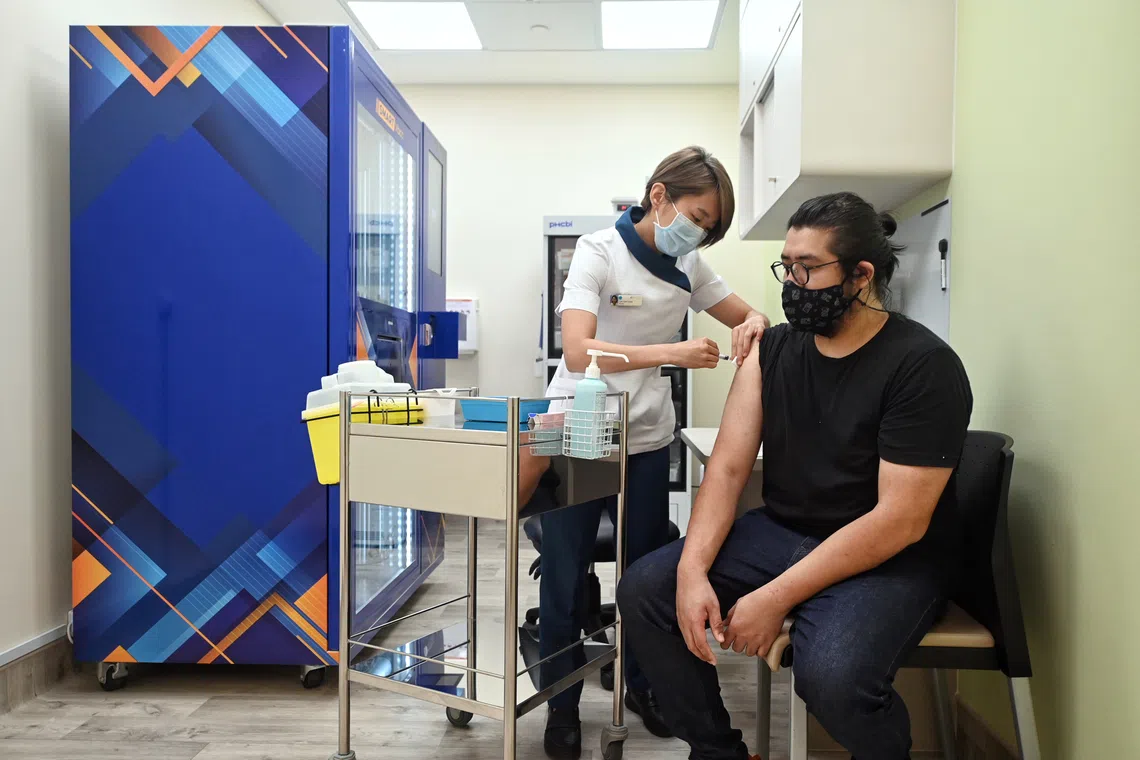
Hsu emphasized that because influenza circulates continuously and case numbers never drop completely to zero, ongoing immunization and rigorous hygiene remain essential mitigation tools. This protection proves especially critical for vulnerable populations, including the very young and the elderly, for whom influenza complications can escalate rapidly.
Leong Hoe Nam, an infectious diseases specialist in private practice, offered a parallel perspective, suggesting that positivity rates could soon be assumed to start dropping as the island nation reaches the tail end of the current peak season. Despite this potential stabilization, Leong similarly urged vulnerable demographics to secure their vaccinations, even if they received a jab during the previous year.
Protection requires updated immunization because only vaccines administered from April 2026 onward offer targeted defense against the circulating H3N2 strain, as Leong noted while pointing out that vaccine effectiveness in elderly patients is historically lower.
Preventive Measures and Community Health Guidelines
To curb further community transmission, health authorities outline specific behavioral protocols for residents experiencing acute respiratory symptoms. Individuals exhibiting mild signs of infection should remain at home until symptoms completely resolve. When venturing out becomes unavoidable, residents are advised to minimize social interactions, wear a suitable face mask, and strictly avoid crowded venues or close contact with medically vulnerable individuals.
The CDA strongly recommends that populations at high risk for severe influenza complications receive annual vaccine doses. This targeted group explicitly includes adults aged 65 and older, young children between six months and five years of age, and individuals managing underlying chronic medical conditions.
As health monitoring continues across local clinics and hospitals, maintaining strict personal hygiene and adhering to vaccination schedules remain the primary lines of defense against seasonal viral shifts.