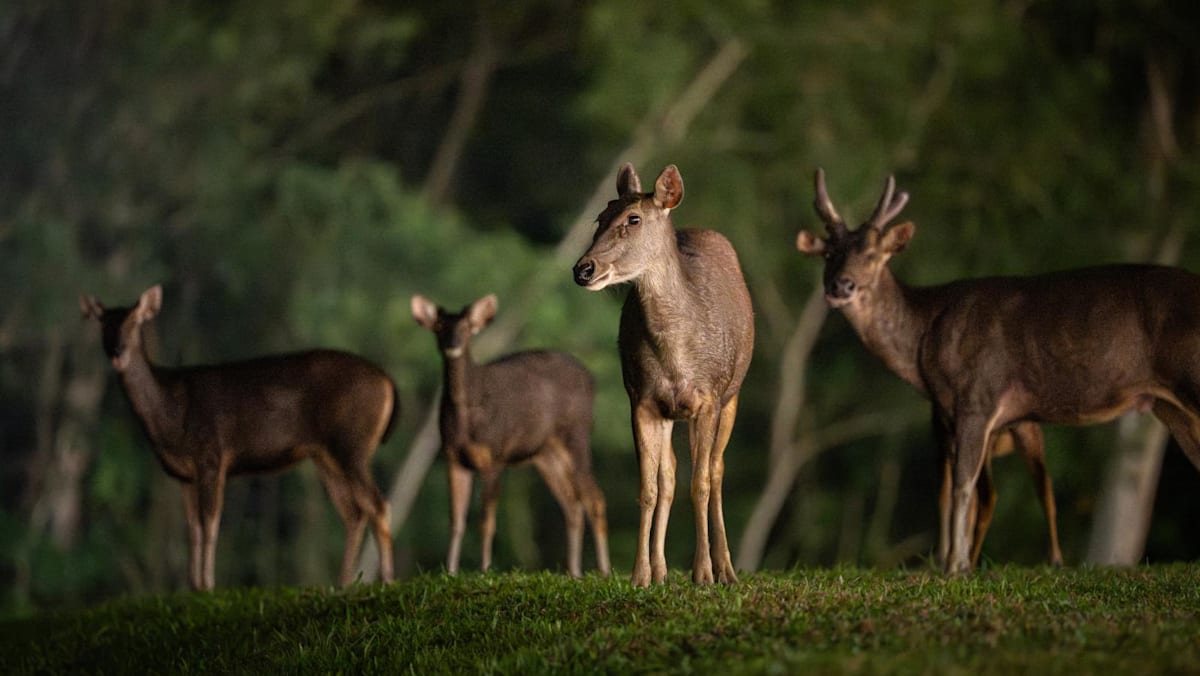
Singapore Sambar Deer Population Surges From 15 to 120 in Five Years
The population of sambar deer in Singapore has expanded significantly, rising from an estimated 15 individuals in 2021 to 120 animals today, according to data from the National Parks Board (NParks). This population growth follows efforts to monitor the species, which was once thought to have been extirpated from the island by 1950.
Tracking the Population Surge
The recent increase in sightings is attributed to a combination of improved monitoring technology and the adaptability of the deer. Researchers have deployed camera traps across various forested areas to track movement and estimate population density. The data indicates that the animals, which are non-native to the island, are successfully breeding in the wild. Experts suggest that these deer are likely descendants of individuals that escaped from local zoos or private collections in the past.
The sambar deer, known for their large size and nocturnal habits, have been observed moving through fragmented green corridors. While the rapid growth in numbers has surprised some observers, the species is currently navigating an urban landscape where high-speed vehicle traffic and limited habitat connectivity present ongoing survival challenges.
Management and Ecological Impact
As the number of sambar deer grows, authorities are evaluating the potential impact on local biodiversity. The species is a large herbivore capable of altering vegetation structure through foraging, which can influence the regeneration of native plant species. NParks officials are currently conducting studies to determine how the deer interact with the existing ecosystem and whether their presence threatens the recovery of native flora.
The agency is also considering strategies to manage potential human-wildlife conflicts. As the deer range further into areas adjacent to residential zones and major roadways, the risk of vehicle collisions has become a primary concern for traffic safety and animal welfare.
The National Parks Board maintains that further research is required to establish a long-term management plan. They are currently analyzing data from the recent census to finalize policies regarding the future of the species within the country’s borders.