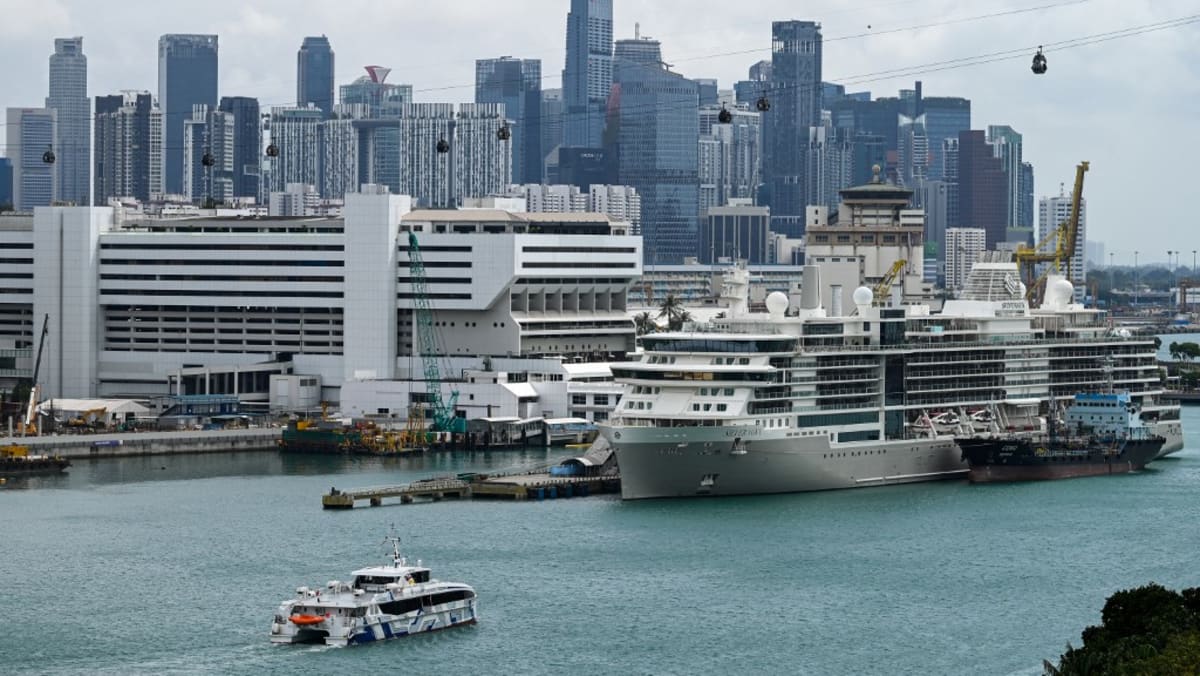
Singapore Cruise Industry Navigates Soaring Fuel Costs: Slower Speeds & Fewer Promotions
Singapore’s cruise industry is navigating a fuel cost crisis by slashing vessel speeds, rerouting ships, and cutting promotions—yet demand remains resilient, with international arrivals up 10% year-over-year in March 2026. The Middle East conflict has sent marine fuel prices soaring, forcing operators to rethink operational efficiency while airlines and cargo firms face worse disruptions. For cruise lines, the fiscal math is brutal: every knot shaved off speed cuts fuel burn by 5-7%, but the margin squeeze is pushing consolidation and B2B partnerships to the fore.
The Fiscal Tightrope: How Fuel Costs Are Redefining Cruise Economics
Marine fuel prices—already volatile—have been exacerbated by the Middle East crisis, creating a supply chain shock for an industry where fuel can account for 20-30% of total operating costs. Cruise operators are now trading off capacity utilization against variable cost optimization, a calculus that favors slower speeds and longer port stays. The Singapore Tourism Board’s data shows international cruise arrivals jumped 10% YoY in March, but the underlying EBITDA margins are under pressure. For publicly traded cruise lines, this translates to a revenue multiple compression—investors are now pricing in lower growth assumptions.
“The fuel crisis is forcing a structural shift in how cruise lines allocate capital. We’re seeing a bifurcation: the deep-pocketed players are investing in LNG-ready vessels, while mid-tier operators are outsourcing fuel hedging to specialized marine fuel trading desks.”
Three Ways the Industry Is Adapting—And Where the Risks Lie
- Speed Reduction as a Cost Lever: Cruise lines are cutting speeds by 1-3 knots, which can reduce fuel consumption by up to 15% per voyage. However, this extends transit times, increasing crew labor costs and port fees. Operators are now evaluating dynamic routing software to balance fuel savings against passenger dissatisfaction.
- Promotional Scaling Back: Discounts and last-minute deals—once a staple of cruise marketing—are being slashed. The industry’s customer acquisition cost (CAC) is rising, forcing a pivot to high-margin repeat bookings and loyalty programs. This shift is accelerating demand for performance-driven cruise marketing firms that can optimize yield management.
- Port Diversification: With Middle East routes disrupted, Singapore’s cruise terminals are seeing a surge in transshipment traffic from Southeast Asia. The Singapore Tourism Board’s Chitra Rajesh Kumar noted that Indonesia, mainland China, and Malaysia are now the top three source markets, but visa restrictions and geopolitical risks remain wild cards.
The B2B Playbook: Who’s Profiting from the Crisis?
The cruise industry’s pain is creating opportunity for three categories of B2B providers:

- Marine Fuel Hedging & Logistics
With fuel costs now a top-line variable, cruise lines are turning to specialized marine fuel trading platforms to lock in prices. Firms like BunkerIndex are seeing increased demand for forward contracts and dynamic pricing models that adjust to geopolitical flashpoints. For private equity-backed cruise operators, this means higher working capital requirements, creating a tailwind for structured finance boutiques that can package fuel hedging as a balance sheet asset.
SINGAPORE CRUISE INDUSTRY: Disney Adventure expected to attract several million passengers – STB - Operational Efficiency Tech
The push for slower speeds and optimized routes is driving adoption of AI-driven voyage optimization tools. Companies like Wärtsilä are seeing cruise lines integrate real-time fuel consumption analytics with weather routing to shave costs without alienating passengers. The total addressable market (TAM) for these solutions in the cruise sector is estimated at $500M+ by 2027, per a 2025 report from McKinsey.
- Legal & Regulatory Arbitrage
The Middle East crisis has exposed gaps in force majeure clauses in cruise contracts. Operators are now scrambling to renegotiate charter agreements and port service contracts, creating demand for specialized maritime law practices. Firms like Hogan Lovells’ Maritime Practice are advising on fuel price escalation clauses and route deviation liabilities. The average hourly rate for these services has climbed 20% YoY, reflecting the urgency.
The Long-Term Outlook: A Consolidation Playbook
The cruise industry’s response to fuel costs is a microcosm of a broader capital allocation shift in shipping. For private equity and sovereign wealth funds, the playbook is clear: acquire distressed assets, optimize fuel efficiency, and exit within 3-5 years. The enterprise value (EV) multiples for cruise operators have already compressed from 8-10x EBITDA in 2023 to 6-8x today, creating a buyer’s market for consolidation.

“The fuel crisis is accelerating the death of the ‘asset-light’ cruise model. Investors are now demanding hard asset control—meaning they want to own the ships, not just the bookings. This is a tailwind for specialized ship financing banks and turnaround specialists who can restructure balance sheets.”
The next 12 months will separate the cost leaders from the value destroyers. For cruise lines, the path forward isn’t just about surviving the fuel crisis—it’s about replatforming for a higher-cost environment. That means deeper partnerships with fuel hedging firms, yield management tech providers, and legal arbitrage specialists. The question isn’t whether the industry will adapt—it’s how quickly.
For a vetted directory of B2B providers solving these exact challenges, explore World Today News’ Global Directory. The window for strategic positioning is closing.
- Indigenous Leaders Express Cautious Optimism Toward Parti Québécois Mandate
- Business Confidence Drops as Investment and Orders Fall, rpp.pe Reports
- Why Cruise Ships Don't Fly the American Flag (daybreakwire.com)
- George Russell to start last in Singapore after grid penalty: De Telegraaf (newsdirectory3.com)