
Singapore Airlines: 25% Off Seat Selection & 10% Off Student Fares – 2026 Promo
Singapore Airlines (SIA) launches a dual-pronged tactical promotion running through April 16, 2026, targeting ancillary yield and demographic segmentation. The carrier offers a 25% reduction on seat selection fees and an incremental 10% discount on student fares to seven key long-haul markets. This move signals a strategic pivot to optimize load factors in premium economy while securing early booking commitment from the high-value student demographic ahead of the Northern Hemisphere summer travel peak.
Let’s cut through the marketing fluff. This isn’t charity; it’s yield management.
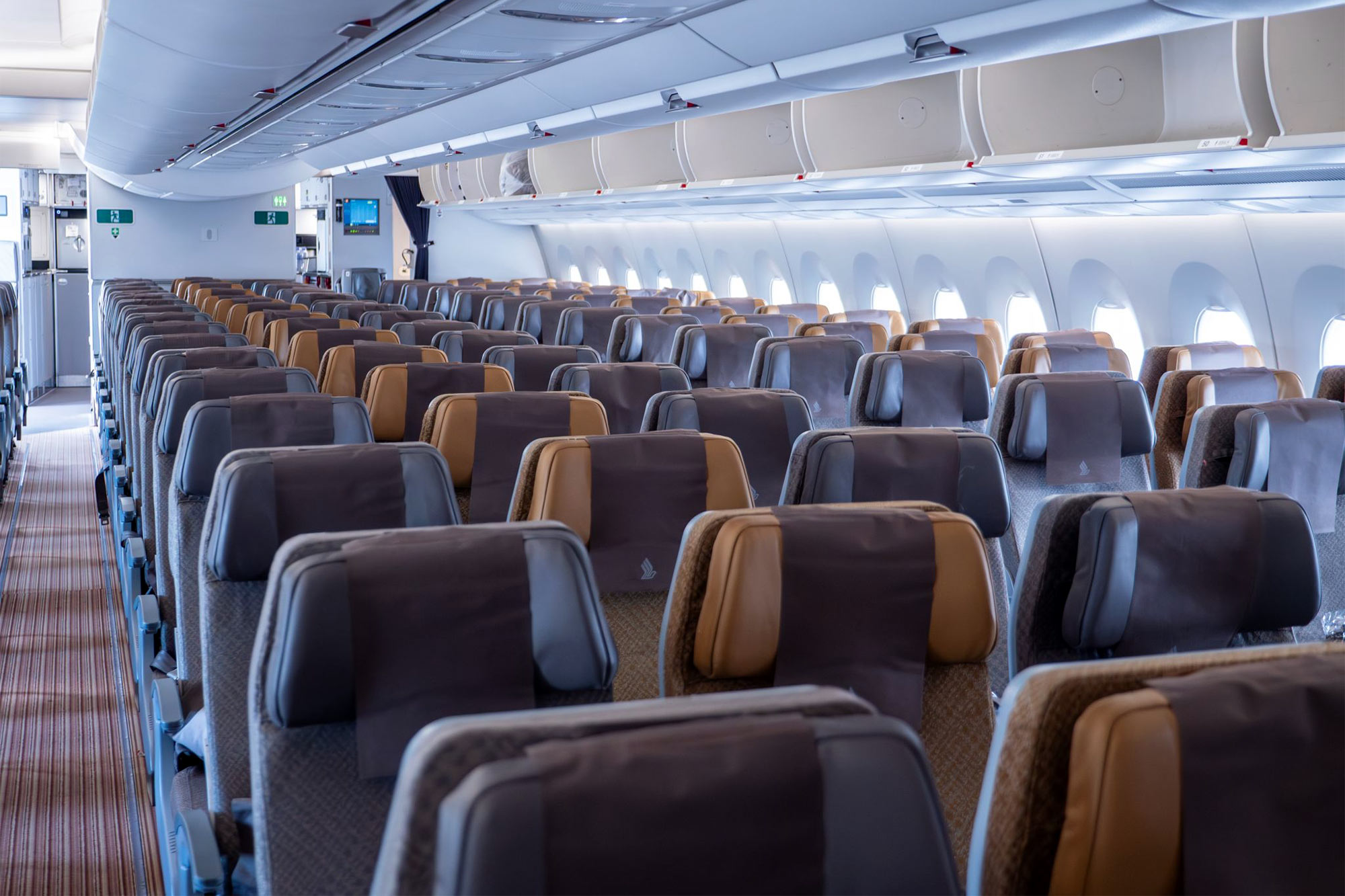
When a legacy carrier like SIA discounts ancillary products—specifically seat selection—it indicates a calculated effort to monetize inventory that typically suffers from low attach rates. In the current fiscal climate, where jet fuel volatility remains a persistent headwind, airlines are aggressively pivoting toward non-ticket revenue streams. According to the airline’s latest full-year financial statements, ancillary revenue has become a critical buffer against operational cost inflation. By slashing seat selection fees by a quarter, SIA is effectively lowering the barrier to entry for premium cabin comfort, betting that the volume of upsells will outweigh the margin compression on individual seats.
The mechanics of the deal are specific. Between March 26 and April 16, 2026, passengers can secure standard, forward zone, and extra legroom seats at a 25% discount. This stacks with existing KrisFlyer tier benefits, creating a complex pricing matrix that rewards loyalty while capturing casual travelers. For the corporate traveler, this fragmentation of pricing models creates administrative friction. Managing travel policies across varying fare classes and ancillary discounts requires robust oversight. Mid-sized enterprises often lack the internal bandwidth to track these fleeting promotions, leading to leakage in travel budgets. Here’s precisely where specialized corporate travel management firms add value, utilizing automated policy engines to capture these transient savings without compromising compliance.
The second pillar of this campaign targets the student demographic, a segment airlines covet for its long-term lifetime value. Verified students receive an additional 10% off already discounted student fares to destinations including London, Los Angeles, and Sydney. While the immediate revenue impact is marginal compared to business class yields, the strategic intent is clear: brand acquisition. Capturing a student during their formative travel years often locks in loyalty for their future corporate travel needs.
Still, the execution reveals a constraint. The student discount applies only to Economy Lite and Value fares, restricting flexibility. For university groups or educational institutions coordinating large-scale study abroad programs, navigating these restrictive fare rules alongside complex visa requirements creates significant logistical overhead. Institutions often turn to specialized educational travel coordinators to bundle these fragmented tickets into manageable itineraries, ensuring that the 19-20% total discount isn’t eroded by administrative fees or booking errors.
From a market perspective, SIA’s aggression in Q2 2026 aligns with broader industry trends. Capacity in the Asia-Pacific region has normalized post-pandemic, leading to fierce competition on long-haul routes. Data from the International Air Transport Association (IATA) suggests that while passenger numbers have recovered, yield per available seat kilometer (YASK) is under pressure as carriers fight for market share. SIA is using these promotions to stimulate demand in the shoulder season, smoothing out the revenue curve before the peak summer rush.
“We are seeing a distinct shift where ancillary revenue is no longer just ‘extra’; it is becoming a core component of the P&L strategy for full-service carriers. The ability to dynamically price seat selection based on real-time demand is the fresh frontier.”
This dynamic pricing environment demands sophisticated backend infrastructure. The ability to stack a 25% promo code on top of a tiered loyalty discount requires real-time revenue management systems that can calculate marginal profitability instantly. Legacy IT systems often struggle with this level of granularity, leading to pricing errors or missed revenue opportunities. We are seeing a surge in demand for advanced revenue management software providers who can integrate these complex rule sets without disrupting the core booking engine.
The financial implications extend beyond the ticket. Consider the cost of seat selection on a long-haul flight to the US or Europe. Pre-promotion, an extra legroom seat could cost upwards of US$130. A 25% reduction brings this to US$97.50. For a family of four, that is a tangible saving of US$130, effectively subsidizing a portion of the ground transfer or hotel stay. This psychological pricing tactic increases the perceived value of the ticket, potentially swaying a customer who is comparing SIA against a Gulf carrier or a European competitor.
Yet, risks remain. Over-reliance on discounting can erode brand premium. SIA has built its reputation on service excellence, not price wars. If the market begins to expect perpetual discounts on seat selection, the carrier may find it difficult to revert to full pricing in Q4. The challenge for the CFO’s office is to treat this as a tactical inventory clearance rather than a structural price reset.
Looking ahead to the second half of 2026, expect other carriers in the Star Alliance network to mirror these tactics. As capacity increases on routes like Singapore-Frankfurt and Singapore-Los Angeles, the battle for the yield-conscious traveler will intensify. For investors, the key metric to watch in the upcoming quarterly earnings call will not be total passenger numbers, but the ancillary revenue per passenger. If SIA can maintain high attach rates for premium seats despite the discount, the strategy is a success. If volume spikes but yield collapses, the promotion may have been a costly error.
For the broader business ecosystem, this volatility underscores the require for agile financial planning. Companies exposed to travel costs must hedge their exposure, while service providers must adapt their offerings to match the fragmented nature of modern air travel pricing. The directory serves as a critical nexus for finding the partners capable of navigating this complexity, from legal firms specializing in aviation contracts to fintech solutions that automate expense management in a multi-currency, multi-fare environment.