
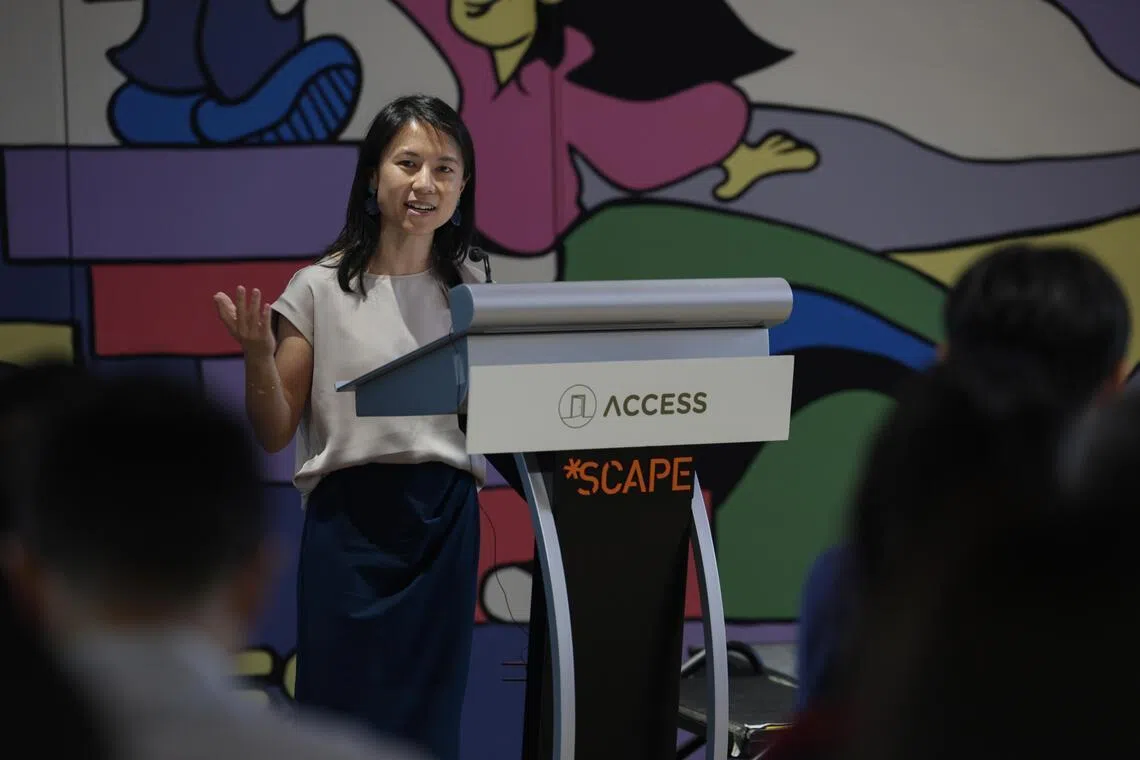
Singaporean polytechnic graduates now have a new pathway to launch their careers with the introduction of an 18-month apprenticeship programme, launched by social mobility charity Access Singapore on February 11, 2026. The programme offers 16 roles across diverse sectors, including hospitality, auditing, community engagement, and energy, with salaries ranging from $2,700 to $3,800 per month.
The initiative aims to address challenges faced by polytechnic graduates, including doubts about career advancement, limited access to mentorship, and difficulties adapting to workplace cultures, according to Access Singapore. A 2025 survey conducted by the charity, with responses from 400 polytechnic graduates with less than three years of full-time employment, revealed that 44% expressed concerns about their opportunities for career progression.
The programme will begin with two weeks of classroom training at Access Singapore to enhance professional skills before participants transition into their 18-month apprenticeships. Throughout the programme, graduates will have access to professional courses at the Singapore University of Social Sciences, complimentary LinkedIn Premium membership and coaching, networking opportunities, peer programmes, and bi-monthly check-ins. At the conclusion of the apprenticeship, participants will be evaluated for potential full-time employment.
Partner companies participating in the inaugural run include BP Singapore, EY Singapore, and Pontiac Land Group, which operates luxury hotels such as The Ritz-Carlton and Capella. The programme’s funding comes from the societal impact arm of investment firm Macquarie Group, with partner companies covering relevant employment costs.
Senior Parliamentary Secretary for Culture, Community and Youth, and Sustainability and the Environment, Ms Goh Hanyan, highlighted the evolving job market for young Singaporeans, shaped by the post-pandemic context, the rise of artificial intelligence, and a shifting global order. “For many young Singaporeans, the Singapore Dream starts with having meaningful work,” Ms Goh said, emphasizing the importance of purpose and cultural alignment in the workplace.
Zhuo Junhui, a cybersecurity student at Nanyang Polytechnic, expressed surprise at the programme’s structure, initially believing apprenticeships were limited to blue-collar industries. “I always thought apprenticeships were strictly for blue-collar industries,” he said, adding that he was pleased to find the programme would treat participants as full-fledged employees. He plans to use the apprenticeship as an option after completing his national service, while also pursuing a degree in computer science or information security.
The launch of the Access Singapore apprenticeship programme follows the release of the latest Graduate Employment Survey by the five polytechnics in January 2026, which showed that 54.2% of polytechnic graduates were in full-time permanent jobs six months after graduating, earning an average salary of $3,000. Approximately 28.2% were in part-time or temporary employment, while smaller percentages were freelancing, accepting jobs with delayed start dates, or actively pursuing entrepreneurial ventures.
Applications for the programme, which opened in January 2026, are currently open to polytechnic students graduating in 2026, as well as those who graduated in the last two years, and will close in March. Approximately 100 applications have been received for the 16 available vacancies.
