
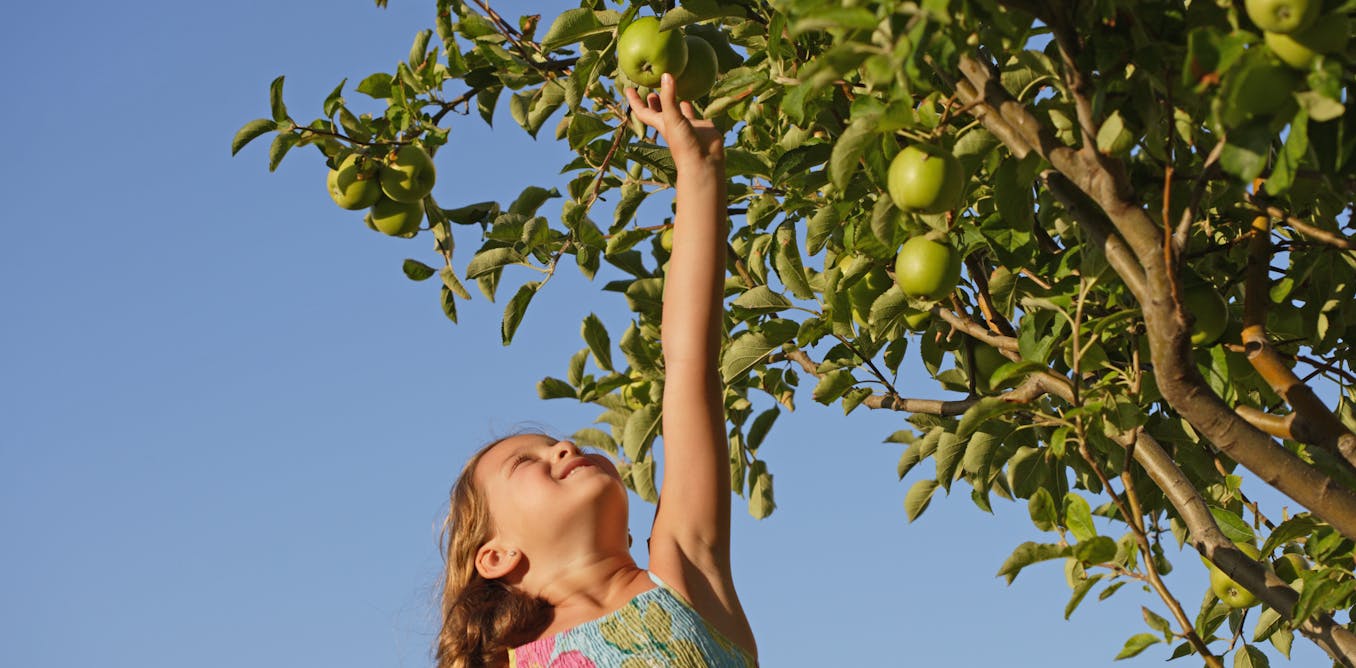
Fruit is a Healthy Treat, Not a Threat for Kids
Debunking Myths: Why Whole Fruits Are Essential for Children’s Well-being
Parents often face conflicting advice regarding their children’s fruit consumption, with some labelling it “bad” due to sugar content. However, this notion is largely a misconception fueled by the “sugar-free” movement, which unfairly targets naturally sweet foods.
Distinguishing Healthy vs. Unhealthy Sugars
It’s crucial to differentiate between sugars found naturally in whole fruits and those added to processed foods. Whole fruits are packed with essential vitamins like A, C, and E, alongside minerals such as magnesium, zinc, and folic acid, crucial for growth and development. Fruits like bananas, berries, apples, and mangoes offer sustained energy and vital nutrients.
The fibre content in fruit, both insoluble in skins and soluble in flesh, aids digestion and helps maintain healthy cholesterol levels. This fibre can also contribute to reducing the long-term risk of stroke and heart disease in children.
Conversely, “added sugars” contribute empty calories, often found in sweets, cakes, soft drinks, and even seemingly healthy packaged items like muesli bars. These sugars are frequently disguised under numerous names on ingredient lists, making them difficult for consumers to identify.
Sugar’s Link to Weight and Diabetes Re-examined
Claims that sugar directly causes diabetes are unsubstantiated. Type 1 diabetes is an autoimmune condition unrelated to sugar intake. Type 2 diabetes is primarily linked to excess body weight, which impairs the body’s functioning, rather than sugar consumption itself.
A diet rich in added sugars from processed foods can lead to excessive calorie intake and weight gain, potentially increasing the risk of developing type 2 diabetes later in life. In contrast, research indicates that children who consume more fruit tend to have less abdominal fat. Studies suggest that increasing fruit intake, even to 1.5 servings daily, may significantly lower the risk of developing type 2 diabetes.
A recent analysis highlighted that in the UK, 85% of children aged 4-10 consume more than the recommended daily sugar limit, largely due to processed snacks and sugary drinks, underscoring the need to redirect children towards healthier options like fruit. (Action on Sugar, 2023)
The Pitfalls of Processed Foods
Diets high in added sugars can lead to nutritional deficiencies as processed foods often lack vital nutrients. These “discretionary foods” can displace healthier options like fruits, vegetables, whole grains, and lean meats, resulting in inadequate fibre and essential nutrients for proper growth.
The article emphasizes that parents should encourage children to eat whole fruits generously. Their nutritional value and filling nature can reduce cravings for processed, calorie-dense foods. While juiced and dried fruits are less ideal due to the removal of fibre and concentration of sugars, whole fruits remain a powerhouse of goodness.
Current nutritional guidelines recommend specific serving sizes for fruit based on age. However, the advice is that these guidelines may need updating to reflect the health benefits of abundant fruit consumption. The focus should remain on reducing intake of processed foods with added sugars, positioning fruit as “nature’s treats” to keep unhealthy sugars at bay.
