
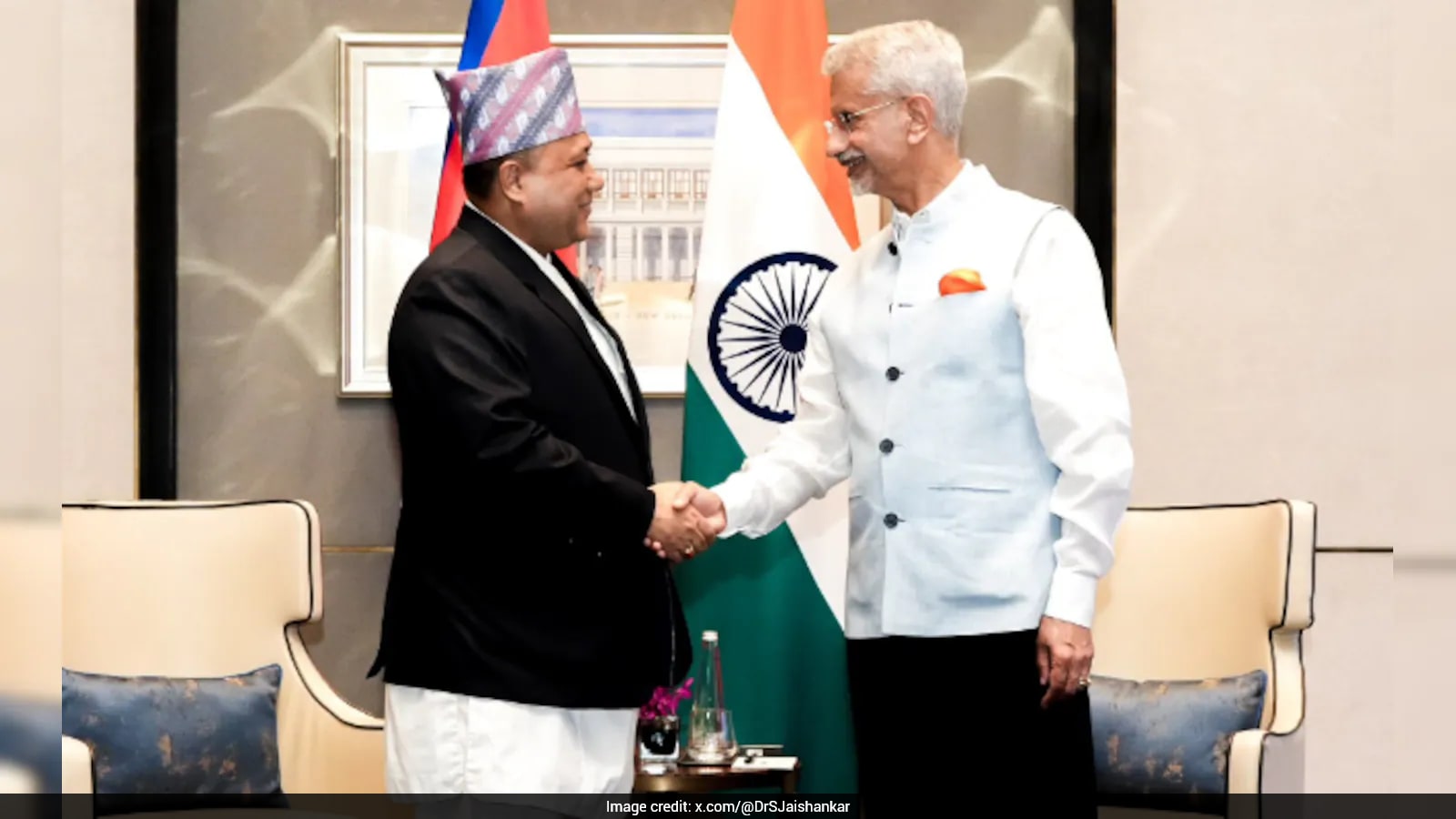
Shishir Khanal: Nepal to Move Beyond Distorted Geopolitical View of India
Nepal’s government is calling for a reset in diplomatic relations with India, moving to resolve long-standing border disputes through direct, high-level dialogue. Shishir Khanal, representing the new administration in Kathmandu, stated on June 7, 2026, that the nation seeks to move past the “distorted, hyper-sensitive lens of 21st-century geopolitics.”
Shifting the Diplomatic Paradigm
The current push for “open-heart” talks marks a distinct departure from the guarded rhetoric that has historically defined relations between Kathmandu and New Delhi. For years, the border discourse has been dominated by territorial claims that often stalled broader economic and infrastructure cooperation. By explicitly rejecting the “distorted” view of regional dynamics, Khanal is signaling that the current government intends to prioritize pragmatic problem-solving over historical grievances.
This pivot is not merely rhetorical; it is a tactical effort to clear the path for regional integration. When border disputes remain unresolved, they create significant friction for cross-border trade, infrastructure projects, and the movement of goods. For businesses and logistics firms caught in this bureaucratic gridlock, the current climate of uncertainty acts as a tax on efficiency.
“The refusal to view our neighbor through a lens of hyper-sensitivity is the first step toward a functional, modern partnership. We are moving from a posture of suspicion to one of strategic clarity.”
The Economic Cost of Border Friction
The uncertainty surrounding disputed territories has long-term implications for regional development. When legal jurisdiction remains unclear, investors are often hesitant to commit to large-scale projects near the border. This hesitation impacts sectors ranging from international trade law to cross-border logistics.
For organizations operating in the region, the unpredictability of customs regulations and shifting border policies creates a logistical minefield. Companies must frequently consult with specialized geopolitical risk analysts to navigate the shifting requirements that follow every diplomatic fluctuation. Without a stable framework for border management, the cost of doing business remains artificially inflated.
Historical Context and Modern Challenges
The relationship between India and Nepal has been shaped by the 1950 Treaty of Peace and Friendship, a document that, while foundational, has been the subject of periodic calls for revision by various political factions in Nepal. The current administration’s desire for “open-heart” talks suggests a preference for updated, bilateral understandings rather than reliance on colonial-era frameworks.
The complexity of these negotiations often requires deep expertise in both international law and local administrative policy. As the two nations attempt to reconcile their positions, the role of commercial mediation experts becomes increasingly vital for firms attempting to maintain supply chain continuity during periods of diplomatic transition.
| Focus Area | Current Diplomatic Status | Anticipated Outcome |
|---|---|---|
| Border Delimitation | Active Dispute | Direct, High-Level Dialogue |
| Trade/Customs | Regulated/Restricted | Streamlined Policy Framework |
| Geopolitical Stance | Hyper-Sensitive | Pragmatic/Open Engagement |
Navigating the Future of Regional Cooperation
The path forward requires more than just political will; it necessitates a robust administrative infrastructure capable of implementing new agreements. As Kathmandu and New Delhi move toward these talks, the primary hurdle will be translating high-level diplomatic goodwill into tangible policy changes on the ground.
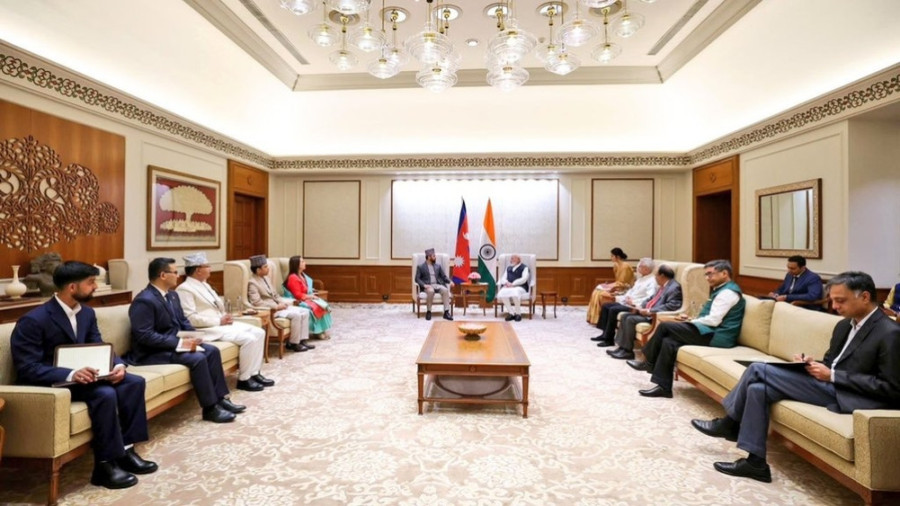
Observers note that the success of this initiative will depend on the ability of both nations to insulate economic cooperation from the volatility of domestic politics. For those tracking these developments, staying informed through professional advocacy and advisory services is essential. These entities help firms interpret how new diplomatic signals will impact municipal laws and regional trade compliance.
The June 7, 2026, announcement serves as a baseline for a new era of engagement. Whether this “open-heart” approach will lead to a permanent resolution remains to be seen, but the intent to bypass the “distorted” narratives of the past is a clear signal of change. As the situation evolves, the onus remains on both state actors and the private sector to adapt to a more transparent, if still challenging, diplomatic landscape.
The risk of inaction remains high for those who ignore the shifting tides of regional diplomacy. As border policies undergo potential reform, businesses must ensure they are aligned with the latest regulatory mandates. Engaging with vetted regional consultants will be the most effective way to protect assets and ensure operational continuity as the borders—and the policies governing them—begin to change.