Shigeru Miyamoto says generative AI will elevate individual vision
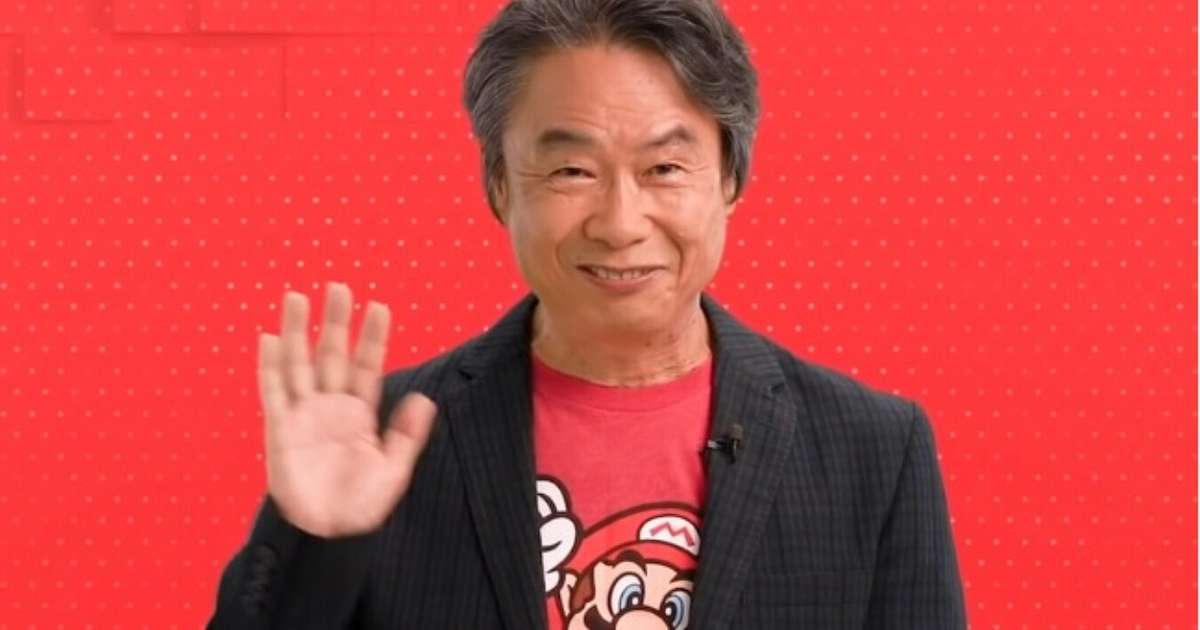
Shigeru Miyamoto stood before the media in Japan to receive the country’s prestigious Order of Culture, offering a rare meditation on an industry-wide anxiety.
The 73-year-old creator of Mario and Zelda addressed the rise of generative artificial intelligence by comparing it to historical leaps in office technology. Rather than displacing human talent, he argued, automation will ultimately elevate an individual designer’s unique vision.
Miyamoto Compares AI to Early Word Processors
Drawing on decades of industry experience, Miyamoto compared current anxieties surrounding generative artificial intelligence to earlier transformations in computing tools.
According to reporting from Xataka, the Nintendo creator noted that his generation lived through a period of rapid technological evolution that moved offices from mechanical typewriters to early word processors. In Miyamoto’s view, those shifts did not diminish the role of writers or designers. Instead, they made individual talent stand out more clearly, pointing to generative artificial intelligence as a remarkably similar transitional phase for software creation.
Shigeru Miyamoto says even with the rise of generative AI, he believes humans will always have a role to play!“Looking back at past designs, there are some that were created merely by copying and pasting. Yet, such work rarely stands the test of time; it lacks the individual’s… pic.twitter.com/rnrUEpdxt8”
Separating Imagination From Manual Labor
The design process, as Miyamoto sees it, requires a strict separation between the initial spark of imagination and the physical execution required to build a video game.
As detailed in the Xataka coverage, he pointed out that conceiving an idea is entirely distinct from spending long hours executing it. When developers set out to build a project, they establish a broad structural framework before tackling the manual labor of filling in gaps and refining minute details.

The Hidden Risks of Tedious Toil
Efficiency carries its own psychological pitfalls in the studio.
Miyamoto cautioned that the deep satisfaction derived from the manual act of creation carries a hidden risk. Designers can easily mistake the personal gratification of tedious labor for inherent high quality in the final product.
Preserving Authorial Intent Against Automation
Stripping away repetitive labor allows creators to focus on foundational intent.
When artificial intelligence assumes routine chores, it creates more opportunities for professionals to evaluate what truly matters in a project. Xataka noted that Miyamoto warned against relying on superficial copy-and-paste methods, emphasizing that creative works built without genuine authorial intent rarely survive the test of time.
Nintendo’s Shigeru Miyamoto says AI could have ‘positive’ impact on gaming https://t.co/GeHTWZv0hV
He expressed steady confidence that human creators will retain an indispensable function, maintaining that even if artificial intelligence eventually assumes every automated task, a vital role will always remain for human creators.