
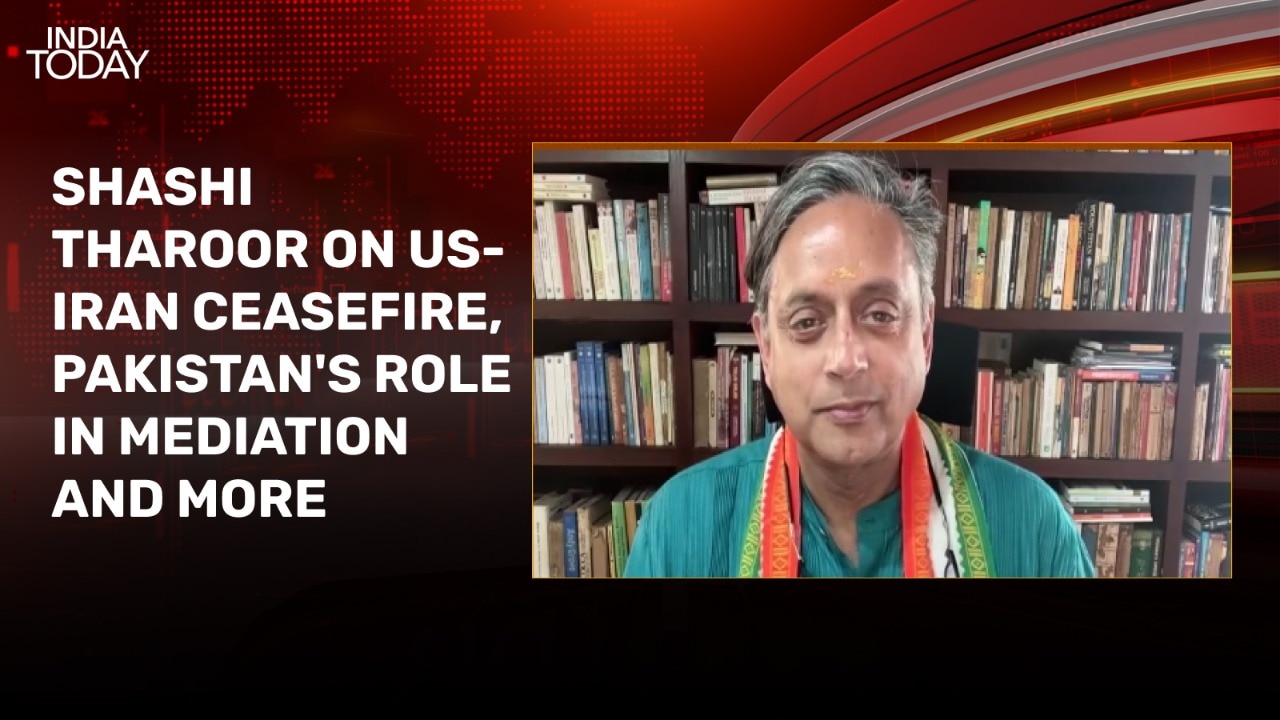
Shashi Tharoor: Peace in Iran Is in India’s Interest Regardless of Mediator
On April 9, 2026, Shashi Tharoor, a prominent Indian diplomat and politician, asserted that stability and peace in Iran are critical to India’s national interests, regardless of which international party mediates the resolution. This stance emphasizes India’s strategic autonomy in the Middle East amidst fluctuating geopolitical tensions and energy security needs.
The stakes here aren’t just diplomatic; they are visceral. When the Persian Gulf flickers with instability, the ripple effects hit the gas pumps in Mumbai and the shipping lanes of the Strait of Hormuz. For India, Iran is not merely a neighbor of a neighbor—it is a gateway to Central Asia and a vital node in the International North-South Transport Corridor (INSTC).
The problem is clear: geopolitical volatility creates a vacuum of predictability. For businesses operating in the region, this instability manifests as sudden sanctions, disrupted supply chains, and skyrocketing insurance premiums for maritime freight. When the “who” of mediation becomes secondary to the “result” of peace, it signals a pragmatic shift in Indian foreign policy—prioritizing stability over ideological alignment.
The Strategic Calculus of the INSTC and Energy Security
To understand why Tharoor is championing peace in Iran, one must look at the map. The International North-South Transport Corridor is designed to bypass the traditional Suez Canal route, slashing transit times to Russia and Europe. However, this corridor relies heavily on the stability of Iranian ports like Chabahar.
If Iran descends further into chaos or becomes the epicenter of a regional war, the INSTC becomes a dead letter. This isn’t just a government concern; it’s a corporate nightmare. Logistics firms and exporters are currently scrambling to hedge their bets. Many are now seeking international trade attorneys to draft contingency clauses that protect assets against sudden geopolitical “force majeure” events.
The economic interdependence is staggering. India’s energy security is inextricably linked to the stability of the Gulf. Any escalation involving Iran threatens the flow of crude oil and LNG, which would trigger inflationary pressures across the Indian subcontinent.
“The shift toward a ‘results-oriented’ mediation policy suggests that New Delhi is no longer waiting for a Western-led consensus. We are seeing the emergence of a multi-polar diplomacy where stability is the only currency that matters.”
This quote, attributed to Dr. Aruna Singh, a senior fellow at the Institute for Strategic Studies, highlights the departure from traditional Cold War-era alignments. India is signaling that it will work with any mediator—be it Qatar, Oman, or even a China-led initiative—provided the outcome is a ceasefire and a return to predictable trade.
Navigating the Sanctions Minefield
Peace in Iran sounds simple, but the execution is a legal labyrinth. The United States’ primary sanctions regime on Iran creates a “chilling effect” on global trade. Even when India seeks peace, it must navigate the treacherous waters of the Office of Foreign Assets Control (OFAC) guidelines.
For the average business owner, the risk of “secondary sanctions” is a constant threat. A single transaction with a sanctioned Iranian entity can lead to a company being blacklisted from the US financial system. This creates a desperate need for rigorous compliance frameworks. Companies are increasingly relying on risk management consultants to perform deep-dive due diligence on their regional partners to avoid catastrophic legal failures.
Consider the following breakdown of the current geopolitical friction points:
| Friction Point | Impact on India | Proposed Solution/Mitigation |
|---|---|---|
| Strait of Hormuz Closure | Immediate spike in oil prices | Diversification of energy imports via Strategic Petroleum Reserves |
| US-Iran Sanctions | Blocked trade and payment systems | Development of alternative currency payment mechanisms (Rupee-Rial) |
| INSTC Delays | Increased cost of goods from Eurasia | Investment in multi-modal infrastructure and civil engineering firms for port expansion |
The volatility doesn’t just affect the macro-economy; it hits the municipal level. Port cities like Mumbai and Kochi see immediate shifts in customs volumes and warehousing demands when Middle Eastern tensions flare. Local municipal laws regarding bonded warehouses and transit zones are often stressed by these sudden surges in diverted cargo.
The Diplomacy of Pragmatism
Tharoor’s assertion that the mediator “doesn’t matter” is a calculated piece of rhetoric. It is an invitation for all players to bring a solution to the table. By decoupling the process of mediation from the outcome of peace, India is positioning itself as a “bridge power.”
This approach is mirrored in India’s relationship with the United Nations, where it has consistently pushed for a more inclusive security architecture in the Middle East. The goal is a regional security framework that doesn’t rely on a single superpower’s hegemony but rather on a web of mutual interests.
But diplomacy is only as good as the infrastructure that supports it. As India pushes for peace, it must simultaneously build the legal and financial rails to make that peace profitable. This includes the creation of bilateral insurance guarantees and the strengthening of diplomatic missions in Tehran and Muscat.
The human cost of failure is too high. We have seen how regional instability leads to mass migration and the disruption of remittance flows—billions of dollars that support millions of families across Kerala and Punjab.
the pursuit of peace in Iran is not an act of altruism; it is an act of survival. In a world of shifting alliances, the only true security is stability. As the geopolitical landscape continues to warp, the ability to find verified, expert guidance becomes the difference between thriving and collapsing. Whether you are a corporation navigating sanctions or a citizen affected by energy price hikes, the solution lies in connecting with the right professionals. The World Today News Directory remains the definitive resource for finding the verified legal and financial experts capable of navigating these global storms.