SGLT2 Inhibitors Associated With 16% Reduction in Serious Hyperkalaemia Risk
Sodium-glucose cotransporter 2 (SGLT2) inhibitors are associated with a 16% reduction in the risk of serious hyperkalaemia, according to a meta-analysis of randomized trial estimates and a critical evidence review published in Cureus.
The findings suggest these inhibitors may have a secondary treatment-enabling effect by reducing clinically important potassium events, potentially allowing patients to maintain established kidney-protective interventions.
Chronic kidney disease (CKD) serves as a predictor for kidney failure, cardiovascular events, and early death. Standard treatment typically involves blood pressure control, kidney and cardiovascular risk modifiers, and the blocking of the renin-angiotensin system (RAS). Angiotensin-converting enzyme inhibitors (ACEIs) and angiotensin receptor blockers (ARBs) are considered of key importance in albuminuric CKD.
However, the continued use of ACEIs and ARBs can be difficult because of the hypokinetic state of CKD, diabetes, worsening estimated glomerular filtration rate (eGFR), and the use of other medications that increase potassium levels. If potassium levels increase significantly or continue to rise, clinicians may need to stop RAS blockade or lower the dose. Such actions could result in patients being denied established kidney-protective interventions.
The KDIGO 2024 guideline recommends that hyperkalaemia caused by RAS inhibitors be managed as effectively as feasible, and cautions against the standard practice of withholding indicated ACEI/ARB therapy, while monitoring of renal function and potassium levels is essential for safe use.
While SGLT2 inhibitors are known to impact kidney outcomes in various CKD populations—including canagliflozin in the CREDENCE trial and benefits for people with and without diabetes in the DAPA-CKD and EMPA-KIDNEY trials—the mechanism regarding potassium is linked to effects on kidney hemodynamics, natriuresis, and tubular sodium delivery.
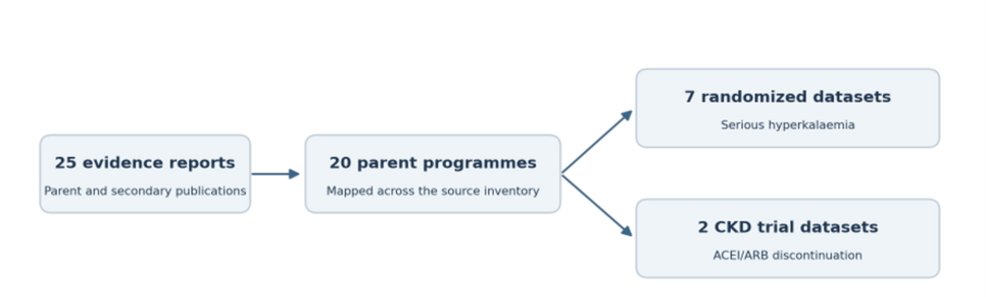
The meta-analysis evaluated the consistency of serious hyperkalaemia effects across published randomized trial estimates and the applicability of these effects to dedicated CKD populations.
Earlier studies on these effects incorporated a meta-analysis of six large randomized controlled trials utilizing individual participant data, which showed a diminished risk of laboratory-defined serious hyperkalaemia (HR 0.84, 95% CI 0.76-0.93) but no effect on hypokalaemia. A distinct analysis by Fletcher et al. combined participants from the CREDENCE and DAPA-CKD trials and discovered a 15% relative reduction in the temporary or permanent discontinuation of background ACEI/ARB.