
Severe Storms and Cold Fronts Hit Brazil: Cyclone Path and Weather Alerts
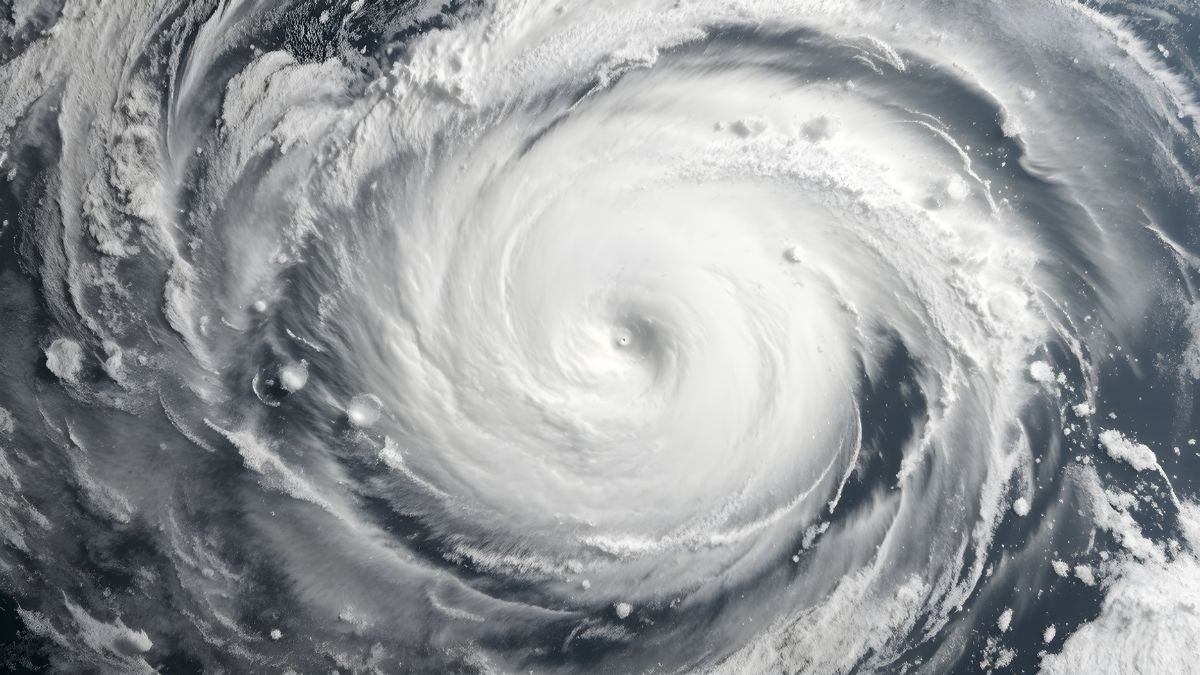
A severe weather system, characterized by a “cyclone route” and a powerful cold front, is currently battering five Brazilian states, including Rio Grande do Sul and Mato Grosso do Sul, as of April 7, 2026. These systems are triggering brutal winds and torrential rains, causing widespread infrastructure failure and agricultural disruption.
This isn’t just another seasonal storm. We are seeing a convergence of atmospheric instability that threatens to paralyze the southern cone of South America. When a “tiny hurricane” effect—as local meteorologists describe these intense low-pressure systems—hits an urban center, the result isn’t just wet streets; it is the systemic collapse of power grids and the flooding of critical logistics arteries.
The immediate problem is the speed of onset. Cities in the south are struggling to keep pace with the volume of water, leading to urgent needs for disaster response coordinators and specialized drainage engineers to prevent total urban inundation.
The Anatomy of the Southern Storm
The current crisis is driven by a massive cold air mass advancing over Brazil, clashing with warmer, humid air to create a volatile environment. This creates the “cyclone route,” a predictable but devastating path of destruction that moves through the southern states. In Rio Grande do Sul, while some systems are receding, the risk of sudden windstorms remains critical.

Historically, these events are becoming more frequent and intense. The interaction between the South Atlantic Convergence Zone and these extratropical cyclones has shifted, leading to higher precipitation peaks that exceed the design capacity of 20th-century infrastructure. This represents a macro-economic threat; the south is Brazil’s agricultural heartland. When the soil becomes saturated and winds flatten crops, the ripple effect hits global soy and corn futures.
“We are no longer dealing with predictable seasonal rains. The intensity of these wind gusts is compromising structural integrity in residential areas that were previously considered safe from storm surges.”
This quote reflects the growing alarm among urban planners in Porto Alegre and beyond. The damage isn’t limited to the immediate flood zone. High-velocity winds are shearing power lines and uprooting old-growth urban canopies, leaving thousands without electricity and blocking primary emergency routes.
Regional Impact and Infrastructure Vulnerabilities
The geography of this disaster is specific and punishing. In Mato Grosso do Sul, the cold front is bringing a sharp drop in temperature alongside heavy rains, which complicates the recovery process. Cold-weather rain penetrates building materials differently, increasing the risk of long-term mold and structural decay in residential properties.
For those dealing with the aftermath, the priority shifts from survival to recovery. This is where the gap between government response and private necessity widens. Homeowners and business owners are currently scrambling to find certified structural engineers to assess foundation stability before attempting repairs.
The economic toll is compounded by the disruption of the BR-116 and other major highways. Logistics are stalled. When the roads close, the supply chain for essential goods breaks. This creates a secondary crisis: inflation of basic commodities in the affected regions.
Navigating the Legal and Financial Aftermath
Beyond the physical debris lies a complex web of insurance disputes and municipal liability. Many of these “cyclone” events are categorized as “acts of God,” a legal designation that often allows insurance companies to deny claims for flood damage unless specific riders were purchased.
This creates a legal bottleneck. Property owners are finding that their standard policies do not cover “wind-driven rain” versus “rising floodwaters.” To navigate these nuances, many are now seeking specialized insurance litigators to ensure they aren’t left footing the bill for catastrophic losses alone.
To understand the scale of the risk, consider the following operational timeline of the current weather event:
| Phase | Atmospheric Action | Primary Impact | Critical Need |
|---|---|---|---|
| Initial Front | Cold air mass advancement | Temperature drop, initial rain | Weather monitoring |
| Cyclone Peak | Low-pressure vortex formation | Brutal winds, flash floods | Emergency evacuation |
| Saturating Phase | Stagnant heavy precipitation | Soil instability, landslides | Geotechnical assessment |
| Recovery Phase | System recession | Infrastructure failure, debris | Reconstruction services |
The danger persists even after the clouds clear. Saturated soil leads to landslides in hilly terrains, meaning the “danger zone” expands long after the wind stops blowing. Municipalities are now under pressure to update their zoning laws to prevent building in high-risk catchment areas.
The Long-Term Resilience Gap
Brazil’s approach to these events has largely been reactive. The government deploys the military for rescue operations, but the long-term strategy for “climate-proofing” cities remains underfunded. There is a desperate need for integrated urban planning that incorporates permeable pavements and expanded green belts to absorb runoff.
For a deeper appear at how these patterns are evolving, the Associated Press has documented the increasing volatility of South American weather patterns, noting a correlation between warming ocean temperatures and the intensity of these extratropical cyclones. Data from the Brazilian Federal Government indicates that infrastructure investment in the south has not kept pace with the increasing frequency of these “small hurricanes.”
The reality is that the “cyclone route” is now a permanent feature of the regional climate. Businesses that fail to adapt their logistics and physical assets to this reality are essentially gambling with their existence.
As the waters recede in Rio Grande do Sul and the cold settles over Mato Grosso do Sul, the focus must shift from emergency triage to sustainable rebuilding. The cost of ignoring these patterns is far higher than the cost of preparation. Whether it is updating a commercial lease to include force majeure clauses or reinforcing a warehouse roof, the time for “waiting and seeing” has passed.
The true measure of recovery isn’t how quickly the roads reopen, but how well the city is prepared for the next cycle. In an era of atmospheric instability, the only real security is found in professional expertise. From the engineers who stabilize the ground to the legal minds who secure the funding, the World Today News Directory remains the essential bridge to the verified professionals capable of turning a disaster site back into a functioning community.