Sergio Makaroff: How a Stolen Bike in Barcelona Inspired “Tranqui, tronqui”
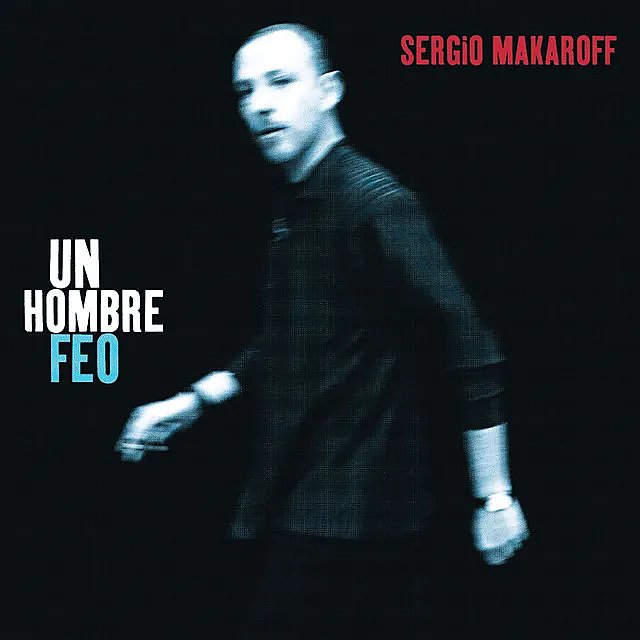
In a column for Ciclosfera, Argentine-born musician Sergio Makaroff recounts how the 1996 theft of his mountain bike in Barcelona inspired “Tranqui, tronqui,” the opening track of his album Un hombre feo.
The song begins with a direct account of the crime: “Me han robado la mountain bike, fue un yonqui de la Plaza Real.”
Makaroff, born in Buenos Aires in 1951 and a Barcelona resident since 1978, describes himself as a pioneer of urban cycling in the city, according to Ciclosfera. “Siempre me resultó estresante lanzarme sobre el sillín de una bici, y he considerado que el ciclismo urbano es un tipo de locura muy especial,” he said. The track was composed quickly because it drew on a concrete, recent episode. “La canción me salió fácil porque contaba algo concreto y reciente,” Makaroff explained.
“Creo que es mi única canción basada al 100% en hechos reales, y todo lo que cuento en ella es cierto. La inspiración surgió al repetir una y otra vez la historia: la primera frase marcó la tónica y el tiempo, y finalmente seguí todo con la guitarra.” Before settling in Barcelona, he had tried cycling in Buenos Aires, where the traffic was much worse and more dangerous.
The lyrics chronicle the immediate aftermath — “Qué dura es la vida hermano, me quedé con el candao en la mano” — and a birthday party for Lucía the following night where Makaroff arrived “derrotao como si me hubieran apaleao.” Two friends resolved the crisis, according to Lyricstranslate. Luis Guervós, described as an Asturian friend raised in Mallorca and living in Barcelona, offered both a phrase that became the title and a replacement bike: “Tranqui tronqui, que no te amargue la vida un yonqui. Mañana te pasas por casa y te dejo mi bici.”
Julia Carrasco, who collaborates on Makaroff albums such as La buena vida, arrived “tomando guapamente del frasco” and added a second loaner: “Tengo una y te la presto, mira qué fácil se arregla esto.” The song concludes with the narrator owning two bicycles — “la de Julia y la de Luis Guervós.”
In the song, Makaroff recounts telling Luis Guervós what had happened and that he was a little bitter, and Guervós replied, “tranqui, tronqui, que no te amargue la vida un yonqui.” When Guervós arrived at the party, he greeted the artist with “Hola Makarós.”
Un hombre feo was released by Warner in 1996 as a 13-song collection with artistic production by Ariel Rot and Eduardo Makaroff — Sergio’s brother and a co-founder of Gotan Project — and executive production by Alejo Stivel. The record’s costumbrista tone appears across tracks such as “Vacaciones en la tierra,” “Chau Chochín,” “Bolinga” and “No tengo novia.”
Ciclosfera, founded in May 2012, is a Spanish magazine dedicated to urban cycling and bike culture, publishing a free quarterly print edition of 84 pages and a website updated several times daily.
The magazine’s role in Spanish cycling culture includes receiving the 2014 XII Premio ConBici for sustainable mobility, a 2014 Muévete Verde award from the Madrid City Council, and the 2017 first Premio AMBE “Subámonos a la bicicleta” from the Spanish Brands and Bicycles Association for promoting bicycle use.

“El ciclismo urbano es un tipo de locura muy especial,” Makaroff said.