
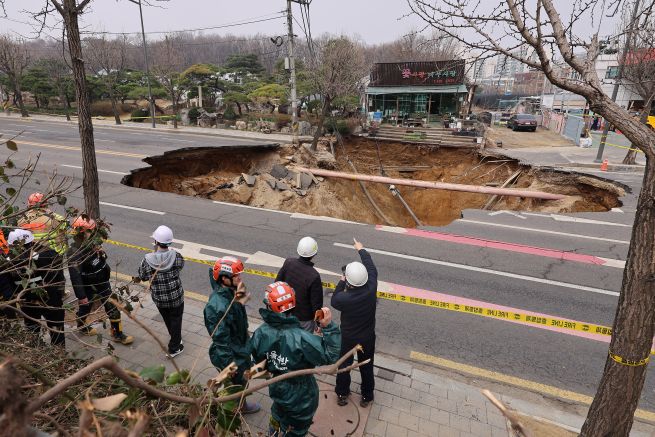
Seoul is grappling with a surge in sinkholes, a phenomenon attributed to a combination of factors including extensive construction, urban redevelopment, the city’s proximity to the Han River, and underlying weak soil conditions.
May was a particularly concerning month, with 44 sinkholes reported. This spike coincided with heavy rainfall that caused significant disruptions,including road and river closures. other months saw fewer incidents: January reported 3, March had 4, April recorded 12, and June saw 9. February experienced no reported sinkholes.
The primary cause identified for these ground collapses is damage to sewer lines,which were responsible for 18 of the incidents. Deteriorated manholes contributed to 11 cases, damaged storm drains to 9, and water pipe leaks to 3. A significant portion of seoul’s sewer network,over 55 percent of its 10,866 kilometers,is over 30 years old,a factor city officials believe increases the risk of future ground collapses.
In response, the Seoul Metropolitan Government has outlined a long-term strategy to replace 200 kilometers of aging sewer lines annually until 2030. This initiative will be financed with an annual budget of 400 billion won (approximately $290 million), sourced from special accounts, disaster management funds, national grants, and general municipal budgets. The replacement work is scheduled to commence in September, with a city official stating, “We are moving quickly to allocate funds and begin overhauling vulnerable sewer infrastructure.”
