Sentinel Surveillance for Early Detection of Respiratory Viruses
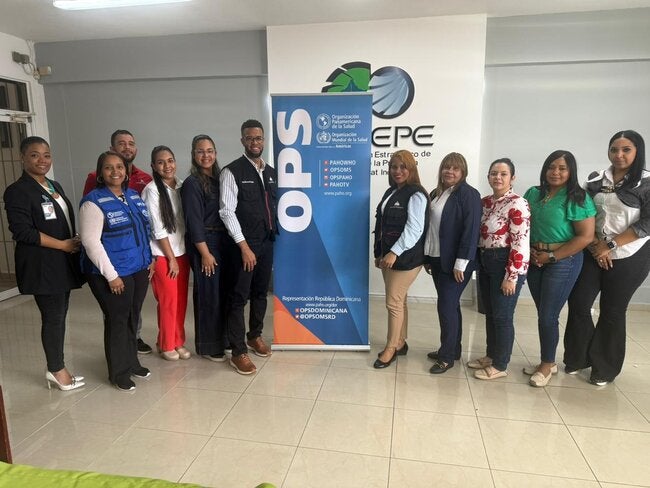
Public health authorities in the Dominican Republic are scaling up epidemiological monitoring of acute viral infections through an expanded sentinel surveillance framework, backed by technical assistance from the Pan American Health Organization and the World Health Organization. The initiative targets the early detection and tracking of seasonal pathogens, including influenza, SARS-CoV-2, and respiratory syncytial virus, to mitigate community transmission risks and manage clinical strain across regional healthcare facilities.
Key Clinical Takeaways:
- Sentinel surveillance networks track circulating strains of influenza, SARS-CoV-2, and respiratory syncytial virus to guide timely public health interventions.
- Technical cooperation from international agencies supports local diagnostic capacity and epidemiological data collection across Dominican healthcare centers.
- Enhanced pathogen monitoring helps healthcare systems anticipate morbidity spikes and optimize clinical resource allocation.
Robust epidemiological surveillance serves as the primary line of defense against seasonal viral outbreaks. Pathogen evolution, antigenic drift, and shifting transmission dynamics require continuous data collection to inform clinical protocols and vaccination strategies. By monitoring specific sentinel sites, health agencies capture real-time morbidity indicators that reflect broader community infection rates.
According to public health data, sentinel networks systematically collect biological samples from patients presenting with influenza-like illness and severe acute respiratory infections. Virological characterization of these samples enables laboratories to identify emerging viral variants before widespread transmission occurs. This capability is essential for adjusting diagnostic algorithms and ensuring that regional clinics maintain adequate inventories of antiviral medications and personal protective equipment.
For healthcare facilities managing surges in respiratory admissions, streamlining diagnostic workflows and maintaining strict infection control standards remain vital. Clinicians overseeing patient populations vulnerable to severe pulmonary complications often coordinate with specialized diagnostic and infectious disease centers to review local pathogen susceptibility profiles. Institutional leaders and clinical administrators seeking to audit their facility preparedness frequently consult with public health compliance specialists to align operational protocols with current international guidelines.
Epidemiological integration relies on standardized reporting mechanisms that connect local clinics with national reference laboratories. As diagnostic technologies advance, the incorporation of multiplex molecular assays allows healthcare teams to differentiate between viral etiologies with high specificity. This precision reduces inappropriate antimicrobial prescriptions and supports targeted supportive care for hospitalized cohorts.
Continued collaboration between international health agencies and national authorities strengthens the resilience of the health sector against emerging infectious threats. Maintaining high data integrity and rapid dissemination channels ensures that medical providers can adapt therapeutic strategies to match the circulating viral landscape. Patients and institutional stakeholders looking to connect with vetted clinical networks can consult local directories to identify qualified healthcare providers and epidemiological advisory services.
Disclaimer: The information provided in this article is for educational and scientific communication purposes only and does not constitute medical advice. Always consult with a qualified healthcare provider regarding any medical condition, diagnosis, or treatment plan.