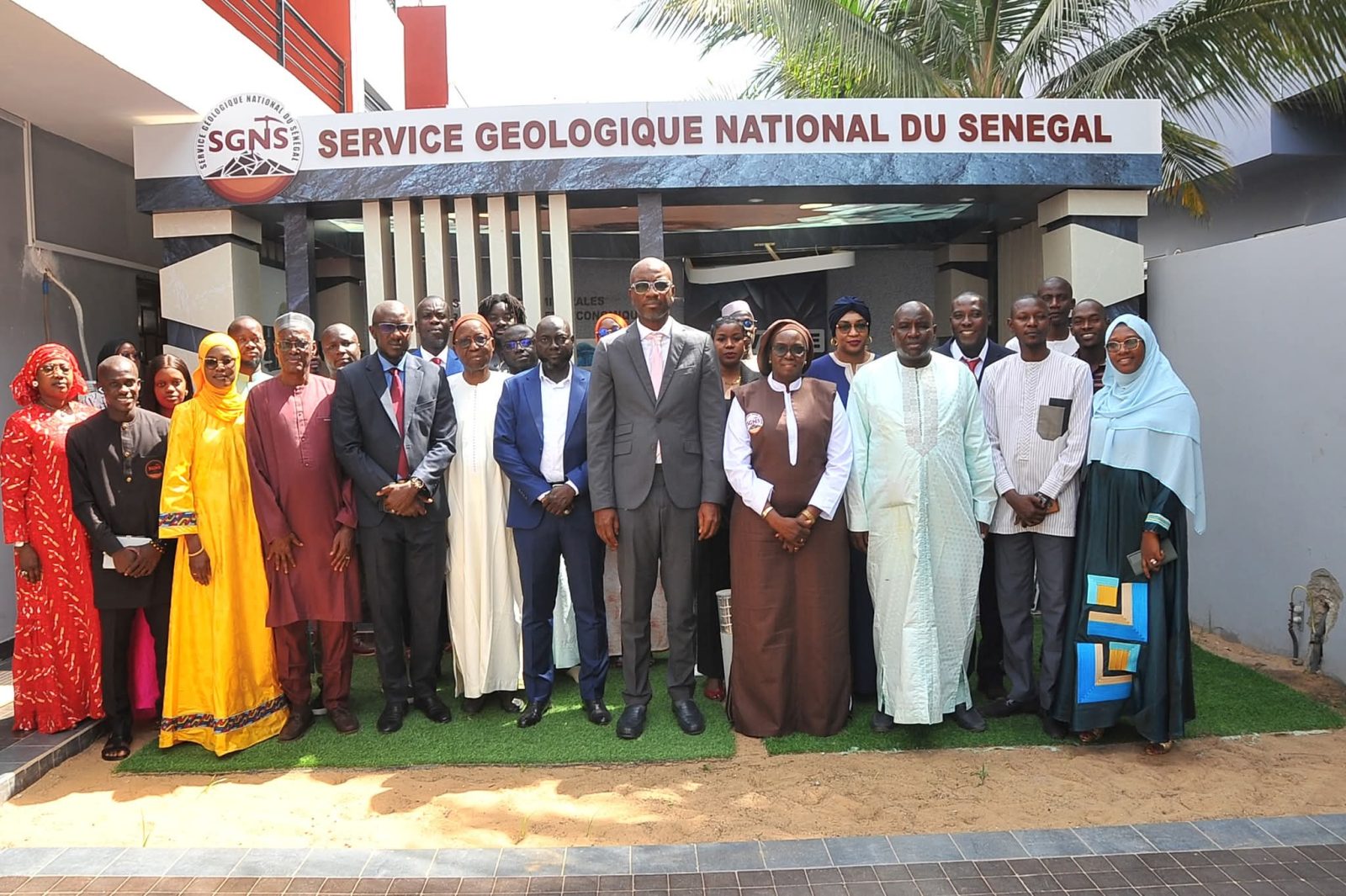
Senegal’s Minister Seck: Geological Research as a Pillar of Economic Sovereignty
Senegalese Minister of Mines and Geology Cheikhou Oumar Seck has declared geological research the cornerstone of the nation’s economic sovereignty. By prioritizing domestic mapping and mineral data acquisition, the government aims to reduce reliance on foreign exploration firms and maximize the state’s leverage in international mining contracts by July 2026.
The Strategic Shift Toward Geological Autonomy
For decades, the extraction of mineral wealth in West Africa has been defined by a reliance on external geological data. When foreign corporations provide the primary data regarding a deposit’s value, the host nation often finds itself at a disadvantage during contract negotiations. Minister Cheikhou Oumar Seck’s new policy seeks to invert this power dynamic.
By investing in indigenous geological research, the Ministry of Mines intends to create a comprehensive national mineral inventory. This initiative is not merely about finding new deposits; it is about controlling the narrative of the country’s own subsoil. According to the Ministry’s recent briefing, the goal is to transform the state into an informed partner rather than a passive landlord.
The economic stakes are high. As global demand for critical minerals—such as lithium, cobalt, and rare earth elements—surges, accurate data becomes the most valuable currency in the sector. Countries that possess high-resolution geological maps can dictate terms to global mining conglomerates, ensuring that royalties and environmental protections are commensurate with the true market value of the resources extracted.
Economic Sovereignty and the Data Gap
The move toward state-led exploration addresses a persistent information gap. Historically, the “asymmetry of information” between multinational mining entities and local governments has led to lopsided agreements. When exploration data is proprietary to the private sector, the state remains blind to the full potential of its territory.
This policy shift aligns with broader efforts across the Economic Community of West African States (ECOWAS) to harmonize mining codes and ensure local content requirements are met. You can track regional regulatory trends and compliance standards through our database of specialized mining legal counsel to understand how these shifting policies impact existing concessions.
The reliance on state-led research also mitigates the risk of “information hoarding,” where companies sit on mineral rights without developing them, effectively locking up national assets. By forcing transparency through state-verified data, the Ministry is positioning itself to reclaim underutilized concessions.
Implementation Challenges and Technical Infrastructure
Transforming geological research into a pillar of sovereignty requires significant investment in both human capital and physical infrastructure. Modern geological surveying demands high-end laboratory equipment, satellite imagery analysis, and specialized technical staff.
Observers note that the transition is not without friction. Integrating national research programs with existing foreign operations requires a delicate balance of diplomacy and strict regulatory enforcement. For businesses and investors currently operating in the region, the changing landscape necessitates a proactive approach to compliance and local partnerships. Engaging with verified environmental and geological consultancies is increasingly essential for firms seeking to align their operations with the Ministry’s new, data-driven mandates.
“The data we hold today defines the wealth of our nation tomorrow. We are moving from a model of extraction to a model of sovereign management, where every gram of ore is accounted for by the state before a single drill hits the ground.”
This sentiment, echoed by ministry officials, marks a clear departure from the hands-off approach of previous administrations. The focus is now on “geological intelligence”—gathering, processing, and protecting data as a matter of national security.
Navigating the New Regulatory Horizon
As the Ministry of Mines intensifies its oversight, the administrative burden on mining companies is expected to rise. The shift requires companies to harmonize their internal exploration data with the state’s centralized geological database. Failure to do so could result in the suspension of exploration permits or the loss of preferential status during license renewals.

For mid-sized and large mining entities, the complexity of these new requirements demands specialized guidance. Firms are increasingly turning to regulatory compliance advisory services to ensure their operations remain in good standing as the government enforces its new transparency protocols.
The push for sovereignty is not occurring in a vacuum. It is part of a wider trend of resource nationalism across the African continent, where governments are increasingly asserting control over the value chain, from exploration to refining. This evolution of policy serves as a reminder that the mining sector is no longer just about engineering; it is about geopolitical strategy.
The success of Minister Seck’s initiative will be measured by the state’s ability to maintain the high technical standards required for modern geological work. If the government can successfully build a robust, impartial data repository, the long-term impact on the national treasury could be profound. However, as the regulatory environment becomes more rigid, the ability of private firms to navigate these bureaucratic requirements will determine their continued viability in the region. The era of the “black box” exploration contract is closing, replaced by a mandate for total, state-led transparency.