
Senegal Grapples with health Sovereignty at National Health Workers’ University
Dakar, Senegal – The National Union of Health Workers launched its 3rd annual “wintering university” yesterday in Dakar, focusing on “structural challenges, social dynamics and levers of action” within the Senegalese healthcare system. The three-day event, held at the National School of Health and Social Progress (ENDSS), aims to foster discussion and identify solutions to critical health issues facing the nation. Sponsored by the President of the National Assembly, Malick Ndiaye (represented by MP Khady Sarr), the university marks a key moment for strategic reflection and engagement within the health sector.
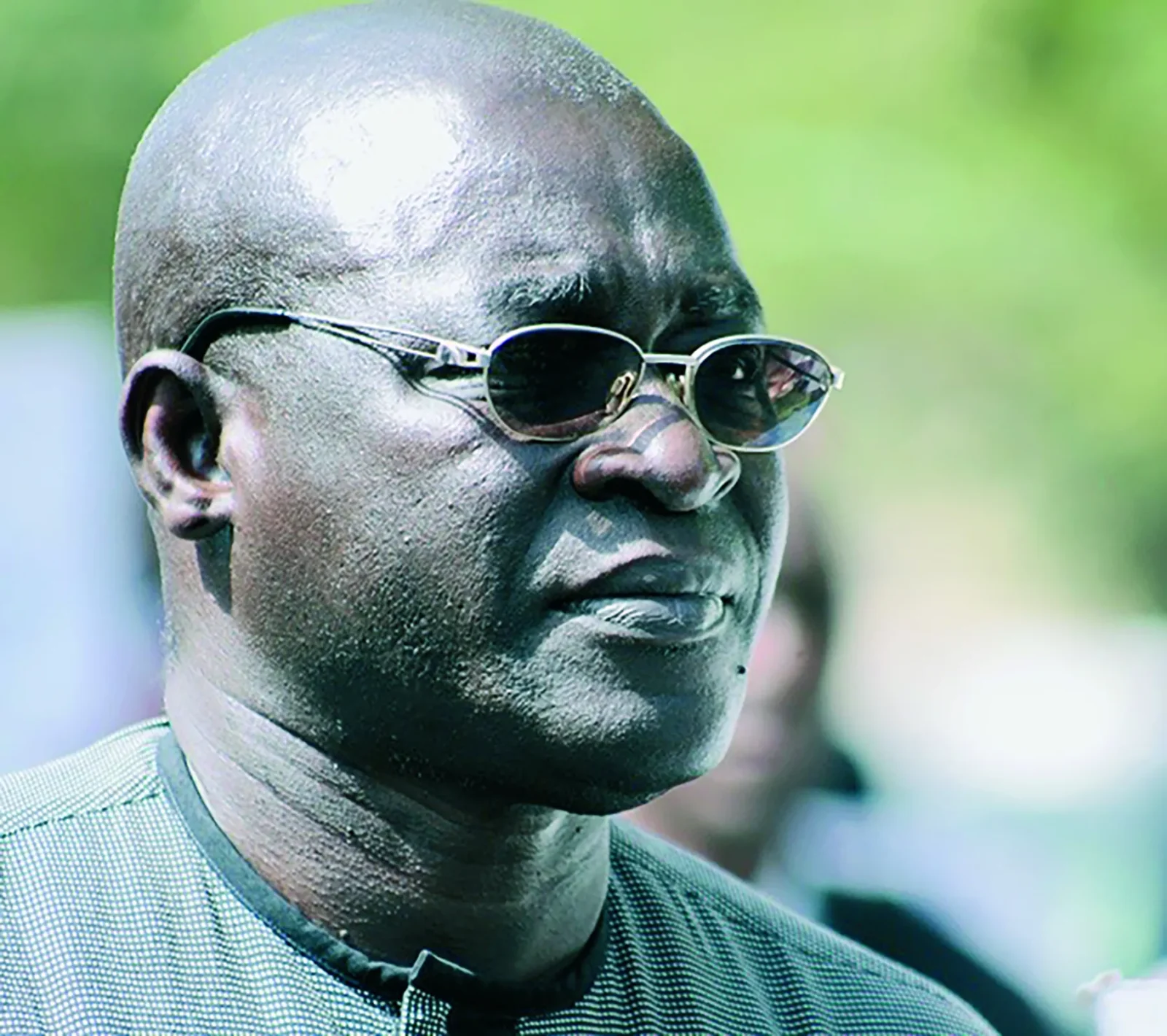
Secretary General of the Single Syndicate of Health and Social Action Workers (SUTSAS), Mballo Dia Thiam, emphasized the urgency of achieving “health sovereignty” – the ability of Senegal to independently meet the essential health needs of its population. He argued this is not merely a slogan, but a “strategic imperative” given global challenges like pandemics, economic instability, and growing social awareness. Thiam called on the government to prioritize domestic drug production, workforce development and retention, sustainable health funding, and equitable access to quality care to reduce reliance on external resources.
However, Thiam acknowledged notable obstacles to building a robust health system, including insufficient infrastructure, weak strategic planning, and disparities between rural and urban areas. He highlighted the widespread discontent among health professionals, evidenced by strikes, lack of recognition, and a growing brain drain, as well as a pervasive distrust of public health services among the population.
These concerns were echoed by Dr. Farba Lamine Sall, a health economist specializing in governance and financing. He revealed that Senegal currently produces only 5% of its pharmaceutical needs, while supplying 70% of its medication to Morocco. furthermore, 44% of dialysis treatments in Senegal are provided to foreign patients, and complex cases requiring organ transplantation, cardiac surgery, or advanced cancer treatment are frequently referred abroad. Ironically, Dr. Sall noted that many Moroccan doctors receive their training in Senegal.
The “wintering university” is intended to serve as a “laboratory of ideas,” providing a rigorous and open forum to identify actionable solutions to Senegal’s pressing health challenges.
Marie Bernadette SENE
