Selective RNA Modification Editing for Cellular and Disease Research
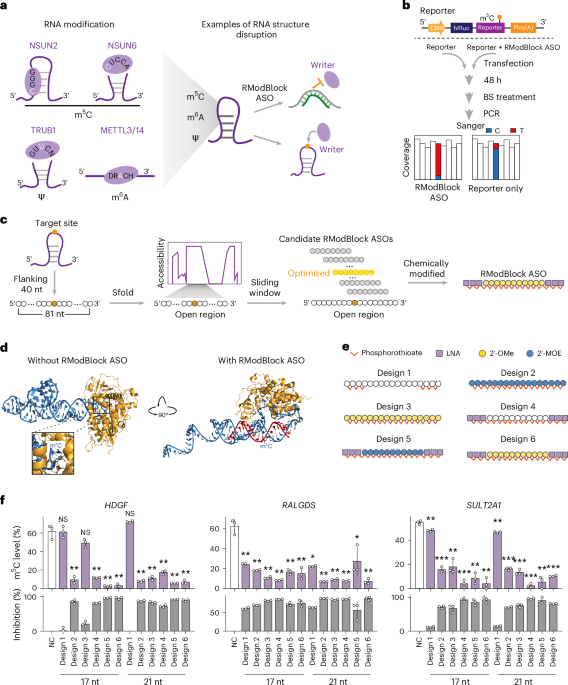
RModBlock antisense oligonucleotides (ASOs) have emerged as a high-precision tool for the targeted inhibition of specific RNA modifications, enabling researchers to isolate and study the functional roles of post-transcriptional modifications in cellular health and disease. By offering a modular approach to RNA regulation, this technology addresses the critical need for granular control in molecular biology research, bypassing the limitations of global depletion methods.
The Molecular Mechanics of RNA Modification Interference
In the complex landscape of cellular function, post-transcriptional RNA modifications act as a sophisticated layer of gene expression regulation. Historically, understanding these modifications required blunt instruments, such as the systemic knockdown of entire enzyme families, which often resulted in collateral damage to cellular homeostasis. RModBlock ASOs shift this paradigm toward surgical precision. By designing synthetic oligonucleotides that bind specifically to modified sites, researchers can selectively block or alter the recognition of these modifications by reader proteins.
This technical shift is not merely academic; it is a fundamental requirement for dissecting the “epitranscriptome.” According to recent studies in molecular chemical biology, the ability to selectively target these modifications allows for the decoupling of specific chemical markers from their corresponding regulatory proteins, providing a clearer view of how these markers influence mRNA stability, translation efficiency, and intracellular localization.
Scaling the Technology: From Benchtop to Bio-Industry
The transition of RModBlock technology from specialized laboratory use into broader industrial and clinical applications presents significant logistical challenges. As pharmaceutical firms and biotechnology startups increasingly integrate RNA-based therapies into their pipelines, the demand for standardized, scalable, and high-purity oligonucleotide synthesis has surged. This creates a bottleneck that requires sophisticated supply chain management and specialized manufacturing infrastructure.
For research organizations and biotech entities looking to operationalize this technology, the path to commercialization involves navigating complex intellectual property landscapes and stringent regulatory frameworks. Ensuring that a proprietary RNA-targeting platform remains protected while transitioning to clinical trials requires the support of [Specialized IP Law Firms], who can manage the intricate patent filings associated with novel antisense sequences. Furthermore, the operational requirements for maintaining high-yield, contaminant-free synthesis facilities necessitate engagement with [Laboratory Facility Design & Construction Experts] to ensure that production environments meet global Good Manufacturing Practice (GMP) standards.
Market Dynamics and the Future of RNA Therapeutics
The investment climate for RNA-based tools remains robust, driven by the success of earlier mRNA-based interventions and the growing interest in precision medicine. However, the commercial viability of RModBlock-related tools depends heavily on the ability to demonstrate clear therapeutic outcomes in disease models. Data from recent industry reports indicate that while the technical efficacy of ASOs is well-documented, the cost of development and the complexity of delivery mechanisms remain the primary barriers to widespread adoption.
Industry leaders are currently focusing on the development of proprietary delivery vectors—lipid nanoparticles and ligand-conjugated systems—to ensure that these oligonucleotides reach their intended targets with minimal toxicity. This focus on delivery is where the “business of science” truly intensifies. As companies move to defend their market share in the RNA space, they must rely on [Corporate Crisis & Reputation Management Firms] to handle the public narrative surrounding drug development delays or clinical trial setbacks, ensuring that brand equity remains intact even during the high-stakes phases of regulatory review.
Strategic Integration in the Research Ecosystem
The broader impact of RModBlock technology extends beyond disease research into the fundamental understanding of how RNA modifications influence human development. By providing a universal toolset, this technology democratizes the ability to study complex regulatory networks, moving the field away from descriptive studies toward functional, predictive modeling. The integration of this technology into high-throughput screening pipelines will likely be the next major milestone for the industry.
As academic institutions and private enterprises continue to refine these tools, the reliance on high-level administrative and legal infrastructure will become increasingly pronounced. Successfully managing the transition from a research tool to a standard diagnostic or therapeutic agent requires a multidisciplinary approach, combining molecular expertise with robust corporate strategy and legal foresight.
Disclaimer: The views and cultural analyses presented in this article are for informational and entertainment purposes only. Information regarding legal disputes or financial data is based on available public records.