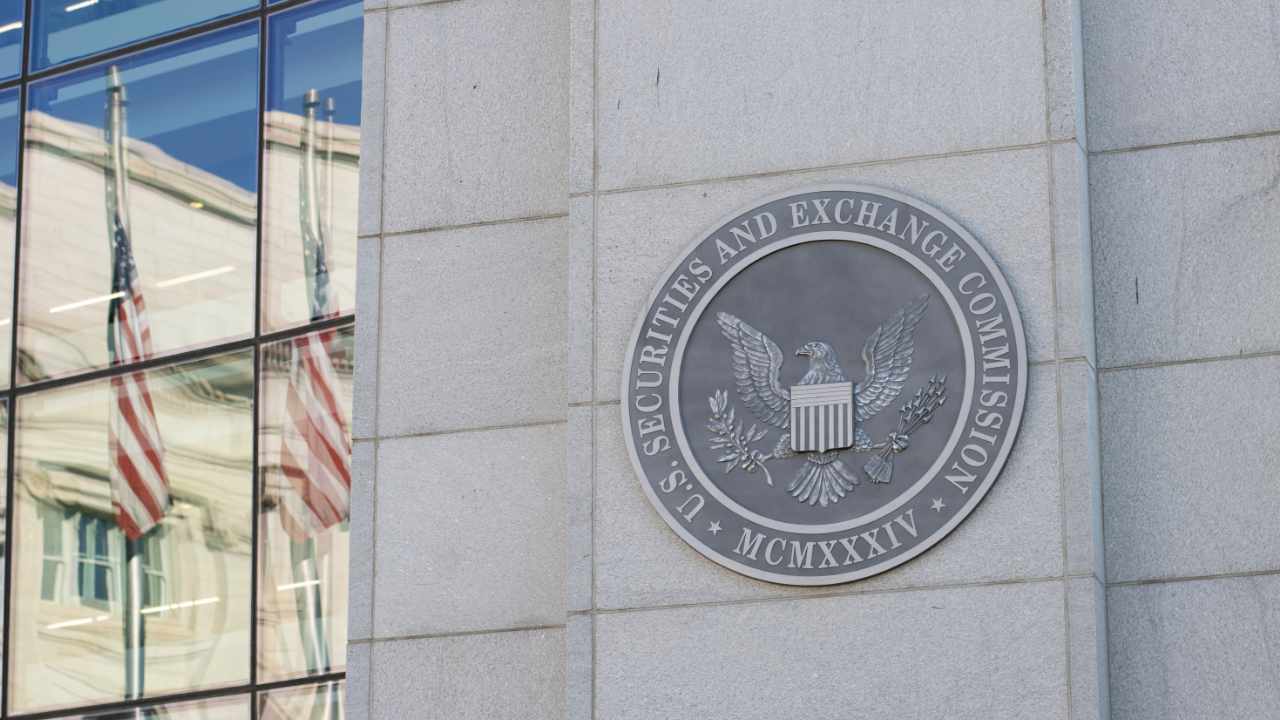
SEC Commissioner Hester Peirce Challenges Broad Blockchain Infrastructure Oversight
Regulatory Friction: The SEC’s Blockchain Oversight Dilemma
The regulatory landscape for decentralized infrastructure is hitting a structural bottleneck as SEC Commissioner Hester Peirce challenges the agency’s push for broad, reflexive oversight of blockchain protocols. For enterprise architects and CTOs, the core issue is not merely legal—it is an architectural concern regarding where the line is drawn between a software stack and a financial instrument. When regulators attempt to apply legacy securities frameworks to distributed ledger technologies, they risk creating a compliance environment that ignores the immutable nature of smart contracts and the decentralized governance models inherent in modern blockchain deployments.
The Tech TL;DR:
- Deployment Risk: Broad SEC oversight could force developers to implement centralized “kill switches” or compliance backdoors, fundamentally compromising the security integrity of decentralized applications.
- Architectural Impact: Legacy regulatory compliance frameworks often conflict with the principles of containerization and zero-trust security that drive modern blockchain development.
- Strategic Pivot: Enterprises must prepare for a bifurcated regulatory environment where infrastructure-level protocols may soon require rigorous cybersecurity auditors to certify code against evolving federal transparency requirements.
The Architectural Conflict: Code vs. Compliance
At the heart of the debate is the distinction between the underlying infrastructure—the decentralized protocols themselves—and the assets that traverse them. Commissioner Peirce’s arguments highlight a disconnect between the static interpretation of securities laws and the dynamic, programmatic reality of blockchain-based systems. From an engineering perspective, forcing “securities” labels onto base-layer infrastructure is akin to requiring a telecommunications provider to verify the intent of every packet routed through their fiber optics. It ignores the reality of open-source development, where code is immutable and governance is often handled through automated consensus mechanisms rather than centralized boardrooms.

For firms utilizing blockchain for supply chain tracking, identity verification, or automated settlement, the threat of over-regulation is a significant operational burden. If every smart contract interaction is subject to retail-level securities oversight, the latency inherent in compliance reporting will effectively negate the speed benefits of distributed ledger technology (DLT). CTOs should be evaluating their current software dev agencies to ensure that any current blockchain implementations maintain modularity, allowing for rapid pivots if regulatory mandates necessitate changes to core consensus logic or node-operator requirements.
Implementation Mandate: Auditing the Protocol
To mitigate the risk of non-compliance while maintaining operational sovereignty, engineering teams must prioritize extreme transparency in their CI/CD pipelines. If a protocol is to be considered “decentralized” under future regulatory scrutiny, the deployment process must be verifiable via automated audit logs. Below is a conceptual cURL request for querying a standardized node health-check API, a necessary step for proving uptime and consensus participation to auditors:
curl -X POST https://api.blockchain-node.internal/v1/status -H "Content-Type: application/json" -H "Authorization: Bearer [AUDIT_TOKEN]" -d '{"query": "consensus_latency", "metrics": "block_height"}'By treating regulatory compliance as a data-streaming problem, firms can automate the reporting process. Instead of manual filings, the goal is to provide regulators with read-only access to specific, non-sensitive telemetry. This approach reduces the friction of oversight while keeping the core business logic encapsulated within the secure managed service providers that host the nodes.
Comparative Analysis: Regulatory Frameworks vs. Modern SaaS
| Metric | Legacy Financial Systems | Blockchain Infrastructure |
|---|---|---|
| Governance | Centralized / Hierarchical | Distributed / Consensus-based |
| Compliance Logic | Manual Audit / Periodic | Programmable / Real-time |
| Security Model | Perimeter Defense | Zero-Trust / Cryptographic |
The transition toward more stringent oversight is not an isolated event; it is part of a broader push to bring decentralized finance (DeFi) under the umbrella of institutional stability. However, as noted by lead maintainers in the Stack Overflow developer community, the imposition of centralized compliance requirements on decentralized stacks often creates a “security theater” that does little to protect users while significantly increasing the attack surface for bad actors looking to exploit new, forced centralized APIs.

The Editorial Kicker: Future-Proofing Through Modularity
The regulatory push to categorize blockchain infrastructure as securities is a lagging indicator of a much larger shift: the professionalization of decentralized tech. While Commissioner Peirce’s skepticism provides a necessary check on administrative overreach, the reality remains that enterprise adoption will only scale when there is regulatory clarity. Until then, the most resilient firms will be those that build for modularity, utilizing external cybersecurity auditors to ensure that their tech stack is sufficiently decoupled from the regulatory blast zone. By maintaining a clean separation between the consensus layer and the application logic, architects can ensure that if the SEC shifts the goalposts, the underlying business operations remain functional, secure, and compliant.
Disclaimer: The technical analyses and security protocols detailed in this article are for informational purposes only. Always consult with certified IT and cybersecurity professionals before altering enterprise networks or handling sensitive data.