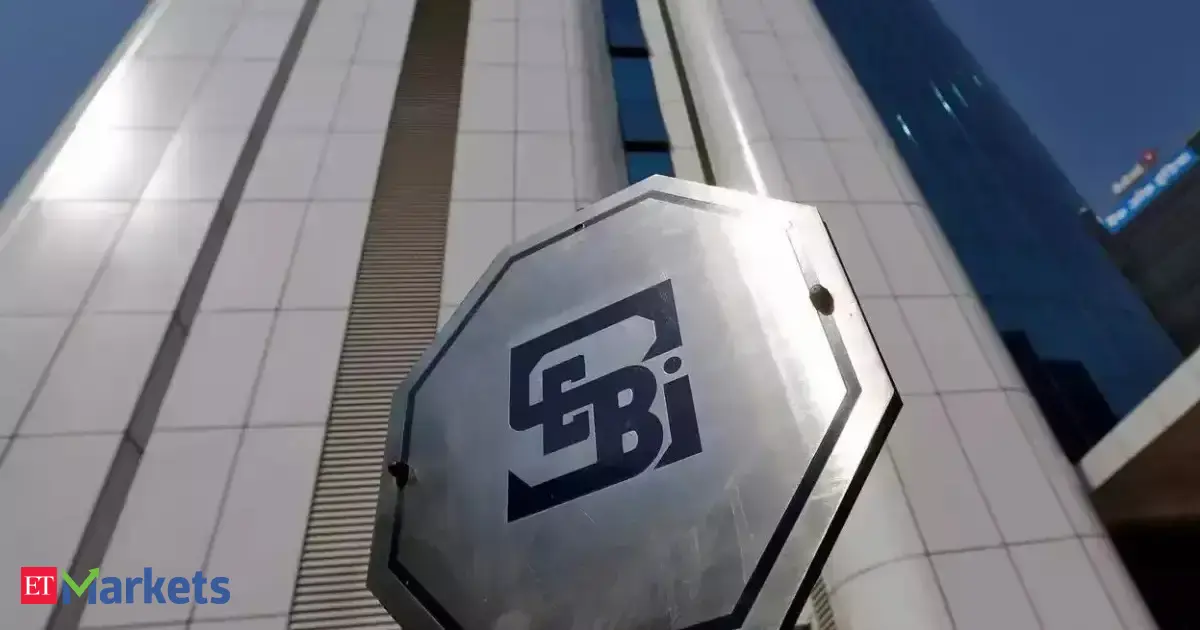
SEBI Approves BSE Derivatives for Focused IT Index
The Securities and Exchange Board of India (SEBI) has granted the Bombay Stock Exchange (BSE) approval to launch derivatives based on the BSE Focused IT Index. This strategic move allows investors to hedge exposure or speculate on a concentrated basket of 14 premier Indian IT firms amid significant sector volatility.
The timing is not accidental. The Indian IT sector is currently grappling with a “perfect storm” of decelerating discretionary spend in North America and a cautious approach to generative AI integration. When an index records sharp declines, the immediate fiscal problem for institutional holders is unhedged beta. Portfolio managers are currently bleeding alpha as the sector’s revenue multiples compress from their pandemic-era highs. To stem these losses, firms are pivoting toward risk management consultants to restructure their derivative strategies and protect their balance sheets from further systemic slides.
The Macro Shift: Why Hedging Now is Non-Negotiable
For the better part of the last decade, Indian IT was a momentum play. Now, it is a value-discovery play. The BSE Focused IT Index isn’t just a list of tickers; it is a proxy for the global enterprise software cycle. With the US Federal Reserve maintaining a “higher for longer” stance on interest rates, the cost of capital for Fortune 500 companies has surged, leading to a drastic reduction in “run-the-business” (RTB) spending.
This creates a liquidity trap for investors who are long on the sector but lack the tools to offset downside risk. The introduction of these derivatives provides a critical instrument for delta-neutral strategies. Traders can now short the index to offset long positions in individual stocks like TCS or Infosys without liquidating their core holdings.
“The shift from growth-at-all-costs to efficiency-driven procurement in the US and EU markets has left Indian IT firms with a visibility gap. The ability to hedge via a focused index is a necessary evolution for the Indian capital markets to mature toward global standards.” — Marcus Thorne, Chief Investment Officer at Global Alpha Hedge
Volatility is the only constant. The market is no longer rewarding mere scale; it is rewarding agility.
Decoding the Sector’s Financial Friction
To understand why SEBI’s nod is a lifeline, one must look at the underlying fundamentals. According to the SEBI official circulars and recent quarterly disclosures, the sector is seeing a compression in EBITDA margins as firms increase spending on “AI-upskilling” to prevent obsolescence. The cost of talent acquisition remains sticky, whereas the pricing power of the vendors is waning.
The problem extends beyond the P&L statement. As these firms navigate a transition from legacy outsourcing to AI-native services, they face immense regulatory scrutiny and contractual complexities. This is where the operational friction peaks, forcing companies to engage corporate law firms specializing in international tech contracts to mitigate the risk of SLA (Service Level Agreement) breaches during this transition.
- Revenue Multiple Compression: We are seeing a shift from 25x-30x P/E ratios to a more conservative 18x-22x range as organic growth slows.
- The AI Capex Gap: While firms talk about GenAI, the actual conversion of “proof of concepts” (PoCs) into high-margin revenue streams is lagging.
- Currency Headwinds: Fluctuations in the USD-INR pair continue to create accounting noise, complicating the quarterly earnings calls for the 14 firms within the Focused IT Index.
The derivatives market will allow speculators to bet on the speed of this AI transition without needing to analyze 14 separate balance sheets.
The Institutional Playbook for Q3 and Q4
Looking ahead to the next fiscal quarters, the “Focused IT” derivatives will likely notice high open interest as funds prepare for the upcoming earnings cycle. The primary source of truth here remains the BSE India official data feeds, which indicate a growing appetite for sector-specific instruments over broad-market indices like the Sensex.

Institutional investors are not just looking at the index; they are analyzing the yield curve and its impact on the discounting of future cash flows. If the US economy enters a shallow recession, the “Focused IT” index will be the first place where a “flight to quality” occurs. However, the volatility in the interim will be brutal.
“We are seeing a divergence between the Tier-1 giants and the mid-cap specialists. The Focused IT Index derivatives will allow us to play the macro-recovery theme while surgically hedging against the failure of specific sub-sectors like BPO or legacy maintenance.” — Ananya Iyer, Head of Equities at Sterling Asset Management
Precision is the new profit.
Strategic Implications for the B2B Ecosystem
The launch of these derivatives doesn’t just affect traders; it ripples through the entire corporate service ecosystem. Increased volatility in the IT sector often leads to a surge in consolidation. As smaller players struggle with the volatility and the cost of AI transformation, we expect a wave of defensive mergers. This surge in activity naturally drives demand for M&A advisory firms that can navigate the valuation gaps between buyers and sellers in a declining market.
the complexity of managing a derivatives portfolio requires sophisticated treasury management. Corporate treasurers are now moving away from manual spreadsheets toward automated, AI-driven treasury software to track their Greeks—Delta, Gamma, and Theta—in real-time.
The financial architecture is evolving. Those who rely on legacy systems will find themselves blindsided by a sudden margin call.
The BSE Focused IT Index derivatives are a pragmatic response to a volatile reality. For the sophisticated investor, it is a tool for survival. For the broader market, it is a signal that the era of blind optimism in Indian IT is over, replaced by a disciplined, hedge-centric approach to growth. As the sector navigates this pivot, the ability to find vetted, high-performance partners—from legal experts to financial strategists—will be the difference between those who weather the storm and those who are swept away. Explore the World Today News Directory to connect with the global B2B leaders driving this economic transition.