Seattle City Attorney Launches Connection Court for Misdemeanor Diversion
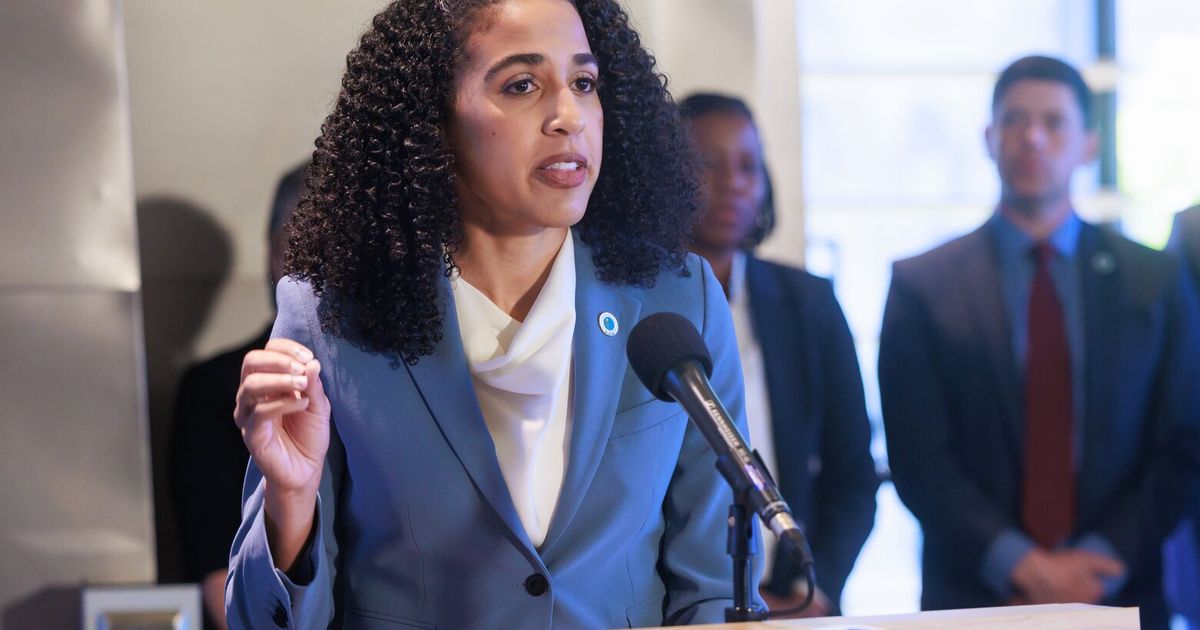
Seattle City Attorney Erika Evans announced a new strategy Thursday allowing people accused of low-level misdemeanors to receive 90 days of services in lieu of prosecution, according to the Seattle Times.
Connection Court Offers Services for Nonviolent Offenses
The program, named Connection Court, held its first session Wednesday at City Hall. Defendants accused of low-level, nonviolent offenses can engage in services like substance use treatment, job support, health benefits, and peer support. Evans stated at a news conference that the approach maintains supervision while helping individuals ready for assistance.
To qualify for the program, a charge cannot be part of a pattern of frequent criminal misconduct. Individuals with serious felony records, including rape at any time or a second-degree assault within the last decade, remain ineligible. Driving under the influence, gun-related misdemeanors, and domestic violence offenses are also excluded, though low-value thefts are covered.
Participants must exhibit law-abiding behavior for 90 days to successfully complete Connection Court. Those who fail are screened out and prosecuted traditionally.
Public Defenders Criticize New Program Restrictions
The program bears some resemblance to a community court that ended three years ago. That previous version automatically diverted people arrested for certain misdemeanor crimes and required six hours of community service. Ann Davison, Seattle’s former prosecutor, axed that initiative in 2023.
King County public defenders criticized the new rollout. Katie Hurley, special counsel for criminal policy and practice at the King County Department of Public Defense, said the restrictions disproportionately impact indigent people, people of color, and individuals experiencing homelessness. Hurley also expressed concern that people in custody who cannot make bail are excluded from Connection Court.
Evans defended the initiative against partner criticisms, stating she wants to solve underlying problems rather than run a box-checking exercise. Mayor Katie Wilson backed the court, noting it addresses complex needs through tailored approaches.
High-Priority Repeat Offenses Initiative
For these cases, prosecutors will ask for aggravated jail sentences. Individuals in the HiPRO program are presumed ineligible for Connection Court and other diversion programs. Hurley stated the public defense office did not learn about the high-priority repeat offense program until Monday, leaving them alarmed by the exclusions.