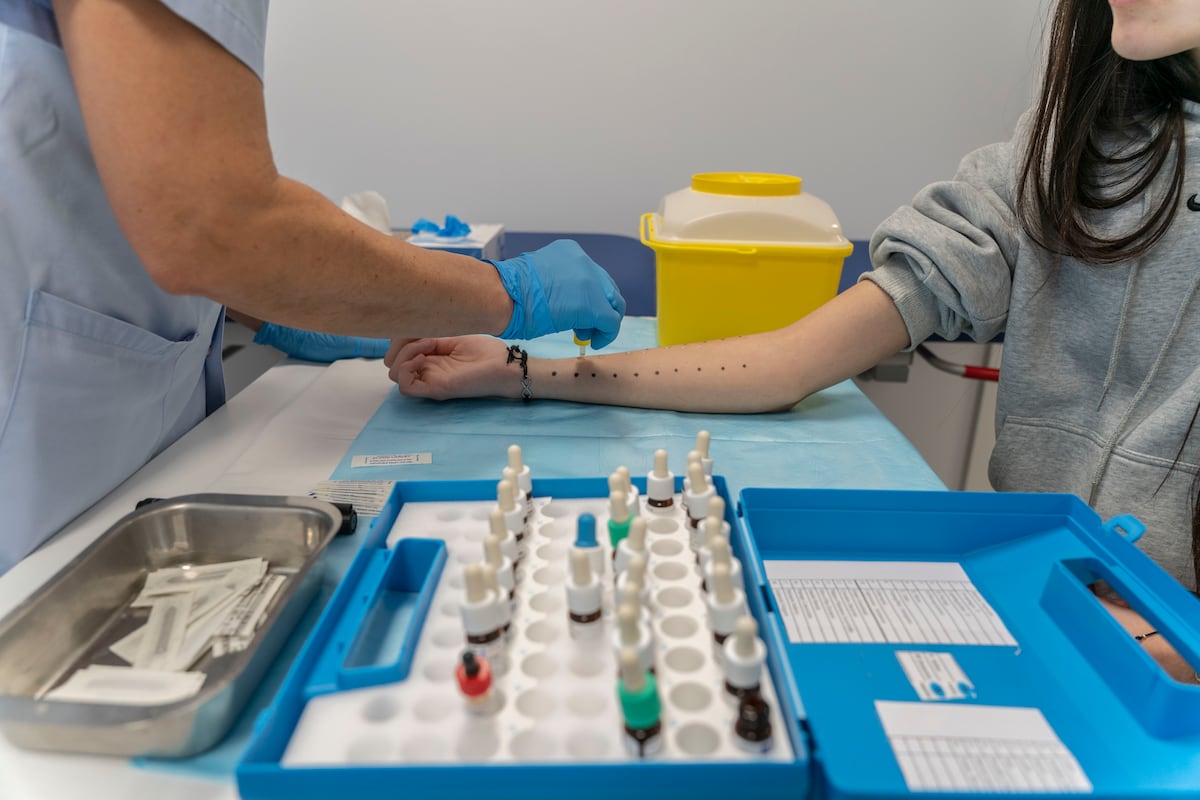
Seasonal Allergies Intensify: Pollen Seasons Arrive Earlier and Last Longer from 2015 to 2024
Climate change is intensifying seasonal allergies, prolonging heatwaves, and degrading dietary quality across Europe, creating a converging public health crisis that demands urgent clinical and policy attention. Rising temperatures and elevated atmospheric CO₂ levels are altering plant phenology, leading to earlier onset, longer duration, and increased potency of pollen seasons—particularly for allergenic species like birch, grass, and ragweed. Simultaneously, extreme heat events are exacerbating cardiovascular and respiratory strain, while climate-driven disruptions to agricultural systems are reducing the nutritional density of staple crops, disproportionately affecting vulnerable populations. These interconnected trends are not merely environmental anomalies; they represent measurable shifts in disease etiology with direct implications for allergy prevalence, heat-related morbidity, and malnutrition-related comorbidities.
Key Clinical Takeaways:
- Pollen seasons in Europe have started 20 days earlier and intensified by up to 40% since 2015, correlating with rising temperatures and CO₂ levels.
- Heatwave-related emergency department visits for asthma and allergic rhinitis increased by 22% during the 2022–2024 period across Southern and Central Europe.
- Declines in wheat and barley protein content—linked to elevated CO₂—may reduce dietary tryptophan and zinc intake, potentially worsening immune regulation and allergy susceptibility.
Entering its fifth consecutive year of extreme seasonal shifts, Europe’s allergy burden is no longer confined to spring months. A 2024 longitudinal study published in The Lancet Planetary Health tracked daily pollen counts and symptom diaries across 12 European cohorts (N=8,420) from 2015 to 2024, revealing that the median start of the birch pollen season advanced from April 10 to March 22, while peak concentrations rose by 38% in urban areas due to the urban heat island effect. The study, funded by the European Union’s Horizon Europe program (Grant ID: HEALTH-2021-ENVIRONMENT-01), found that individuals with pre-existing allergic sensitization experienced a 2.3-fold increase in symptom duration and a 1.7-fold rise in rescue medication use during prolonged exposure periods. Dr. Elena Rossi, lead epidemiologist at the Barcelona Institute for Global Health (ISGlobal), emphasized the mechanistic link: “Higher temperatures and CO₂ not only boost pollen production but also alter its allergenic potency—specifically increasing the expression of Bet v 1 homologs in birch, which directly correlates with IgE binding affinity in sensitive individuals.”
These biological changes are compounded by climate-induced nutritional deficits. Research from the University of Hohenheim, supported by the German Federal Ministry of Food and Agriculture (BMEL), demonstrated that wheat grown under 550 ppm CO₂—projected for mid-century under RCP 4.5—showed a 12% reduction in protein content and a 15% decline in zinc and iron bioavailability. Such micronutrient deficits may impair epithelial barrier function and Th1/Th2 immune balance, lowering the threshold for allergic sensitization. As Dr. Marco De Vito, nutritional immunologist at Sapienza University of Rome, noted in a 2023 Journal of Allergy and Clinical Immunology commentary: “We are witnessing a double hit: more aggressive allergens in the air and less resilient immune defenses due to diet quality decline. This synergy elevates population-level morbidity beyond what either factor would produce alone.”
The convergence of these trends is straining healthcare systems already burdened by post-pandemic respiratory illness. In France, the national public health agency Santé Publique France reported a 31% increase in allergic rhinitis prescriptions between 2020 and 2024, with peak demand shifting earlier into February and March. In Germany, heatwave days exceeding 35°C correlated with a 19% rise in asthma exacerbations requiring corticosteroid bursts, particularly among elderly patients with comorbid COPD. These patterns underscore the demand for adaptive clinical protocols—including preemptive antihistamine initiation, personalized pollen forecasting, and nutritional screening in allergy clinics.
For patients navigating prolonged allergy seasons unresponsive to standard intranasal corticosteroids and antihistamines, early referral to specialists trained in environmental medicine is critical. It is strongly recommended to consult with vetted board-certified allergists and immunologists who can administer component-resolved diagnostics and consider biologics like omalizumab or dupilumab for severe, refractory cases. Simultaneously, individuals experiencing heat-aggravated respiratory symptoms should seek evaluation from licensed pulmonologists equipped to assess airway hyperreactivity and adjust long-term control therapies amid rising environmental triggers.
From a systems perspective, public health infrastructure must evolve to meet this new epidemiological reality. Cities like Rotterdam and Barcelona have begun integrating real-time pollen and heat alerts into electronic health record systems, triggering automated preventive care prompts for high-risk patients. Such initiatives require collaboration between municipal health departments, environmental agencies, and clinical IT vendors—many of whom rely on healthcare compliance attorneys and health IT consultants to ensure adherence to GDPR and NIS2 directives when processing sensitive health and environmental data streams.
The trajectory is clear: without mitigation-driven adaptation, Europe’s allergy burden will continue to rise in prevalence, severity, and healthcare cost. Future research must prioritize multispecies pollen forecasting models, nutrient-climate interaction trials, and real-world effectiveness studies of early biologic intervention in high-exposure zones. As climate medicine becomes a core component of preventive care, the integration of environmental data into clinical decision support will no longer be optional—it will be essential to maintaining population resilience in an increasingly volatile world.
*Disclaimer: The information provided in this article is for educational and scientific communication purposes only and does not constitute medical advice. Always consult with a qualified healthcare provider regarding any medical condition, diagnosis, or treatment plan.*