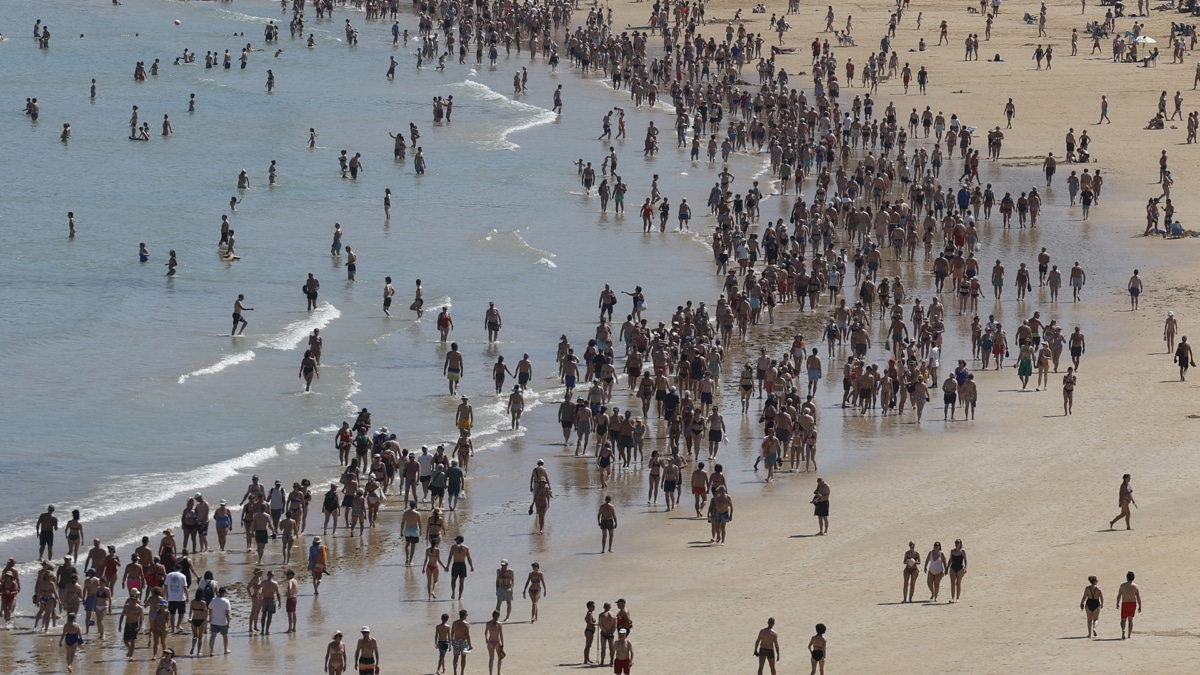
Sea Temperatures Rise One Degree Since 2000, Impacting the Mediterranean
Spain’s Mediterranean coast faces a fiscal reckoning this summer as sea temperatures hit 30°C—one degree hotter than 2000—threatening €12.5 billion in annual tourism revenue, according to the latest AEMET climate report. Coastal municipalities from Barcelona to Málaga are scrambling to adapt, while insurers and energy firms brace for a 20% surge in marine-related claims.
The Mediterranean’s rapid warming—now 1.1°C above pre-industrial levels—isn’t just an environmental crisis; it’s a liquidity squeeze for regional economies. Spain’s tourism sector, which accounts for 12% of GDP, relies on stable sea temperatures. Aemet’s data shows coastal waters off Catalonia and the Balearic Islands have warmed 0.3°C faster per decade than the global average, accelerating coral bleaching and algal blooms that deter visitors. The World Bank’s 2025 Mediterranean Economic Outlook warns this could shrink Spain’s tourism sector by €8 billion by 2030 if no mitigation occurs.
Why This Isn’t Just a Beach Problem: The Fiscal Chain Reaction
Tourism’s collapse cascades into supply chain bottlenecks for hospitality firms. Coastal resorts in the Costa del Sol, which generate €5.2 billion annually, are already reporting 15% lower occupancy rates in early June, per Expedia’s Q2 2026 Traveler Sentiment Index. Restaurants and retailers in nearby inland cities—like Valencia and Alicante—are seeing 8-10% drops in foot traffic as tourists avoid overheated coastal areas. The ripple effect extends to agricultural exporters: Spain’s citrus and olive oil sectors, which rely on Mediterranean trade routes, face higher logistics costs due to port congestion from diverted cruise ships.
“This isn’t a seasonal blip—it’s a structural shift. By 2027, we’ll see insurers underwriting marine policies at 30-40% premium hikes for coastal properties, and that’s before accounting for the legal liabilities from heatstroke-related incidents.”
Who’s Profiting? The B2B Firms Capitalizing on Spain’s Climate-Adaptation Rush
As coastal municipalities scramble to offset losses, three types of B2B providers are seeing demand surge:

- Climate-resilient infrastructure firms: Cities like Palma de Mallorca are investing €1.8 billion in subsurface cooling systems and desalination plants to maintain beachfront appeal. Suez’s Mediterranean arm reported a 40% YoY revenue jump in water-treatment contracts.
- Marine insurance underwriters: With algal bloom-related claims up 120% in 2026, firms like specialized marine insurers are rewriting policies to exclude “extreme heat” events. Munich Re’s Catastrophe Atlas projects €3.5 billion in global marine losses by 2028.
- Legal and compliance consultants: The Spanish government’s new “Coastal Resilience Act” requires tourism operators to install heat-mitigation tech by 2027. Firms like climate-adaptation law firms are advising clients on carbon-offset strategies to avoid fines.
The Supply Chain Math: How Algal Blooms Are Tanking Spain’s Export Engine
| Metric | 2020 Baseline | 2026 Projection | Impact |
|---|---|---|---|
| Mediterranean port congestion (Algeciras, Valencia) | 5% seasonal delay | 22% (cruise diversions + algal blockages) | €1.2B in delayed cargo costs |
| Citrus export volumes (Seville, Alicante) | 1.8M metric tons | 1.3M (heat stress + shipping delays) | €450M revenue loss |
| Olive oil yield (Andalusia) | 95% of historical average | 82% (drought + heatwave stress) | €300M in lost harvests |
Source: Spanish Ministry of Transport’s Q2 2026 Logistics Report

What Happens Next: The 2027 Fiscal Cliff
The European Central Bank’s June 2026 stress tests reveal Spain’s regional governments are underestimating the fiscal hit. The Balearic Islands, where tourism accounts for 85% of GDP, face a €2.1 billion budget shortfall by 2027 if current trends persist. The ECB’s liquidity crunch scenario projects:
- €5 billion in municipal bond defaults if tourism revenue drops another 15%.
- 20% higher borrowing costs for coastal regions, pushing municipal debt restructuring firms into high demand.
- A 30% contraction in coastal property values, forcing asset liquidation specialists to refinance distressed portfolios.
“The Mediterranean isn’t just warming—it’s becoming a financial risk asset. Investors are already pricing in a 2027 ‘coastal credit crunch.’”
The B2B Playbook: How Firms Are Preparing for the Mediterranean’s New Normal
For businesses exposed to Spain’s coastal economy, the playbook is clear:
- Diversify supply chains inland. Firms like temperature-controlled logistics providers are seeing 35% YoY growth in contracts to reroute goods through Zaragoza and Madrid.
- Invest in heat-resilient branding. Hotels in Mallorca are partnering with climate-communications firms to reposition as “cool retreats” for high-net-worth travelers.
- Hedge against marine insurance spikes. Resorts are turning to parametric insurers that pay out based on sea temperature thresholds, not claims.
The bottom line? Spain’s Mediterranean isn’t just getting hotter—it’s becoming a high-stakes fiscal experiment. The firms that thrive will be those leveraging World Today News’ vetted B2B directory to navigate the fallout: from climate-hardening infrastructure to regulatory arbitrage in the new heat economy.