Scientists Uncover Surprising Clue to MS Progression
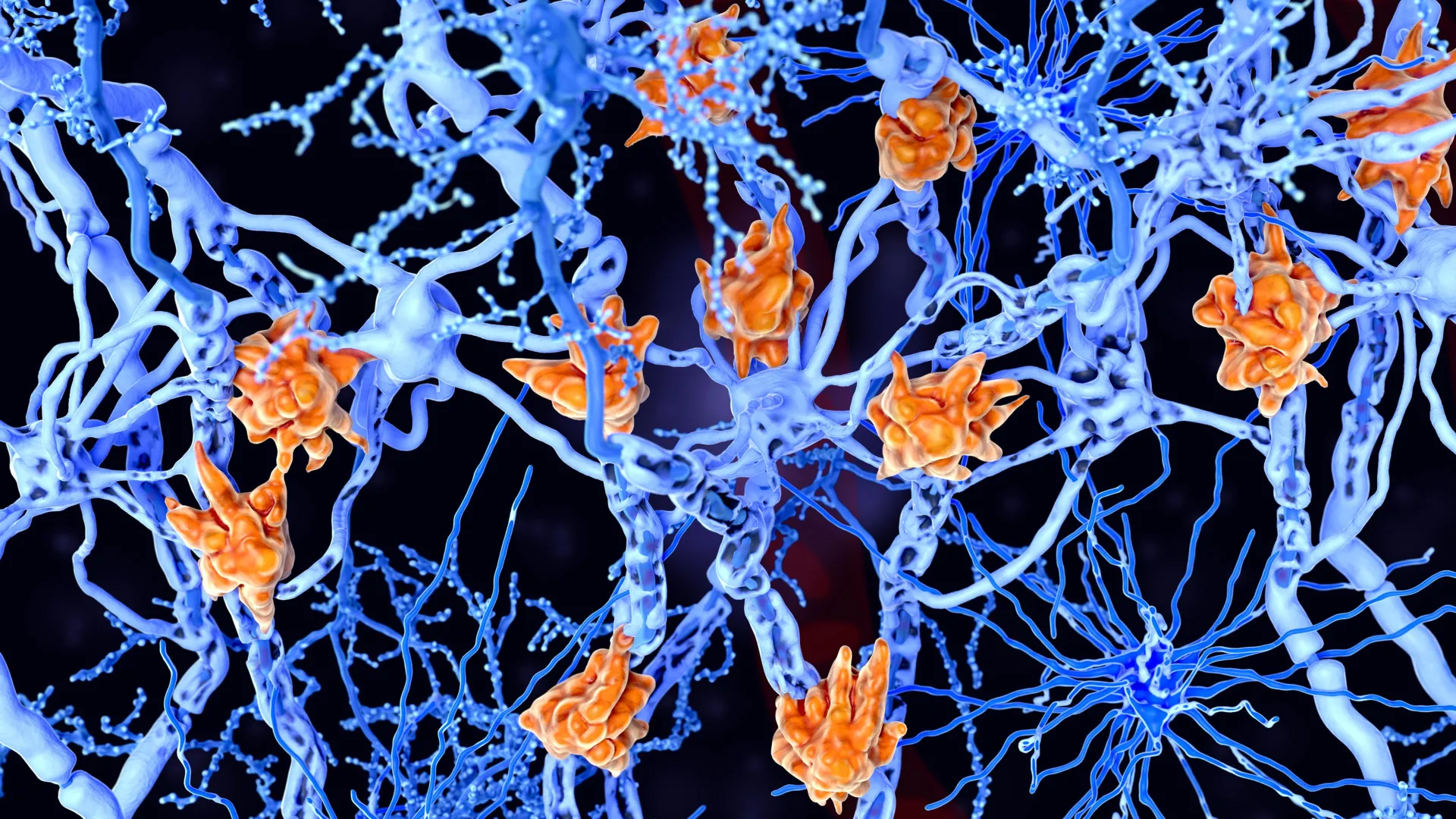
New research identifies a previously overlooked mechanism in multiple sclerosis (MS) where fat-laden immune cells in the brain may accelerate disease progression by shifting from repair to damage. In brain tissue from patients with severe MS, scientists found excessive numbers of “foamy” immune cells packed with fat droplets after absorbing damaged myelin. These overloaded cells appear to fuel chronic inflammation rather than aid recovery.
- Fat-engorged immune cells in MS brains may drive inflammation by failing to clear debris efficiently, worsening neurodegeneration.
- This mechanism explains why some MS patients experience rapid progression while others remain stable.
- Targeting these “foamy” cells could open new therapeutic avenues—but clinical trials remain years away.
Why These Fat-Loaded Cells Could Rewrite MS Pathogenesis
Multiple sclerosis has long been understood as an autoimmune disease where the immune system attacks myelin—the fatty sheath insulating nerve fibers in the brain and spinal cord. But the latest findings reveal a critical twist: the very cells meant to clean up myelin debris may become part of the problem.
Using advanced lipidomics and single-cell RNA sequencing, researchers analyzed brain tissue from MS patients with varying disease trajectories. In those with rapidly progressing MS, they found immune cells—typically responsible for clearing damaged myelin—had become overloaded with fat droplets, earning them the nickname “foamy” cells. These cells, instead of resolving inflammation, appeared to release pro-inflammatory signals, exacerbating nerve damage.
How Fat-Loaded Cells Tip the Balance Toward Inflammation
The study’s mechanism hinges on two key observations:

- Lipid Overload Disrupts Function: Normally, immune cells digest myelin debris and present antigens to other immune cells to trigger repair. But when overloaded with fat, these cells become dysfunctional, failing to clear debris efficiently.
- Pro-Inflammatory Shift: The accumulated lipids trigger the release of pro-inflammatory signals, which sustain inflammation. Unlike healthy immune cells that promote tissue repair, these foamy cells contribute to neurodegeneration.
What This Means for MS Diagnosis and Treatment
While the findings are preliminary, they open doors for targeted therapies. Current MS treatments focus on broadly suppressing the immune system. But if foamy immune cells are a distinct driver of progression, future drugs could aim to:
- Enhance lipid metabolism in immune cells to prevent overload.
- Block the pro-inflammatory pathways activated by these cells.
- Develop biomarkers to identify patients at risk of rapid progression early.
What Happens Next: The Path Forward
The next critical steps will involve:
- Preclinical Validation: Testing lipid-modulating compounds in mouse models of MS to confirm whether reducing foamy cell formation slows disease progression.
In the meantime, patients with progressive MS should continue working with their neurologists to optimize existing treatments while monitoring for emerging trial opportunities.
*Disclaimer: The information provided in this article is for educational and scientific communication purposes only and does not constitute medical advice. Always consult with a qualified healthcare provider regarding any medical condition, diagnosis, or treatment plan.*