
Scientists uncover an Achilles’ heel in deadly superbugs — and a way to exploit it
The global healthcare infrastructure is currently facing a silent, escalating crisis: the rapid erosion of our antibiotic arsenal. As of March 2026, multidrug-resistant Gram-negative bacteria have evolved sophisticated camouflage mechanisms, rendering standard-of-care treatments increasingly ineffective. Though, a pivotal breakthrough published in Nature Chemical Biology offers a potential paradigm shift. Researchers at the Walter and Eliza Hall Institute (WEHI) have identified a unique sugar molecule, pseudaminic acid (Pse), acting as an “Achilles’ heel” on the surface of deadly superbugs. By targeting this specific glycan, scientists have successfully flagged these pathogens for immune destruction in pre-clinical models, suggesting a future where the body’s own defenses, rather than toxic antibiotics, clear the infection.
Key Clinical Takeaways:
- Mechanism of Action: A novel monoclonal antibody targets pseudaminic acid (Pse), a sugar molecule exclusive to bacterial surfaces, bypassing human cell toxicity.
- Clinical Efficacy: In murine models infected with Acinetobacter baumannii, antibody treatment resulted in 100% survival compared to 0% in the control group.
- Therapeutic Horizon: Although currently in pre-clinical optimization, this approach aims to transition to human trials by late 2026, offering hope for pan-resistant infections.
The Glycobiology of Immune Evasion
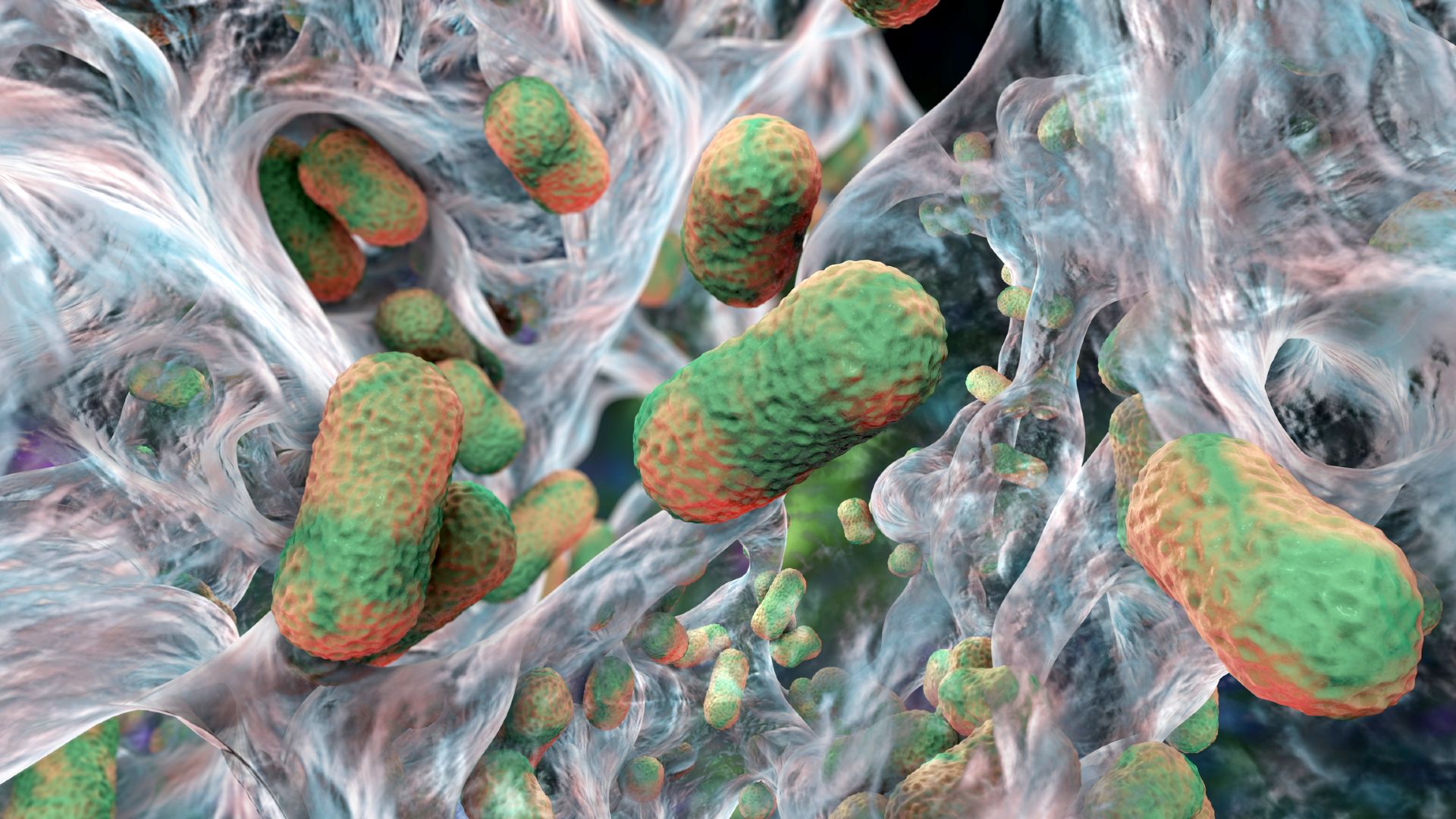
To understand the magnitude of this discovery, one must appreciate the biological deception employed by Gram-negative bacteria. Pathogens such as Acinetobacter baumannii, Helicobacter pylori and Campylobacter jejuni possess an outer membrane coated in a “sugar coat” or glycocalyx. Historically, this coating has served as a molecular mimic, resembling human glycans closely enough to evade immune detection—a phenomenon known as molecular mimicry. This allows the bacteria to replicate unchecked within the host.

The research team, led by Dr. Ethan Goddard-Borger, utilized advanced synthetic chemistry to isolate and replicate the Pse molecule in the laboratory. Unlike previous attempts that struggled with extraction yields, this synthetic approach allowed for the development of highly specific monoclonal antibodies. These proteins act as biological homing devices, latching onto the Pse sugar with high affinity. Once bound, the antibody effectively strips the bacteria of its invisibility cloak, marking it for opsonization and subsequent phagocytosis by the host’s immune cells.
“The strategic advantage of targeting a surface glycan unique to the pathogen is the minimization of off-target effects. We are essentially teaching the immune system to distinguish ‘self’ from ‘non-self’ with unprecedented precision.”
This precision is critical. In the current landscape of antimicrobial resistance (AMR), broad-spectrum antibiotics often decimate the patient’s microbiome, leading to secondary complications like C. Difficile colitis. A targeted immunotherapy could preserve commensal flora while neutralizing the threat. For patients currently struggling with recurrent, resistant infections, this distinction is vital. It underscores the importance of seeking care from board-certified infectious disease specialists who are well-versed in the latest stewardship protocols and emerging biologic therapies.
Clinical Data and Comparative Efficacy
The study, funded by the National Health and Medical Research Council (NHMRC) of Australia, provides compelling data regarding the potential efficacy of this approach. The researchers tested the antibodies against clinical isolates of A. Baumannii, a pathogen frequently implicated in hospital-acquired pneumonia and bloodstream infections. The results in the murine model were stark: untreated subjects succumbed to sepsis within 24 hours, whereas those treated with the anti-Pse antibody survived the observation period with cleared bacterial loads.
While these results are promising, the transition from murine models to human physiology presents significant regulatory and biological hurdles. The following table outlines the current standard of care compared to the proposed immunotherapy profile based on the available pre-clinical data.
| Parameter | Current Standard of Care (Antibiotics) | Proposed Pse-Targeted Immunotherapy |
|---|---|---|
| Target Specificity | Broad-spectrum; affects host microbiome | High specificity; targets bacterial surface glycan only |
| Resistance Mechanism | Enzymatic degradation (e.g., beta-lactamases) | Immune-mediated clearance; harder for bacteria to mutate surface sugars without fitness cost |
| Toxicity Profile | Nephrotoxicity, hepatotoxicity common | Expected low toxicity (humanized antibody) |
| Clinical Status (2026) | First-line treatment (failing efficacy) | Pre-clinical optimization / IND preparation |
Navigating the Path to Human Trials
Despite the optimism, the scientific community remains cautiously grounded. Dr. Brian Luna of the University of Southern California, an expert not involved in the study, noted a critical limitation: heterogeneity. “While this antibody may hit some specific strains across different bacterial species, additional work would be needed to show that these antibodies bind a high percentage of clinical isolates,” Luna stated. This highlights the complexity of bacterial evolution; if the pathogen mutates the Pse structure, the therapy could lose efficacy.
the “humanization” of the antibody is a non-trivial regulatory step. The murine antibodies used in the study must be genetically engineered to reduce immunogenicity in humans, a process that requires rigorous safety testing. This phase of development often necessitates partnerships between academic institutions and biotechnology firms. For pharmaceutical stakeholders and investors monitoring this space, the next 12 months will be critical for securing specialized immunology research centers capable of managing Phase I safety trials.
The implications for hospital infection control are profound. If this technology matures, it could revolutionize how we manage outbreaks in intensive care units. Currently, infection control relies heavily on isolation, and sanitation. A prophylactic or therapeutic antibody could add a biological layer of defense. Hospitals looking to future-proof their infectious disease protocols should consider integrating these emerging data points into their long-term strategic planning, potentially consulting with hospital infection control consultants to prepare for the integration of biologic adjuncts.
The Future of Antimicrobial Stewardship
As we move through 2026, the convergence of glycobiology and immunology represents one of the most promising frontiers in the fight against superbugs. The ability to exploit a structural weakness like pseudaminic acid moves us away from the blunt force of cytotoxic drugs toward the precision of immune modulation. While the timeline for widespread clinical availability remains several years away, the trajectory is clear.
For the medical community, the mandate is to remain vigilant and informed. The gap between bench-side discovery and bedside application is narrowing, but it requires a coordinated effort across the healthcare spectrum. From the laboratory synthesizing the antibodies to the clinicians administering them, every link in the chain must be optimized. As this research progresses toward human validation, it serves as a reminder that the solution to our most persistent medical challenges often lies in understanding the fundamental biology of the pathogen itself.
Disclaimer: The information provided in this article is for educational and scientific communication purposes only and does not constitute medical advice. Always consult with a qualified healthcare provider regarding any medical condition, diagnosis, or treatment plan.