Scientists Turn Plastic Waste Into Protein-Rich Biscuits Using Modified Yeast
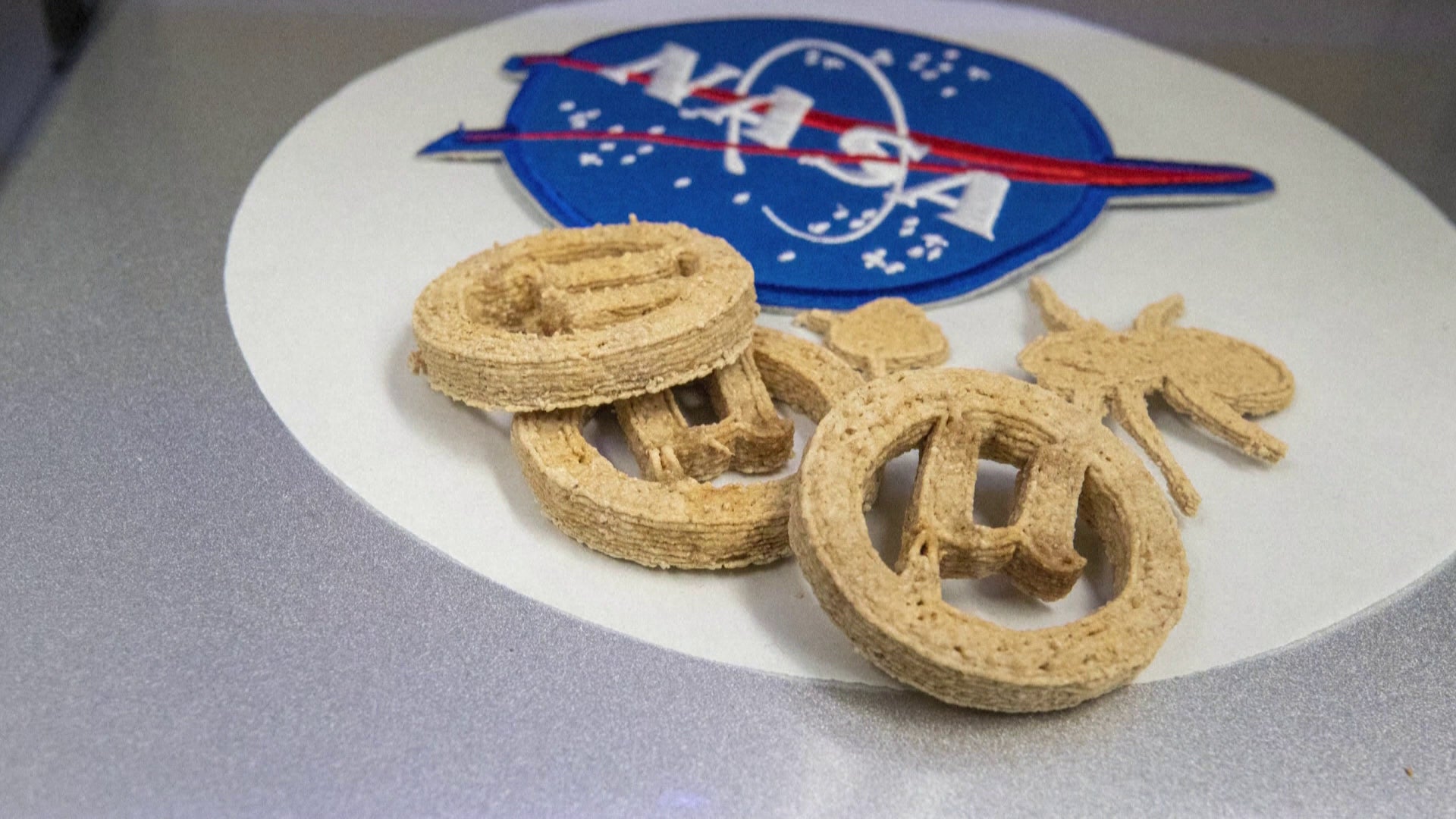
Researchers at Southern Illinois University (SIU) have engineered a method to transform plastic waste and agricultural debris into edible, protein-rich biscuits. Backed by NASA, the project targets a critical goal: providing sustainable nutrition for long-duration space missions and disaster zones on Earth.
From Soda Bottles to Sustenance
The Biology of Plastic Upcycling
Led by associate professor Lahiru Jayakody, the team uses polyethylene terephthalate (PET)—the common plastic found in water and soda bottles—as a primary carbon source. By applying water and oxygen at high temperatures, the researchers break down these solids into a format that yeast can metabolize.
The study utilizes several yeast strains, including Saccharomyces boulardii, S. cerevisiae, and Rhodosporidium toruloides. These microbes function as biological micro-factories, turning waste into proteins, vitamins, and aromatic molecules. Once the yeast completes the conversion, the resulting material is blended with starch, fibers, and a sweetener. A 3D printer then processes the final mixture into biscuits.
Solving the Carbon Equation
The initiative aims to solve the logistical bottleneck of long-term space travel, where supplies are strictly limited. By closing the loop on consumables, the process creates a circular system for recycling waste into sustenance.

Because plastic and food are both made of carbon.”
Addressing Global Food Insecurity
The technology offers potential benefits far beyond the vacuum of space. With global food demand expected to climb significantly by 2050, Jayakody pointed out that a portion of the world’s population could face food insecurity. The team presented these findings at the American Chemical Society’s symposium, “Undergraduate and Graduate Research in Biochemistry and Chemical Biology.”
Refining the Experimental Phase
While the conversion of PET into edible components has succeeded in the lab, the process remains experimental. The researchers are working to replace the harsh chemical solvents used in traditional upcycling with this more sustainable biological approach. The SIU team is now focused on refining yeast efficiency and scaling the technology for practical use. The research continues under NASA-supported frameworks.