Scientists Mistook This Spider for a Fungus-Until Now
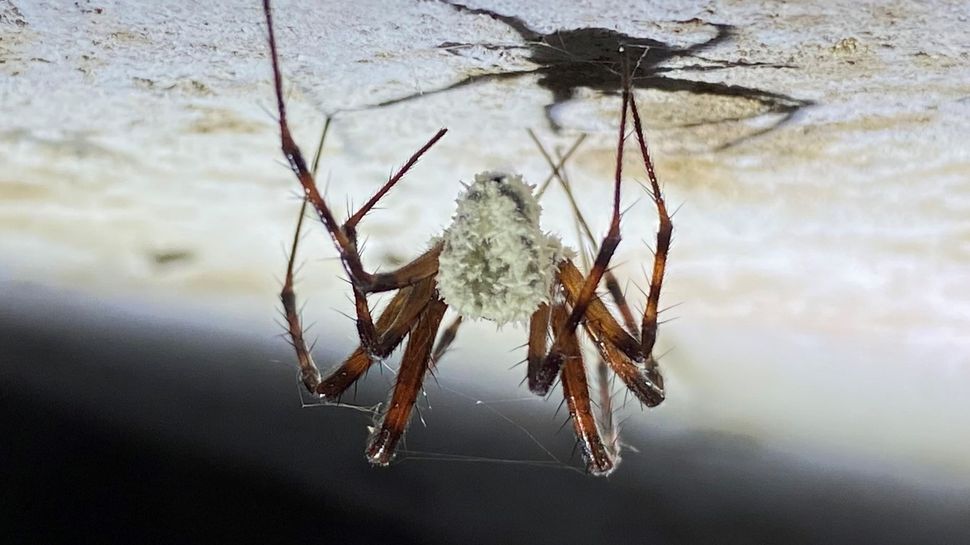
Biologists have identified a new species of spider in the Amazon rainforest that utilizes a specialized camouflage technique to mimic fungal growth, effectively deceiving both potential prey and human observers. The arachnid, documented by researchers, displays a white, fuzzy appearance that renders it nearly indistinguishable from the mold colonies found on forest vegetation.
Discovery and Taxonomy

The spider was discovered during field research in the Amazon, where its unique physical characteristics initially led scientists to misidentify the creature as a common fungus. According to reports from *De Telegraaf*, even experienced researchers were unable to immediately distinguish the arachnid from the surrounding organic matter until closer inspection revealed the presence of legs and a distinct body structure.
The camouflage strategy is considered a form of aggressive mimicry. By blending into the environment, the spider avoids detection by both predators and insects that might otherwise be wary of a spider’s silhouette. The white, hair-like structures on its abdomen and thorax mimic the texture and color of fungal hyphae, providing a near-perfect visual match to the local forest floor or bark.
Evolutionary Advantages of Fungal Mimicry
While spiders are known for various forms of camouflage—including mimicking bird droppings, ants, or plant buds—the adaptation to resemble fungi is significantly rarer. The evolutionary advantage of this specific mimicry lies in the abundance of fungal growth in humid, tropical environments like the Amazon.
By adopting the appearance of a stationary, non-threatening organism, the spider reduces its risk of being targeted by birds or wasps that hunt by sight. Additionally, the mimicry allows the predator to remain undetected by small insects that may land on or near the “fungus,” providing the spider with an efficient hunting method that requires minimal movement.
Scientific Implications
The identification of this species highlights the ongoing cataloging of biodiversity within the Amazon basin. Researchers note that the spider’s ability to fool human experts serves as a reminder of the limitations of field identification in complex ecosystems.
The findings are currently undergoing further study to determine the spider’s exact classification within the taxonomic hierarchy. Scientists are now focused on mapping the range of the species and determining if this fungal mimicry is a localized adaptation or a broader trait shared by related arachnids in other tropical regions. No further field expeditions have been scheduled at this time to confirm the population density of the new species.