
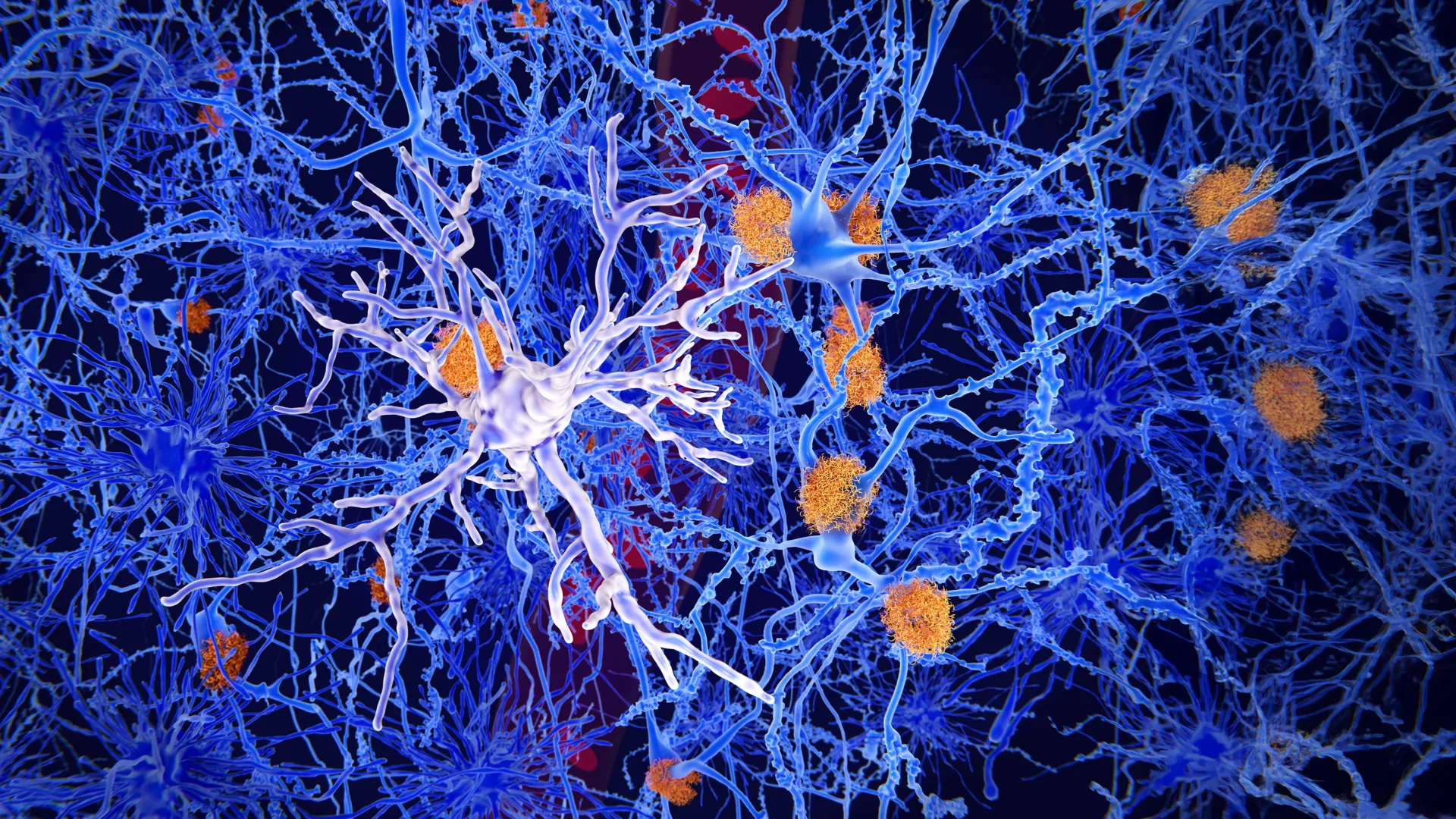
Summary of the Research on Protective Microglia in Alzheimer’s Disease:
This research, published in Nature, identifies a unique subset of microglia (brain immune cells) that appear to protect against Alzheimer’s disease. Here’s a breakdown of the key findings:
* Protective Microglia characteristics: These microglia have lower levels of PU.1 (a gene regulator) and higher expression of CD28 (an immune signaling receptor).
* How they Protect: They reduce brain inflammation, slow the buildup of amyloid plaques, and limit the spread of toxic tau proteins – all hallmarks of Alzheimer’s.
* Mechanism: Lowering PU.1 encourages microglia to express immune-regulating receptors, similar to those found in immune cells like T cells. CD28 is crucial for keeping these protective cells active.
* Evidence: The findings were supported by studies using mouse models of Alzheimer’s, human brain cells, and tissue samples.
* Genetic link: A genetic variant linked to lower Alzheimer’s risk was previously identified in the SPI1 gene (which produces PU.1), providing a genetic basis for these findings.
* Implications: This revelation suggests that targeting microglial activity with immune-based therapies could be a promising new approach to treating or preventing Alzheimer’s disease. It highlights the potential for microglia to be “brain protectors” rather than just destructive responders.
In essence, the research reveals a previously unknown protective function of microglia and identifies specific molecular targets (PU.1 and CD28) that could be leveraged for future Alzheimer’s treatments.
