
‘Universal’ Kidney Transplant Breakthrough Offers Hope for Thousands on Waiting Lists
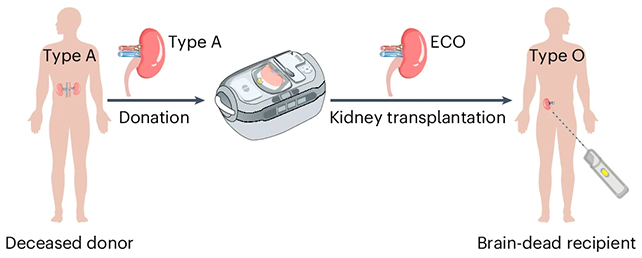
VANCOUVER, BC – In a landmark achievement, researchers have successfully engineered a human kidney capable of being transplanted into recipients of any blood type, potentially resolving a critical bottleneck in organ donation. The breakthrough, published in Nature Biomedical Engineering this week, involves enzymatically converting a type A kidney into a type O kidney – effectively making it “universal” for transplant.
Currently, over 90,000 people in the US alone are awaiting kidney transplants, with the majority needing type O kidneys, according to UNOS data. Eleven people die each day waiting for a suitable organ. This scarcity is due to the complex ABO blood group system, which dictates compatibility for transplantation.
The research team, led by scientists at the university of British columbia, utilized enzymes to remove the A antigens from the donor kidney, mimicking the antigen-free status of type O blood. “It’s like removing the red paint from a car and uncovering the neutral primer,” explains researcher Dr. Stephen Withers. “Once that’s done, the immune system no longer sees the organ as foreign.”
The team describes the enzymes as functioning like “scissors working on the molecular scale,” snipping off portions of the type A antigen chains. In a recent transplant of the enzyme-converted kidney (ECO) into a non-human recipient, the organ initially showed signs of reverting to type A characteristics by the third day, triggering an immune response.However, this response was less severe than typically observed, and indicators suggested the body was attempting to tolerate the kidney.
While challenges remain before human trials can begin,the development represents a significant step forward. Scientists are simultaneously exploring other avenues to address the organ shortage, including utilizing pig kidneys and developing novel antibodies to prevent organ rejection.
“This is what it looks like when years of basic science finally connect to patient care,” says Withers. ”Seeing our discoveries edge closer to real-world impact is what keeps us pushing forward.”
