
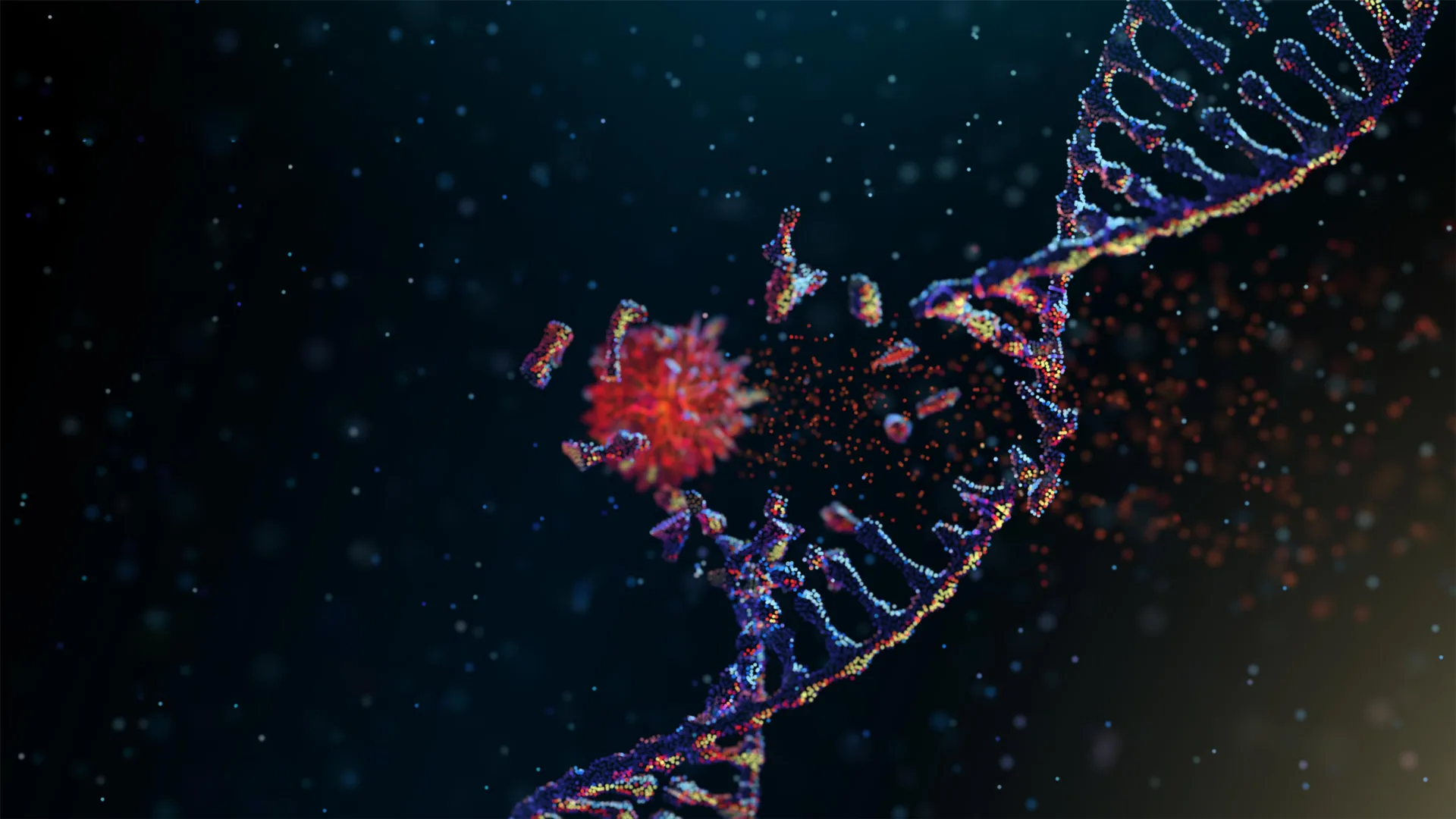
- Scientists have created a new way to predict how cancer cells evolve as they gain or lose entire chromosomes.
- These large chromosome changes can quickly reshape tumors, helping them grow, adapt to stress, and resist treatment.
- A new tool called ALFA-K reveals which chromosome changes help cancer cells thrive and which ones hold them back.
- Teh research shows how copying an entire genome can protect cancer cells from the damage caused by extreme chromosomal instability.
- The findings open the door to evolution-aware cancer treatments that anticipate how tumors change rather then reacting after resistance appears.
Understanding Cancer Evolution
Scientists at Moffitt Cancer Center have developed a new method to predict how cancer cells evolve as they gain or lose entire chromosomes. These important genetic shifts can empower tumors, accelerating growth, enhancing adaptation to stress, and fostering resistance to treatment.
Introducing ALFA-K
The research, published in nature Communications, introduces a computational tool called ALFA-K. This tool analyzes single-cell data over time to track how cancer cells transition through different chromosome combinations. By mapping these changes, ALFA-K identifies the chromosome patterns that drive tumor evolution.
Challenging Traditional Views of Cancer Evolution
The findings challenge the conventional belief that cancer evolution is a purely random process. The study demonstrates that tumors follow predictable patterns influenced by their chromosome makeup, evolutionary pressures, and the stress induced by treatment.This new understanding provides a pathway to anticipate how cancers will change and respond to therapy.
Genome Duplication as a Protective Mechanism
interestingly, the research reveals that duplicating an entire genome can actually protect cancer cells from the damage caused by extreme chromosomal instability. This suggests that, in some cases, whole-genome duplication isn’t a detrimental event, but a survival strategy for rapidly evolving cancer cells.
The Future of Cancer Treatment: Evolution-Aware Therapies
These discoveries pave the way for a new generation of cancer treatments. Rather of reacting to resistance after it develops,these “evolution-aware” therapies will anticipate how tumors are likely to change and proactively address those changes.
Key Takeaways
- ALFA-K is a new tool for predicting cancer cell evolution based on chromosome changes.
- Cancer evolution isn’t random; it follows measurable patterns.
- Whole-genome duplication can protect cancer cells from chromosomal instability.
- The research supports the advancement of evolution-aware cancer treatments.
Q&A with Noemi Andor, Ph.D., corresponding author and associate member in the integrated Mathematical Oncology Program
