
Indonesia Prioritizes Holistic School Improvements
Revitalization efforts go beyond construction to focus on adaptable, skilled graduates.
Indonesia’s School Revitalization program emphasizes comprehensive educational improvements, aiming to cultivate critical thinking and adaptability in students. The initiative moves past mere infrastructure upgrades to holistically enhance the national education system.
Mindset Shift Imperative
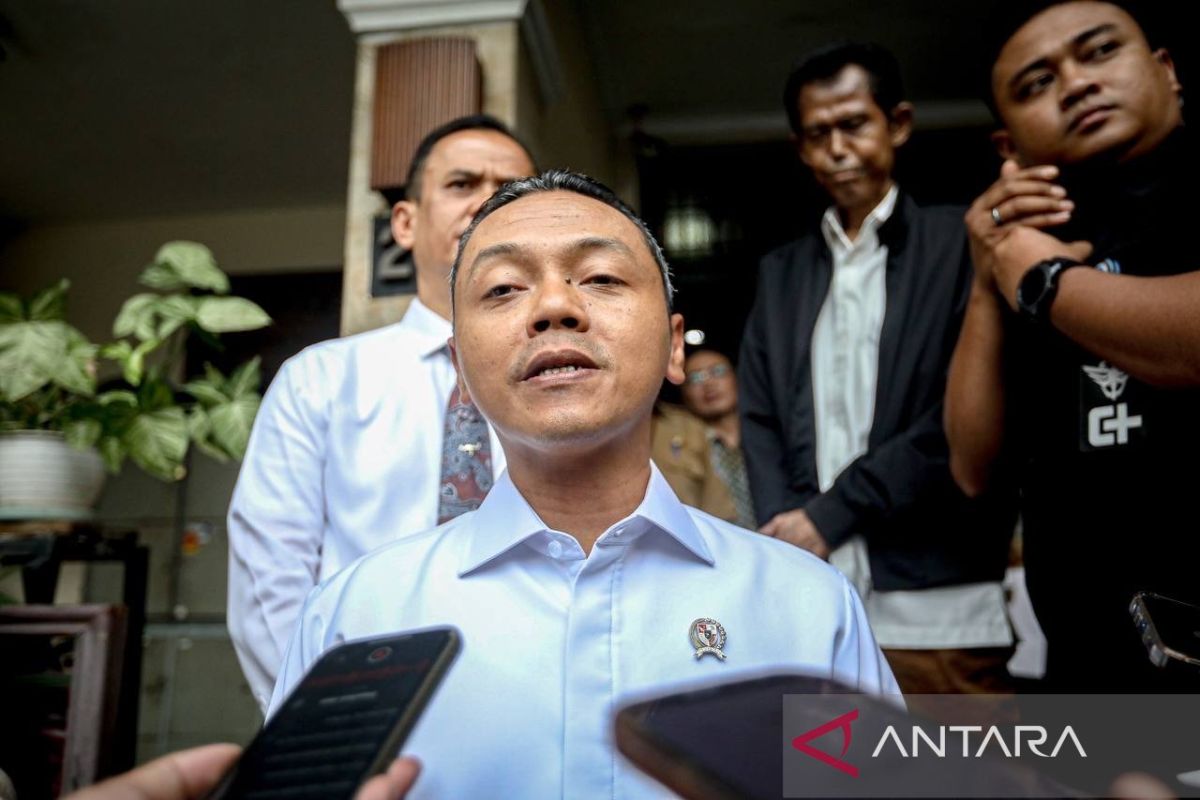
Deputy Minister of Primary and Secondary Education, Fajar Riza Ul Haq, stressed that infrastructure improvements should be paired with a change in mindset and a commitment to ongoing innovation. He made the comments Thursday in Jakarta.
According to Haq, “This is a vital part of our commitment to improving the education ecosystem.”
Preparing Students for Industry
It is the responsibility of educational institutions to equip students with adaptability, critical thinking, and multidisciplinary learning skills. The goal is to ensure graduates are ready to meet the challenges of the rapidly evolving industrial landscape, said Haq.
Values in the Digital Age
**Fajar** also emphasized that vocational high school graduates should uphold humanity, empathy, and solidarity. These values are especially important in the face of increasing artificial intelligence use, he noted.
National Program Details
The Revitalization of Quality Educational Facilities and Infrastructure program is a national priority, designed to fulfill the 4th Asta Cita mission. This mission focuses on strengthening human resource development, improving education quality and access, advancing science and technology, and fostering innovation in young people.
President’s Commitment
The revitalization program also highlights **President Prabowo Subianto’s** commitment to improving school facilities. Better infrastructure is intended to ensure students receive the best possible educational services and opportunities.
The ministry plans to begin revitalizing more than 10,000 schools across Indonesia starting in July 2025. The budget for this ambitious project is approximately Rp16.9 trillion, or about US$1.04 billion.
Quick-Win Program
**Abdul Mu’ti**, Minister of Primary and Secondary Education, considers the revitalization program a key element of the government’s Quick-Win Programs for the education sector. Such programs are designed for rapid, visible impact.
Addressing Learning Loss
A recent World Bank report indicated that learning poverty, defined as the percentage of children unable to read and understand a simple text by age 10, could increase to 70% in low- and middle-income countries due to the pandemic (World Bank, 2022). Indonesia’s focus on education revitalization can help counter such trends.
