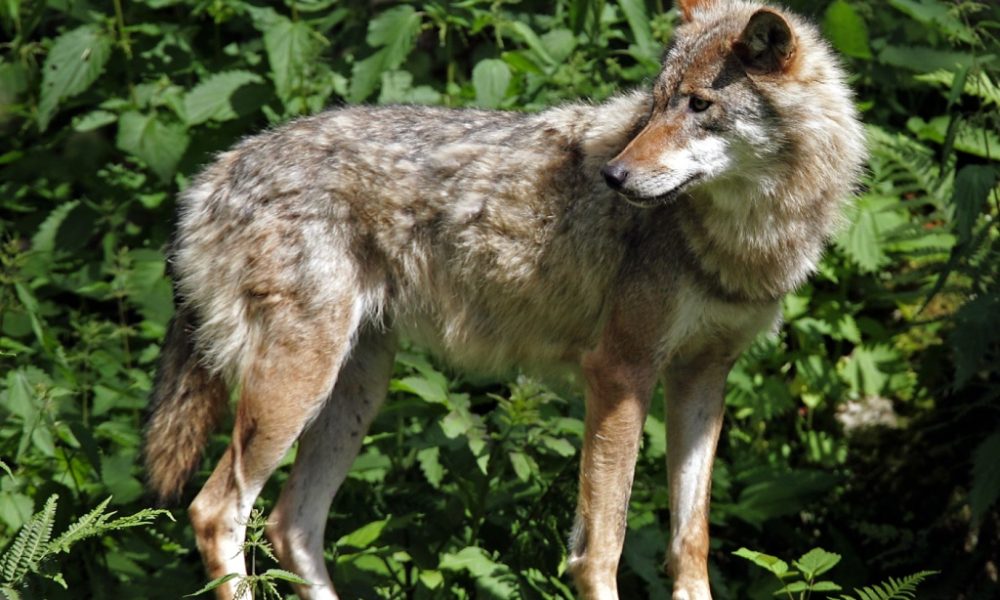
Scents Could Repel Wolves, UniNE Study Finds
Researchers at the University of Neuchâtel (UniNE) have determined that specific odors can effectively repel wolves, providing a potential non-lethal tool for livestock protection. The study identifies that olfactory deterrents can influence wolf behavior and discourage them from entering areas where livestock are present, according to reports from Radio Lac.
How do olfactory deterrents affect wolf behavior?
The UniNE study found that wolves can be repelled by certain scents, which act as a sensory barrier to the animals. By introducing specific odors into an environment, researchers observed a reduction in the likelihood of wolves entering the treated zones. This method relies on the wolf’s highly developed sense of smell to create a perceived risk or unpleasantness that outweighs the drive to hunt in that specific location.
Why is this research significant for livestock farmers?
Livestock predation by wolves remains a primary point of conflict between agricultural producers and wildlife conservationists. According to the UniNE findings, the use of scent-based repellents offers an alternative to lethal control methods or expensive physical fencing. Because wolves are opportunistic hunters, changing the olfactory profile of a pasture can disrupt their hunting patterns and protect sheep and cattle from attacks.
What are the limitations of scent-based repulsion?
While the study confirms that odors can repel wolves, the effectiveness of such deterrents often depends on the persistence of the scent and the wolf’s level of habituation. The research emphasizes that olfactory tools are most effective when integrated into a broader strategy of livestock protection rather than used as a standalone solution. Factors such as wind direction and weather conditions also influence how these odors disperse and how wolves perceive them.
The University of Neuchâtel continues to analyze the long-term efficacy of these deterrents to determine if wolves eventually ignore the scents once they realize there is no actual threat associated with the smell.