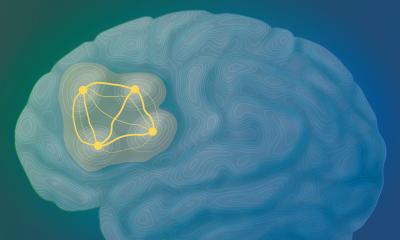
SCDORI deep learning maps glioblastoma gene regulatory networks
Glioblastoma kills more than 100,000 people each year worldwide, driven by tumour cells that shift dynamically between distinct molecular states to evade anti-cancer treatments. Two companion studies published in the journal Nature reveal that these cellular transitions follow predictable and repeatable paths governed by distinct gene regulatory networks.
- Glioblastoma cells transition between different states along predictable, stereotypical trajectories rather than shifting randomly.
- Researchers mapped gene regulation signatures across more than one million patient-derived glioblastoma cells using a deep learning method called scDORI.
- Overexpressing specific safeguard regulators, such as MYT1L, successfully reduced cellular plasticity and improved survival outcomes in mouse models.
Building the Glioblastoma Molecular Atlas
Individual tumour cells within glioblastoma differ dramatically, with some resembling nerve cells, others looking like stem cells, and some trapped in an aggressive, injury-like condition. This cellular plasticity allows the cancer to dodge standard therapies, as a treatment eliminating one cell state often leaves others untouched. The prevailing assumption across clinical research has long been that state-shifting is essentially random and impossible to predict. Challenging this view, Omer Bayraktar, group leader at the Wellcome Sanger Institute and a professor at the UCL Cancer Institute, led a team funded by a Wellcome Leap grant to examine DNA, epigenetic marks, and RNA in tumours from 12 patients, generating what researchers describe as the largest glioblastoma molecular atlas to date.
To analyze this complex dataset, Bayraktar’s team collaborated with Oliver Stegle’s group at EMBL Heidelberg and the German Cancer Research Center (DKFZ). Stegle and his colleagues developed a deep learning method called scDORI, which infers gene regulatory networks at single-cell resolution. By integrating single-cell data with spatial transcriptomics, the researchers discovered that different cell states occupy distinct spatial niches inside every single glioblastoma tumour studied. When growing patient-derived tumour cells as three-dimensional organoids that mirror brain tissue conditions, the team observed similar cell state trajectories, confirming these paths are a genuine feature of the disease's pathogenesis.

Steering Cellular Plasticity via Regulators
With predictable trajectories established, a second study led by Moritz Mall’s team at DKFZ investigated how these transitions are regulated. Examining gene regulation signatures in over one million patient-derived glioblastoma cells, the researchers identified a structured, hierarchical regulatory program governing cellular plasticity. Within this program, they uncovered specific safeguard regulators that normally arrest cells in low-plasticity states, preventing them from transitioning into more dangerous phenotypes.
To test whether these networks could be manipulated, the researchers overexpressed MYT1L—one of the identified safeguard regulators—in patient-derived brain tumour cells. This experimental intervention reduced cellular plasticity and lowered overall tumour malignancy. When these modified tumour cells were transplanted into mice, the subjects achieved better survival rates compared to control tumours. According to Moritz Mall, this approach successfully predicts major tumour cell state regulators and allows researchers to steer tumour cells into specific, less dangerous states by manipulating just a handful of targets.
Future Clinical Implications and Therapeutic Horizons
While these findings open new pathways for targeted oncology, the researchers note that direct clinical applications remain some way off. The discovery of these regulatory sequences and the application of deep learning tools like scDORI provide a deep molecular framework that researchers are now expanding to other cancers.
Disclaimer: The information provided in this article is for educational and scientific communication purposes only and does not constitute medical advice. Always consult with a qualified healthcare provider regarding any medical condition, diagnosis, or treatment plan.