Scaling U.S. Naval Power: The Case for Precise Mass and Modern Fleet Design
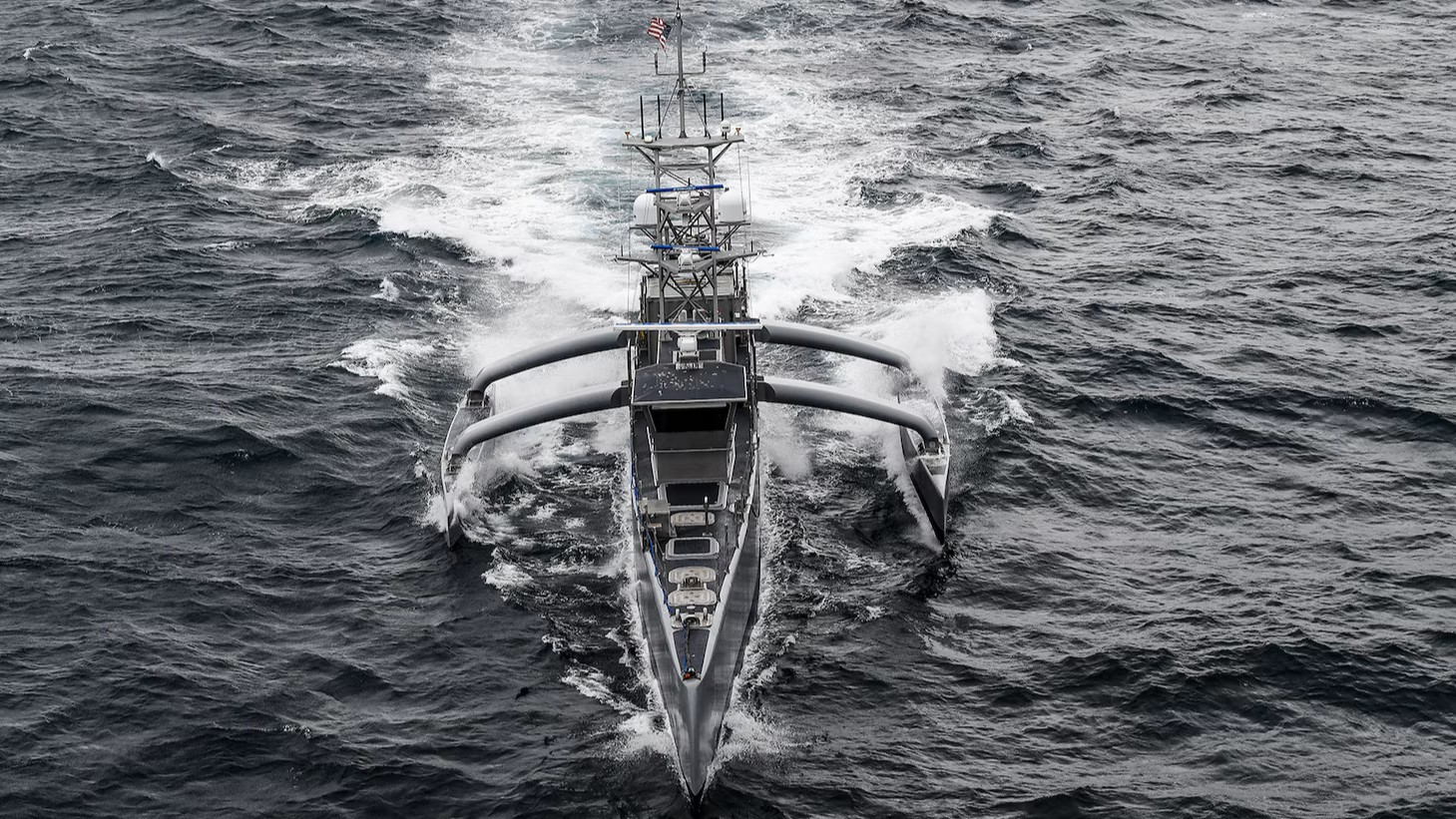
As of May 21, 2026, the United States Navy faces a critical strategic inflection point: its traditional fleet of high-end, exquisite vessels is struggling to meet the demands of modern, sustained conflict. To maintain deterrence in the Indo-Pacific, the service must pivot toward “precise mass”—an approach prioritizing scalable, affordable uncrewed systems to overwhelm adversaries and preserve national security interests.
The current naval model is effectively a relic of a different era. For years, the prevailing philosophy emphasized building a smaller number of large, technologically dense ships. While these platforms are undeniably powerful, they are increasingly vulnerable and prohibitively expensive to replace. When a single vessel represents a decade of labor and billions in investment, its loss in a high-intensity engagement is not merely a tactical setback—it is a strategic catastrophe that the industrial base cannot quickly rectify.
Senator Roger Wicker, in observations made during 2024, succinctly diagnosed the malaise: the U.S. Approach to fleet design and ship construction is “too small and too old.” This assessment remains the defining challenge for the Department of Defense today.
The Arithmetic of Attrition
The ongoing conflict involving Iran has served as a brutal laboratory for this reality. High-end ships are being consumed in sustained operations at a rate that the current logistics chain was never designed to support. Munitions inventories are thinning, and the lead times for replacing complex, “exquisite” weaponry stretch into years. This creates a dangerous “readiness gap.”

If the Navy were to face a peer competitor like China, these constraints would shift from a logistical nuisance to a catastrophic failure of deterrence. The math is simple: if your adversary can produce low-cost systems at scale while you are limited to a handful of high-cost platforms, you will eventually lose the war of attrition, regardless of the individual superiority of your ships.
For the defense industrial base, this shift toward “precise mass” represents a radical change in procurement. Companies that previously focused on singular, massive capital projects are now being forced to pivot toward modular, rapid-production manufacturing. For businesses navigating these shifting requirements, finding the right government contracting consultants is no longer a luxury. it is a prerequisite for survival in a volatile defense economy.
Infrastructure and the Regional Burden
This transition is not limited to the halls of the Pentagon; it has profound implications for regional economies and municipal infrastructure. Shipyards in areas like Norfolk, San Diego, and Puget Sound are currently being tasked with retrofitting existing fleets while simultaneously attempting to integrate new, uncrewed systems.

Local jurisdictions are feeling the strain as they attempt to balance the needs of military contractors with the requirements of civilian urban development. The pressure on local utility grids and transportation networks to support these massive, accelerated industrial projects is immense.
“The integration of uncrewed systems into our existing port infrastructure is not just a technological challenge; it is a municipal one. We are seeing a direct impact on local zoning and safety regulations as we attempt to scale these operations at a pace we haven’t seen since the mid-20th century.” — Regional Infrastructure Specialist
As these communities adapt, many are turning to civil engineering firms to manage the complex logistics of upgrading port facilities to accommodate both traditional and autonomous naval assets. Similarly, commercial litigation attorneys are increasingly involved as local businesses and defense contractors navigate the complex regulatory hurdles of rapid industrial expansion.
The Path to Precise Mass
Moving toward “precise mass” requires more than just a change in buying habits. It requires a fundamental shift in how the Navy envisions the “fleet.” The Navy has launched several initiatives to field affordable uncrewed systems at greater scale, but the institutional inertia remains significant. The Department of the Navy must reconcile its legacy procurement processes with the realities of modern, decentralized warfare.

The goal is a hybrid fleet where high-end ships act as command-and-control nodes for a swarm of smaller, expendable, and highly capable uncrewed aerial and maritime vehicles. This strategy forces an adversary to expend expensive, limited missiles on low-cost targets, effectively flipping the economic logic of the battlefield.
However, this strategy relies on a robust supply chain that can manufacture these systems at the speed of the current threat environment. The vulnerability of global supply chains, as highlighted by the U.S. Department of Defense, remains the primary bottleneck for this transition.
A Strategic Imperative for the Future
The transition to “precise mass” is not an elective evolution; it is a forced adaptation to an increasingly dangerous global theater. The ability to field effective systems at scale will define which powers maintain influence in the coming decades and which will be left behind by the pace of technological change.

As the U.S. Continues to recalibrate its naval strategy, the alignment of public-sector goals with private-sector capabilities remains the most critical variable. For organizations caught in this transition, the landscape is complex and fraught with regulatory risk. Whether you are a defense contractor seeking to align with new procurement standards or a regional entity managing the infrastructure impact of these shifts, the complexity of modern naval requirements demands expert guidance.
The era of resting on the assumption of technological dominance is over. We have entered the era of precise mass, and the speed at which we embrace it will determine the security of the next generation. For those seeking to navigate this transition, connecting with verified strategic advisory services is the only way to ensure your organization remains resilient in a world that is rapidly scaling the tools of war.