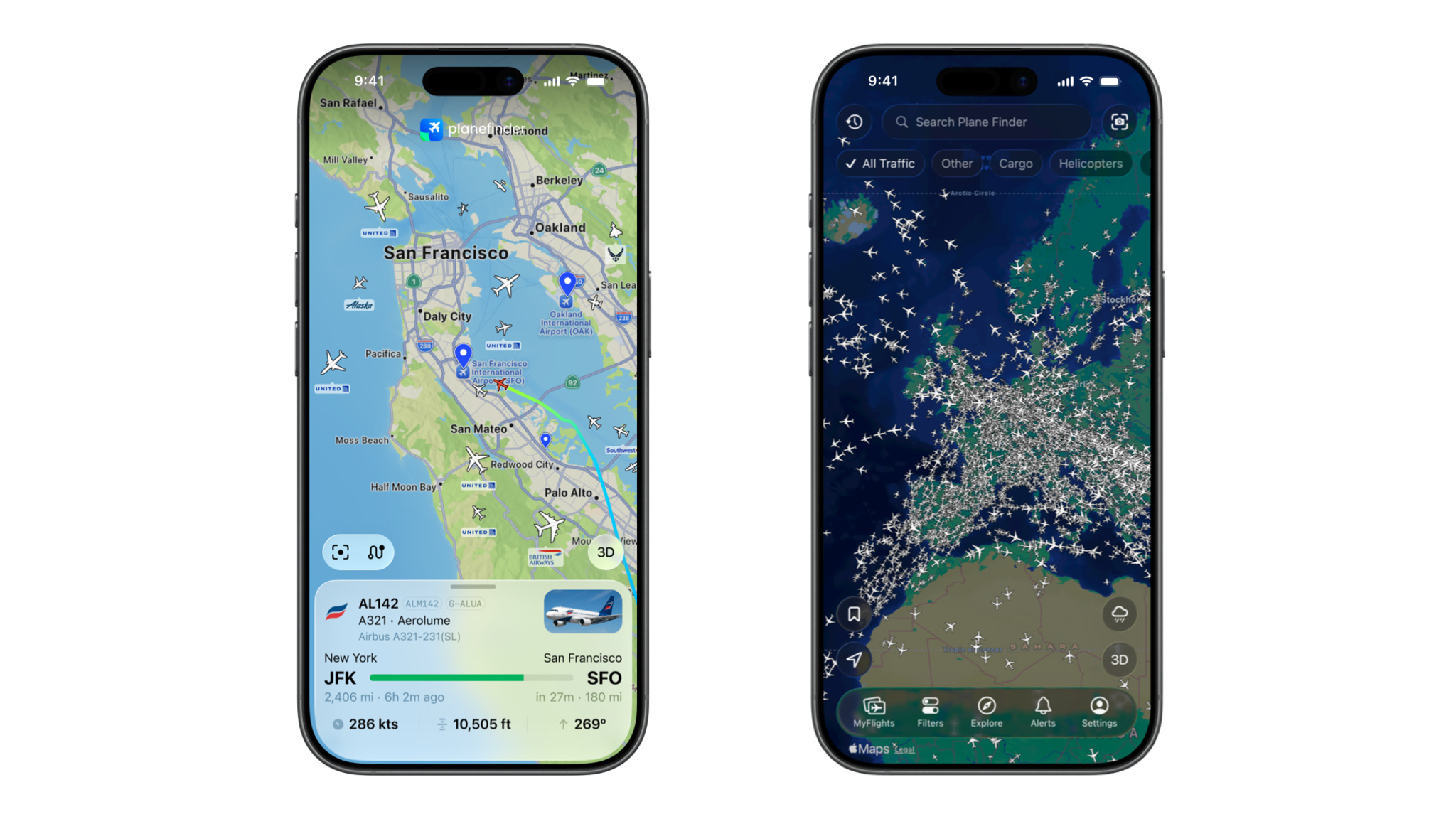
Scaling Plane Finder: How a Small Team Built a Global Flight Tracking Network with Apple Technologies
Plane Finder Scaling Strategy: Native Apple Ecosystem and Hardware Integration
Plane Finder operates a global flight-tracking business and physical hardware network powered by a team of just eight people, according to company founders Jodie and Lee Armstrong. Launched originally in 2009 following the 2007 debut of the iPhone, the UK-based platform scaled over the years without adding headcount, external vendors, or architectural complexity by maintaining a strict focus on native Apple technologies, first-party tools, and proprietary receiver hardware.
The Tech TL;DR:
- Architectural Approach: Built entirely on native Apple frameworks like MapKit, Metal, and StoreKit 2, avoiding cross-platform abstractions or third-party middleware.
- Operational Footprint: Global flight tracking powered by an in-house network of proprietary physical receivers and antennas manufactured and managed by an eight-person team.
- Roadmap Execution: Ongoing UI modernization prioritizing Liquid Glass integration and upcoming code-named projects like “Plane Finder Double Glazed,” alongside exploration of foundation models and machine learning.
Native Architecture and Framework Selection
According to Lee Armstrong, the technical foundation of Plane Finder rests entirely on Apple’s native developer ecosystem. Rather than relying on cross-platform frameworks or third-party abstraction layers that can introduce latency, memory overhead, or rendering bottlenecks, the application utilizes MapKit for core map-rendering tasks and Metal to drive its resource-intensive 3D globe view. For subscription management and promotional monetization features, the team relies on StoreKit 2.
Hardware Infrastructure and Receiver Deployment
Unlike many consumer mapping services that license positional data via commercial data vendors, Plane Finder designs, manufactures, and operates its own global network of physical flight-tracking receivers and antennas, as noted by Jodie and Lee Armstrong. When users in regions like Scotland, Sweden, the United States, Africa, and Asia initially downloaded the application and reported coverage gaps, the founders responded by shipping physical hardware units directly to volunteers.
Today, this symbiotic feedback loop utilizes the application’s audience to strategically deploy receivers and expand geographic coverage.
Implementation: Handling Data Streams and API Parsing
import Foundation

struct AircraftTelemetry: Codable, Identifiable {
    let id: String
    let callsign: String
    let latitude: Double
    let longitude: Double
    let altitude: Int
}

class FlightDataService {
    private let session = URLSession.shared

    func fetchLivePlanes(from endpoint: URL) async throws -> [AircraftTelemetry] {
        let (data, response) = try await session.data(from: endpoint)

        guard let httpResponse = response as-is HTTPURLResponse,
              httpResponse.statusCode == 200 else {
            throw URLError(.badServerResponse)
        }

        let decoder = JSONDecoder()
        return try decoder.decode([AircraftTelemetry].self, from: data)
    }
}
Future Iterations: Liquid Glass and Machine Learning
Looking toward future production cycles, Jodie Armstrong stated that the company has not finished its Liquid Glass adoption journey. The development team is currently working on an internal project code-named “Plane Finder Double Glazed,” which encompasses wider user interface modifications held back during initial rollouts. Additionally, the team is evaluating how foundation models and machine learning can be integrated into the data-processing pipeline.